Ringgit eyes RM4 comeback by year-end
KUALA LUMPUR: The ringgit is gaining momentum towards the psychologically important RM4 level against the US dollar, buoyed by Malaysia's electronics boom, foreign capital inflows and growing demand for the local currency.
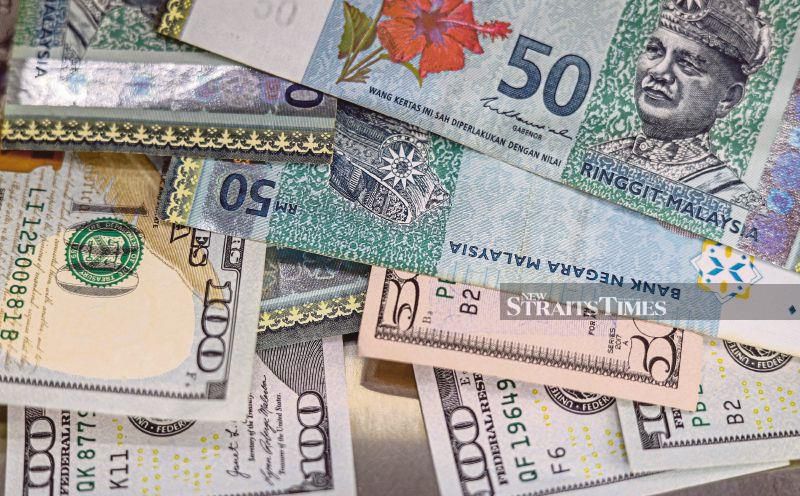
KUALA LUMPUR: The Malaysian ringgit is edging closer to the RM4 mark against the US dollar, propelled by the nation's burgeoning electronics sector, foreign capital inflows, and robust demand for the local currency. Analysts predict the ringgit could climb further by year-end, provided US monetary policy stays favorable and Malaysia's economic fundamentals remain strong.
CIMB Securities anticipates the ringgit to fluctuate between RM4 and RM4.10 against the greenback by year-end, with a preference for the stronger end of the range. The currency began 2026 at RM4.05 versus the US dollar and peaked at around RM3.89 in late February, its highest level in eight years, before slipping to a yearly low of RM4.15 on June 22.
The mid-year drop was partly attributed to expectations of sustained high US interest rates and Middle East tensions, though the ringgit has since rebounded to approximately RM4.06. Stephen Innes of SPI Asset Management attributes the ringgit's gains to more than mere US dollar weakness, citing Malaysia's role in the AI-driven semiconductor boom, stronger economic data, and support from an appreciating Chinese yuan.
Economist Doris Liew highlights stronger economic growth, investment inflows, and recovering electronics exports as factors boosting investor confidence. Nonetheless, Liew warns that the ringgit remains susceptible to US monetary policy and global capital flows, meaning its recovery depends on external conditions. Malaysia's electronics exports, responsible for nearly half of the country's merchandise exports, are expected to increase 35% year-on-year in the fourth quarter of 2026, with growth projected to slow to 10.2% in 2027.
This sector's robust performance is expected to bolster the ringgit's strength in the coming quarters.
Written by urgent.news from New Straits Times's reporting — not their text. Machine-written — may contain errors; check the original before relying on it.