Return of Spanish right risks reigniting Catalan separatist flame
The independence movement has been largely dormant since 2017-2018, but could revive if the People's Party and Vox win the election on Nov. 29.
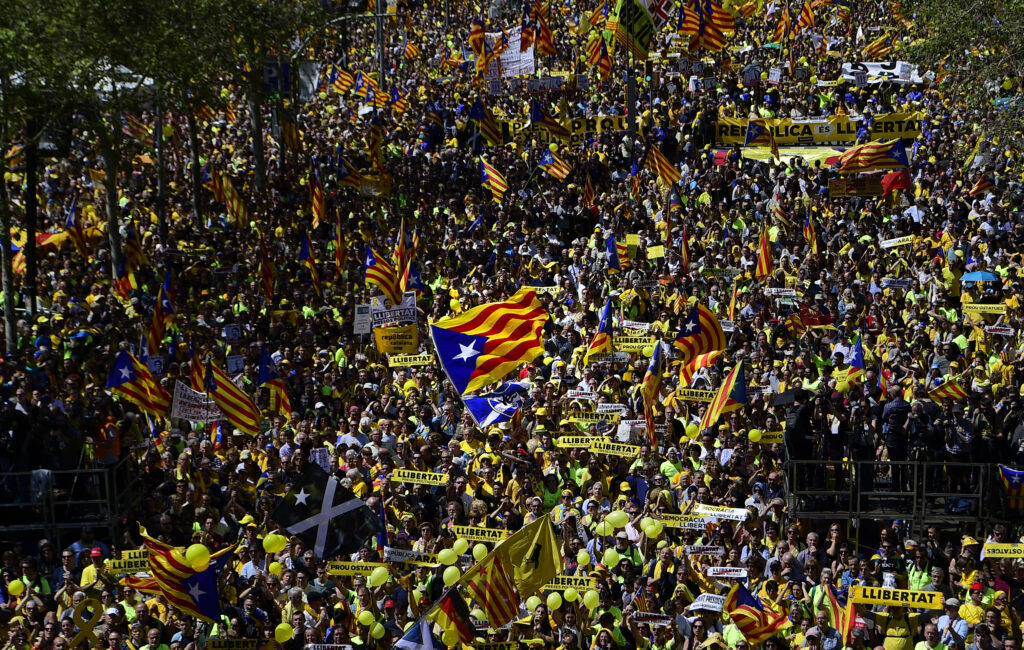
Spain's upcoming election on November 29 could reignite the Catalan separatist movement, according to political analysts. The election pits the conservative People's Party (PP) and far-right Vox against Prime Minister Pedro Sánchez's Socialist Party. If either party gains power, their hardline stance on Catalonia could spark renewed tension across the region of 8 million people.
Francesc-Marc Álvaro, a Senate candidate for the Catalan Republican Left (ERC), warned that the PP and Vox would "throw gasoline on Catalan society" by cutting back self-governing powers. ERC lawmaker Míriam Nogueras echoed this sentiment, stating that any Spanish government would treat Catalonia the same, regardless of political color.
Catalonia, Spain's second-largest economy, stands to suffer economically if independence returns. The region contributes 19% of the national economy and 16.5% of the population. Sánchez's predecessor, Pedro Sánchez, negotiated with pro-independence parties, but the movement has since fragmented. While 43% of Catalans still favor independence, housing, immigration, and crime have become more pressing issues.
The Spanish right, led by PP leader Alberto Núñez Feijóo, has not taken a confrontational stance on Catalonia yet. However, they have criticized Sánchez's willingness to engage with separatist parties. Vox, led by Santiago Abascal, has also softened its rhetoric but remains committed to curtailing Catalan identity and resisting any attempts at decentralization.
Written by urgent.news from Politico EU's reporting — not their text. Machine-written — may contain errors; check the original before relying on it.