Qantas lay-offs show tourism industry grappling with influence of AI
Between the pandemic, fuel prices and the rise of AI, the tourism industry has had little time to catch its breath lately — and we're starting to see the results.
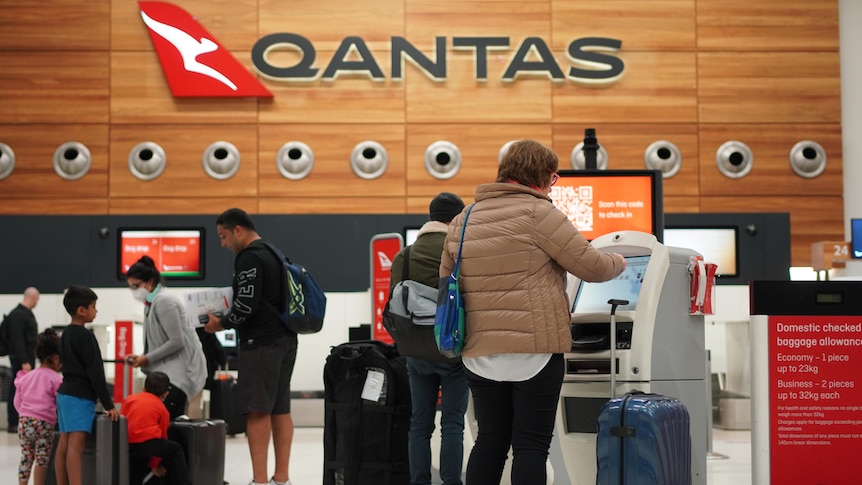
Qantas, Australia's national carrier, is undergoing significant changes as it seeks to modernize its operations and keep pace with the rapidly evolving tourism industry. The airline plans to lay off 850 corporate employees, including those in back-office roles in Sydney, primarily for finance, human resources, and marketing positions. The changes are intended to simplify operations and accelerate the use of artificial intelligence, a trend that is becoming increasingly prevalent in the sector.
However, the Australian Services Union has criticized Qantas' decision, arguing that the airline is using AI as a pretext for offshoring jobs to India. This move reflects broader industry pressures faced by Qantas, which received $2.7 billion in taxpayer subsidies from the Morrison government during the COVID-19 pandemic to keep tourism afloat.
Despite receiving substantial financial support, the airline continues to make substantial profits, generating nearly $1.3 billion in full-year profits in August. Nonetheless, the airline is grappling with rising fuel costs, higher wages, insurance premiums, and airport charges, all of which contribute to increased operational expenses.
Additionally, Qantas is facing mounting pressure from passengers, as household budgets are strained, and travelers are becoming more selective about their spending. Research indicates that only 54% of Australians plan to take a mid-year break in 2026, down from 74% in 2024. Domestic overnight trips also declined by 2% in the June quarter compared to the previous year, and overall domestic tourism has seen a decrease in both the number of trips and nights spent away.
These challenges are particularly significant for regional tourism destinations that rely heavily on Qantas' extensive network of flights to remote and regional towns and centers. Qantas operates 102 routes to 62 regional locations, transporting over nine million passengers annually. The recent cancellation of the Adelaide–Mount Gambier route and the suspension of flights between Melbourne and Alice Springs, along with temporary suspensions to Hamilton Island and Coffs Harbour, highlight the significant impact these decisions can have on local tourism businesses.
The loss of flights to destinations like Cairns, Longreach, and Mount Isa, coupled with higher airfares due to increasing fuel costs, raises concerns about accessibility and affordability for travelers. As AI technology becomes more integrated into the travel experience, questions arise about the balance between efficiency and customer service.
While AI is increasingly utilized by both travelers and businesses for planning and content creation, concerns persist regarding the potential loss of personal interaction and the overall travel experience.
In conclusion, Qantas' strategic decisions to modernize its operations and incorporate AI into its business model reflect broader industry challenges. While the airline remains profitable, the pressures from rising costs, declining demand, and changing traveler preferences necessitate a careful balance between technological advancement and maintaining a viable tourism infrastructure.
The industry's ability to adapt and navigate these challenges will be crucial in ensuring that Australian destinations remain accessible and economically viable for both domestic and international travelers.
Written by urgent.news from ABC News AU's reporting — not their text. Machine-written — may contain errors; check the original before relying on it.