Passports 'redundant' in five years, suggests Dubai Airports chief
Paper passports could be “redundant within five years” due to biometric technology, Paul Griffiths , chief executive of Dubai Airports, has said. “I know many travellers cherish collecting travel stamps, but from a technological perspective, the idea of carrying a physical book in order to fly is outdated,” Mr Griffiths wrote in a post on LinkedIn. “We have the capability to verify identity…
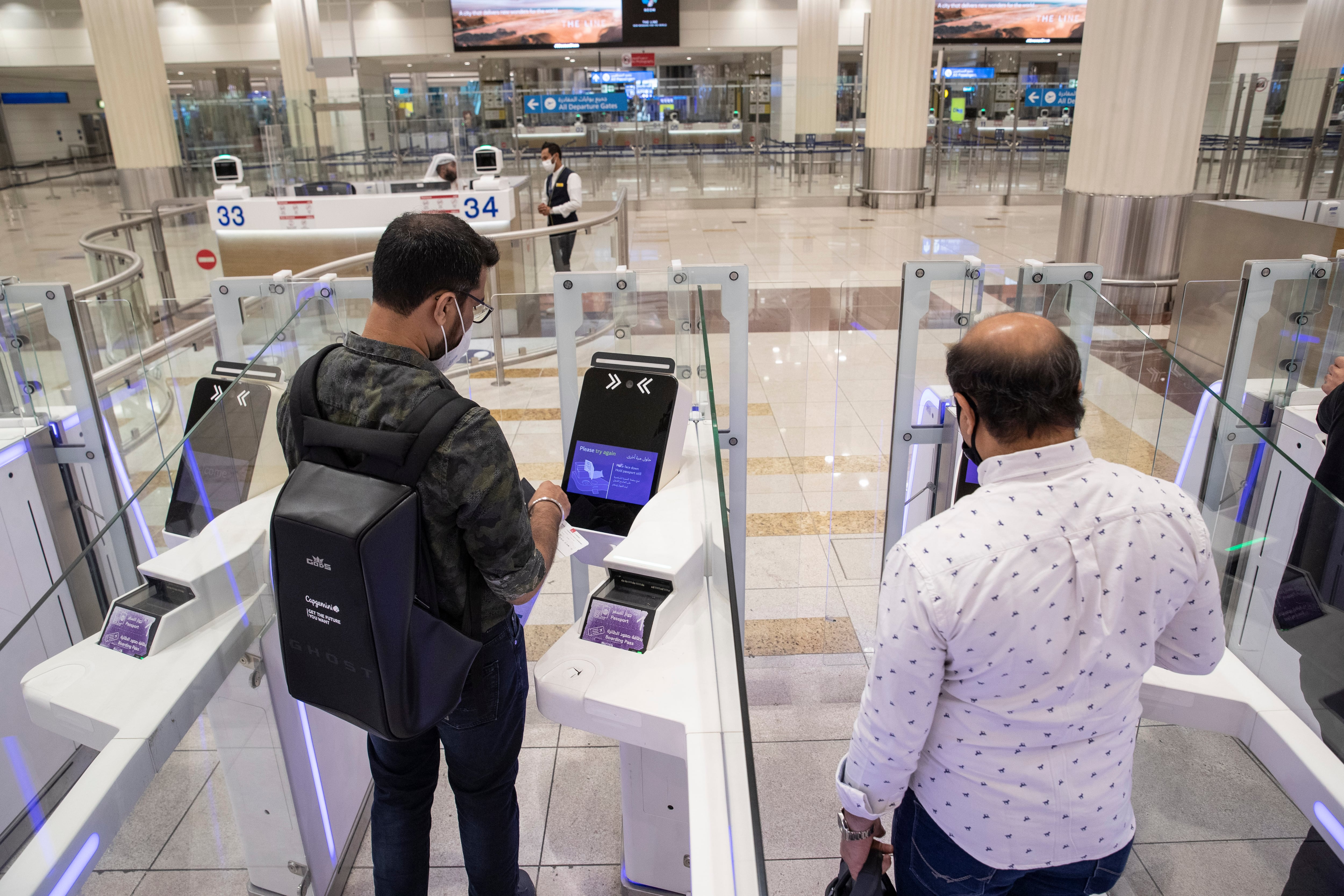
In a post on LinkedIn, Paul Griffiths, CEO of Dubai Airports, has suggested that paper passports could become redundant in as little as five years due to advancements in biometric technology. Griffiths believes that the current practice of carrying physical passports for air travel is outdated and that biometric verification could replace the need for physical documents throughout the journey.
He emphasizes that while many travelers enjoy collecting travel stamps, the technology already exists to verify identities through biometrics. However, Griffiths acknowledges that widespread adoption of this technology depends on collaboration between governments, airlines, and airports to establish common standards for recognizing digital identities across borders.
Dubai has already taken steps to reduce the reliance on physical passports. The General Directorate of Residency and Foreigners Affairs (GDRFA) Dubai recently launched Click and Travel, a service that enables immigration officers to process entry and departure procedures using mobile devices and biometrics, completing the process in as little as 12 seconds.
During a trial between May and August, the system processed 31,373 passengers. Click and Travel is currently available to UAE citizens, residents, and visitors departing the country, with plans to expand eligibility for arrivals.
Emirates has also joined the trend by investing in facial recognition technology, installing over 200 biometric cameras in Terminal 3 for check-in, immigration, lounges, and boarding gates. Registered passengers can use their face instead of presenting a passport or boarding pass at these points. Griffiths highlights that while these advancements reduce document checks within airports, leaving a passport at home would still require authorities at the start and end points of a journey to recognize a traveler's digital identity.
He urges for greater urgency in adopting this technology, noting that countries will likely move at different speeds. Griffiths envisions a future where the same digital identity could be used for various aspects of travel, from border crossings to rental cars and hotel check-ins, ultimately allowing travelers to spend more time enjoying their trips instead of proving their identity.
Ultimately, the technology is available, and the speed of its implementation largely depends on the collective efforts of aviation and tourism stakeholders.
Written by urgent.news from The National Business's reporting — not their text. Machine-written — may contain errors; check the original before relying on it.