Oxford museum returns remains of 39 Naga people taken during British colonial rule in India
OXFORD, Nov 10 — An Oxford University museum yesterday returned the remains of 39 people taken during Britain&rsqu...
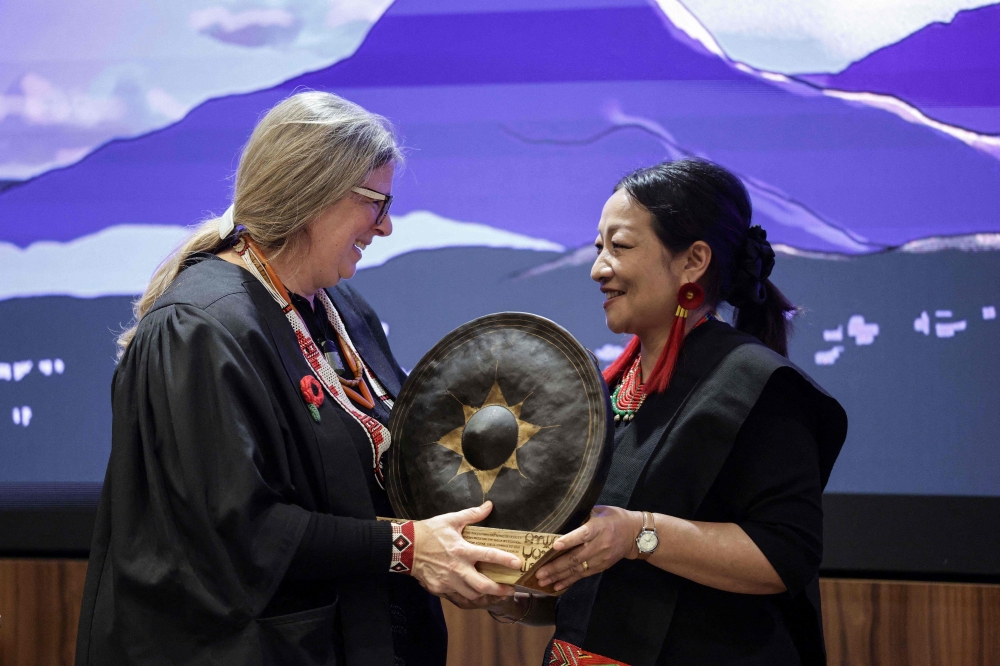
OXFORD, Nov 10 - The Pitt Rivers Museum at Oxford University has returned the remains of 39 individuals to a Naga community that was once part of British colonial rule in India. The ceremony took place at the museum on November 9, attended by tribal leaders from the northeastern Indian state of Nagaland. The museum director, Laura Van Broekhoven, called the handover a "historic moment".
The Naga delegation, which consisted of almost 30 people, travelled to Britain to participate in the ceremony. The remains, primarily human skulls, were part of the museum's largest collection of Naga culture, which includes over 6,000 objects. The handover comes as Western museums increasingly reassess their collection of human remains and return them to their communities of origin.
The Pitt Rivers Museum, founded in the 19th century, has returned human remains to Indigenous communities in Australia, New Zealand, and the United States. The museum had already removed all human remains from display in 2020, and currently has around 2,700 remains in storage. The remains were collected between 1910 and 1940 by two colonial administrators who were also anthropologists.
The Naga people once practiced headhunting, but also kept the heads of their own chiefs. The tribal leaders plan to bury the remains in a joint memorial in a park.
Written by urgent.news from Malay Mail's reporting — not their text. Machine-written — may contain errors; check the original before relying on it.
Also reported by 1 other outlet
- Oxford museum makes ‘historic’ return of Naga human remains freemalaysiatoday.com