Ocean Traffic Returns to Near-Normal through Red Sea
Almost all major carriers have resumed Asia-Europe routes through the Red Sea, and traffic via the Suez Canal is back to around...
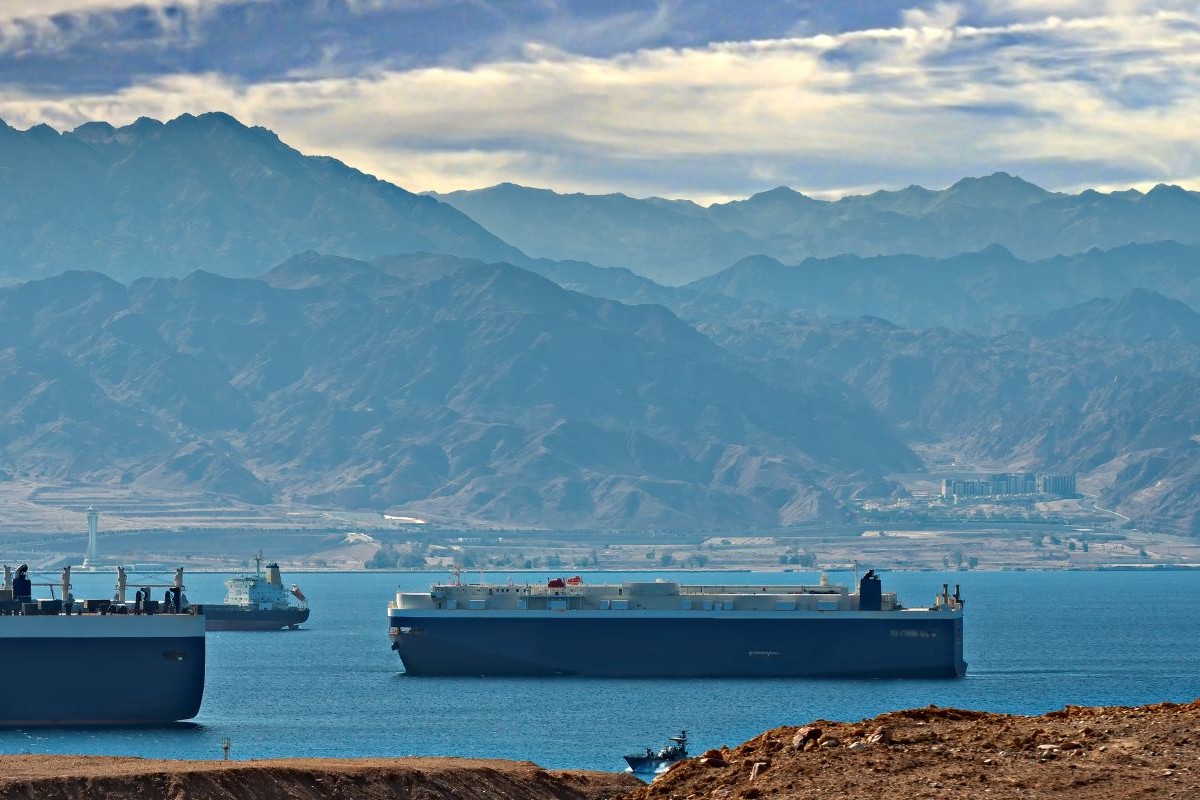
By mid-November, most major shipping lines had returned to their traditional Asia-Europe routes via the Red Sea, with traffic at the Suez Canal hovering around two-thirds of pre-conflict volumes, according to global shipping analytics platform Freightos. Judah Levine, Freightos' chief researcher, described the comeback as "a significant return" in a November 10 market update.
Levine anticipates that full ocean-going traffic will resume on the Asia-Europe route by early 2026. However, one carrier, Israel's Zim, avoids the Red Sea altogether due to its partnership with MSC. Despite the return to shorter, more efficient routes, there's no immediate port congestion, as the transition has been gradual, according to Levine.
Although the route remains hazardous due to ongoing threats from Houthi rebels, the Houthis seem to have shifted their focus away from shipping, towards their conflict with Saudi Arabia, Levine suggests. This shift appears to be reinforced by the rebels' effective communication with other countries, assuring them of their no longer targeting ships and promising safe passage through the Red Sea.
The last recorded attack on a cargo vessel off Yemen's coast was several weeks ago, fueling speculation that maritime carriers are driven by high fuel costs and port congestion. Going around the Cape of Good Hope is significantly more expensive and causes delays due to congestion, Levine points out. In recent months, Houthis have expanded their attacks to missile and drone strikes deep within Saudi Arabia, targeting Riyadh, including the airport.
Written by urgent.news from Supply Chain Brain's reporting — not their text. Machine-written — may contain errors; check the original before relying on it.