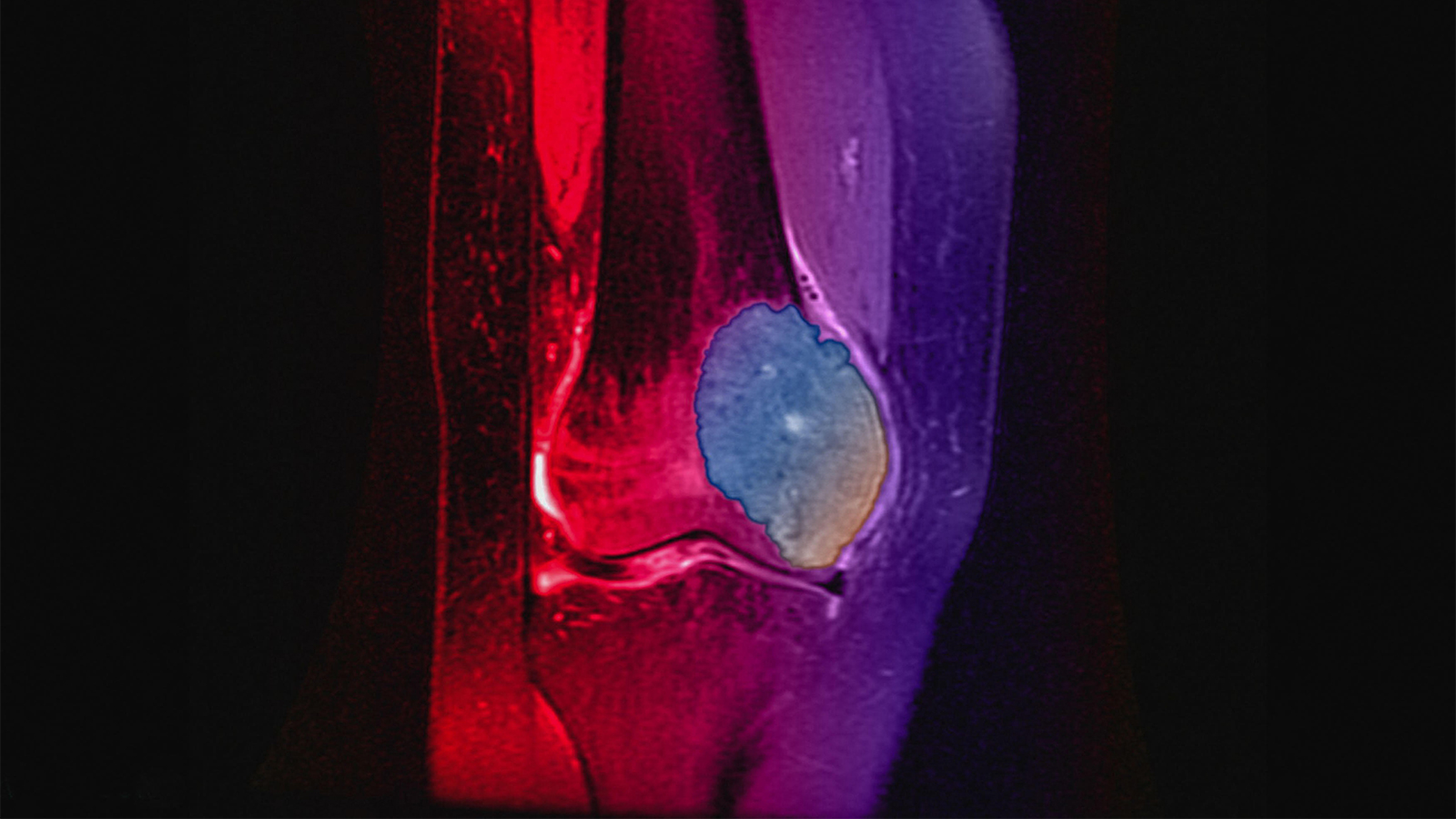
New MRI scan 'color codes' treatment-resistant cancer cells, sparing some patients from aggressive treatment
Scientists are developing a new MRI-based test that could spare thousands of cancer patients from aggressive radiotherapy treatment.

A groundbreaking MRI-based test is in development that could spare thousands of cancer patients from undergoing aggressive radiotherapy. Known as HYPOXiMAP, this technology color-codes low-oxygen, treatment-resistant cancer tissue on scans, helping clinicians identify patients with HPV-positive throat cancer who can safely receive lower radiation doses while minimizing long-term side effects.
Utilizing advanced MRI, HYPOXiMAP reveals hypoxic regions within tumors as vivid blue areas, while yellow indicates well-oxygenated regions. This real-time information will enable smart radiotherapy systems to automatically adjust treatment intensity, reducing the risk of significant side effects such as swallowing difficulties, dry mouth, taste changes, and persistent fatigue.
HPV-positive throat cancer cases in the U.K. have surged by 47% between 2013 and 2019, with around 70% of patients receiving radiotherapy. Despite its effectiveness, standard high-dose radiotherapy often results in long-term side effects for more than half of patients. Unlike specialized PET scans, HYPOXiMAP relies on standard MRI equipment found in hospitals across the NHS, making it a more accessible option for widespread clinical use.
The research team, comprising academics, clinicians, and industry partners, is working on refining the imaging process using artificial intelligence to enhance speed, accuracy, and consistency. The ultimate goal is to integrate this technology into clinical trials and routine care, potentially revolutionizing personalized radiotherapy treatment and improving patient outcomes.
Written by urgent.news from Medical Xpress's reporting — not their text. Machine-written — may contain errors; check the original before relying on it.