NASA Invites Media, Public to Join Voyager 1 One-Light Day Activities
Launched nearly 50 years ago in 1977, NASA’s Voyager 1 on Wednesday, Nov. 18 will have traveled one light-day from Earth, which is more than 16 billion miles (25.9 billion kilometers). Voyager 1 is the most distant human-made object, and any light from Earth would take 24 hours to reach the spacecraft. NASA will highlight […]
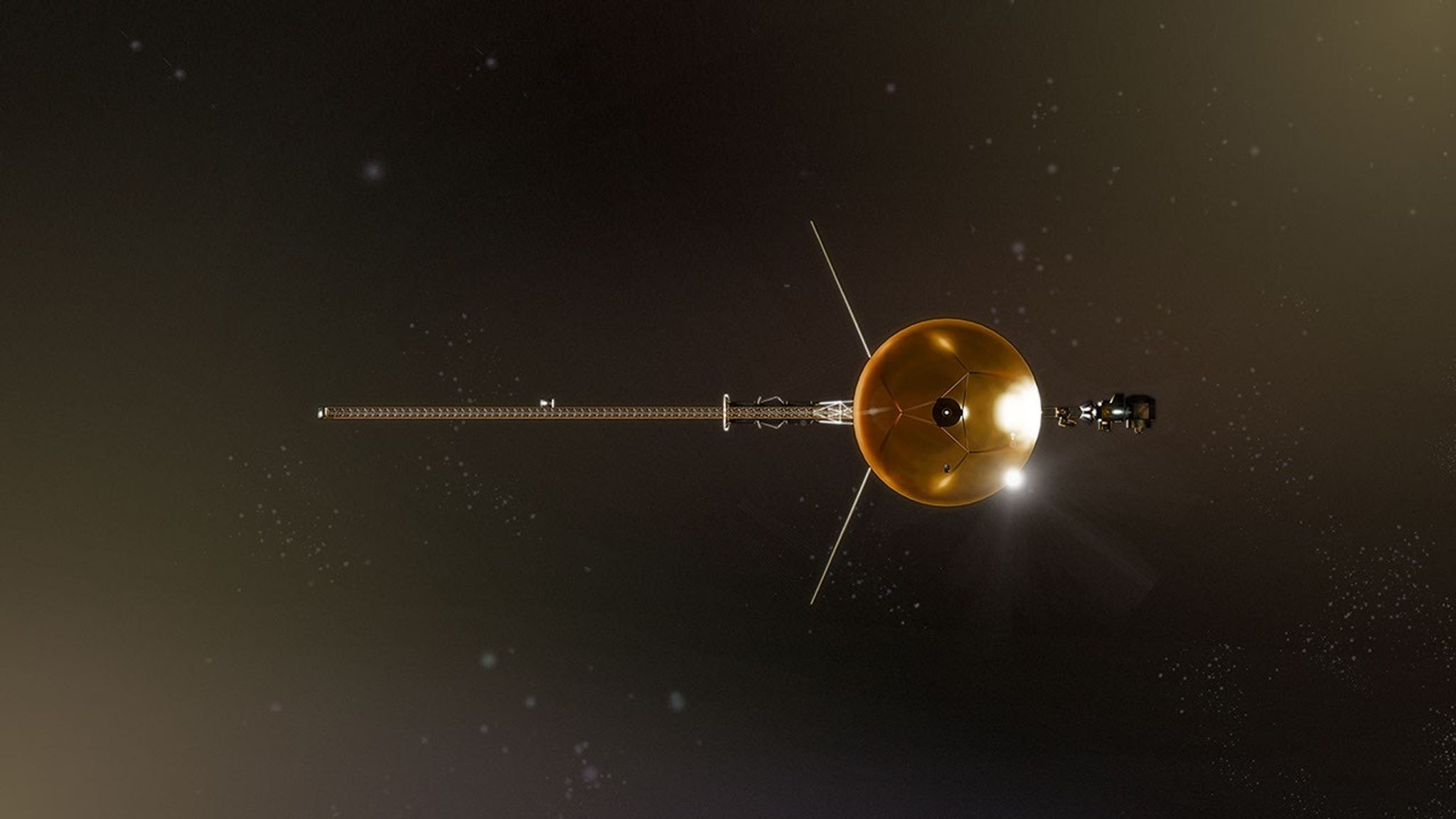
NASA has announced that on November 18, the Voyager 1 spacecraft will have traveled one light-day away from Earth, which is more than 16 billion miles. To commemorate this historic milestone, NASA is hosting two events. On November 17, the public is invited to participate in a "Shine Bright for Voyager's Light-Day" by creating a symbolic wave of golden light that will circle the planet after sunset.
People can take part by flashing "VGR" in Morse code on their smartphones and tablets. The hashtag #ShineBrightForVoyagerLightDay should be used when sharing photos or videos of the light-day signal on social media platforms. On November 19 at 12 p.m. EST (9 a.m. PST), NASA's Jet Propulsion Laboratory in Southern California will host a moderated discussion with mission members and NASA leadership.
The event will cover the current status of Voyager 1 and 2, the ongoing scientific discoveries they make in interstellar space, and the challenges of maintaining the spacecraft's operation over such vast distances. The conversation will also feature a preview of an upcoming NASA+ Voyager documentary set to release in 2027. Media interested in attending the event in person must RSVP by November 16, while those who wish to join virtually must RSVP no later than two hours before the event.
Written by urgent.news from NASA's reporting — not their text. Machine-written — may contain errors; check the original before relying on it.
This story
This is one outlet's version. Read the fullest account.