My Electric Journey Out of Darkness: 10 Books on Electroconvulsive Therapy
Electroconvulsive therapy is often used as a last line of treatment against mood disorders. It works by sending short electrical shocks to the brain to induce a seizure. The approach was innovated in Italy, where they coined an efficient transitive verb
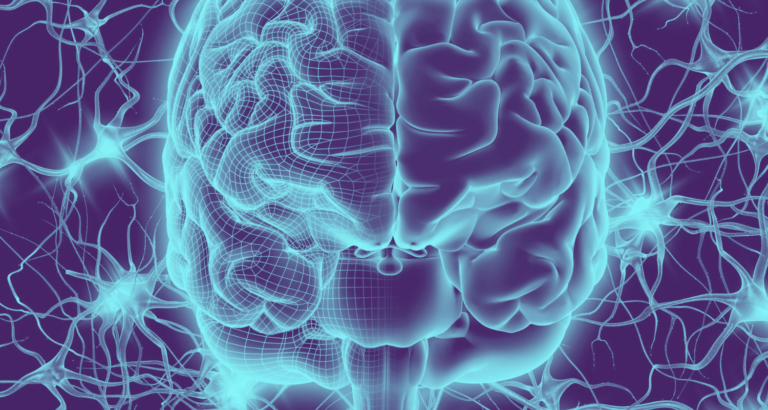
Electroconvulsive therapy (ECT) is often considered a last-line treatment for mood disorders. Developed in Italy, the treatment induces seizures through electrical shocks sent to the brain. The Italian term for this action, "zapare," describes the procedure. Despite its controversial nature, many writers are inclined to write about their experiences with ECT, possibly due to its unique aspects.
In her book, Jolt: My Electric Journey Out of Darkness, the author recounts her personal experience with ECT. She writes of the dramatic process and the sense of transformation she experienced. Her experience contrasts with the common misconceptions surrounding ECT, such as it being a high-tech lobotomy or punitive measure.
The author highlights the therapeutic benefits of ECT, including its role in providing hope for patients. She cites Sylvia Plath's The Bell Jar, where Esther's first experience with unmodified shock therapy is traumatic. However, after receiving modified ECT with anesthesia and muscle relaxants, Esther reports feeling peaceful and at peace. This suggests that proper administration of ECT can lead to positive outcomes.
Another book referenced by the author, Shock Therapy: A History of Electroconvulsive Treatment in Mental Illness, by Edward Shorter and David Healy, provides a comprehensive history of ECT. The authors cover the treatment's development, abuses, and success stories, offering a balanced and informative account. They also note that while ECT may be unfamiliar to most people, its effectiveness cannot be denied.
Written by urgent.news from Literary Hub's reporting — not their text. Machine-written — may contain errors; check the original before relying on it.