Most of my 3D print failures came down to moisture, and a $25 dry box solved them
Wet filament can cause stringing, rough surfaces, and weak parts, and a sealed box plus a hygrometer is an easy place to start.
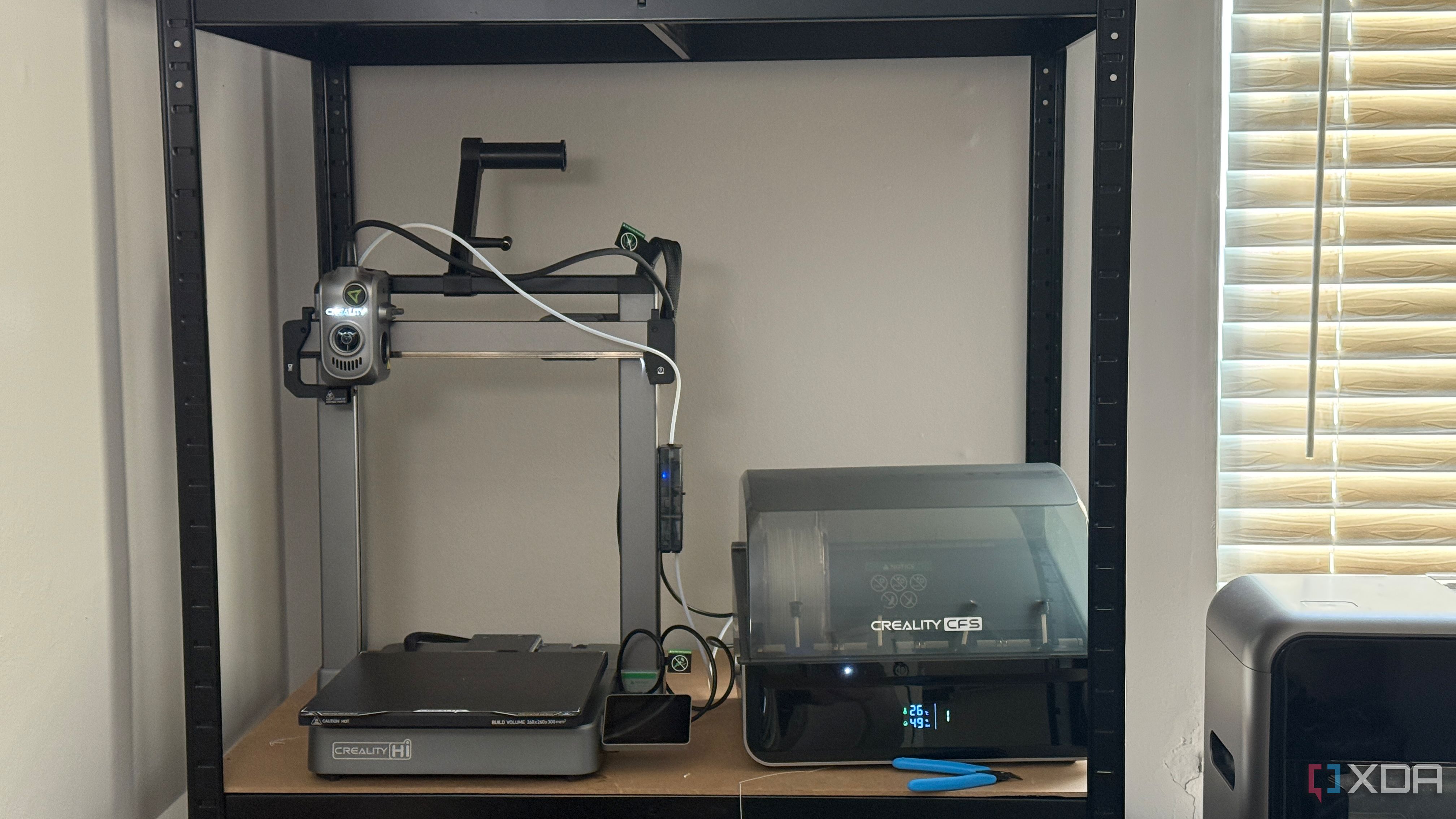
When printing with 3D filament, moisture is often the culprit behind many failed prints. To combat this issue, a $25 dry box can make all the difference. After printing, instead of leaving the filament exposed, store it in the dry box to prevent moisture absorption from the air. By investing in an airtight container, hygrometers, and silica gel beads, you can create a simple yet effective setup to keep your filament dry and hygienic.
The process involves filling the container with desiccant, placing it inside the container with the filament, and monitoring the humidity levels. With a hygrometer, you can easily track the moisture levels in the container, and when the silica gel changes color, it signals that it's time to replace it. The good news is that silica gel beads are reusable and can be dried and reused multiple times by simply heating them in the oven or microwave.
A dry box is particularly useful for those living in humid areas, where the risk of moisture exposure is higher. While some modern printers have a built-in drying function, a dry box remains a reliable and affordable solution for all filament types. Just remember, even if you have a filament dryer or food dehydrator, it's not a substitute for a dry box, as it cannot extract already absorbed moisture from the filament.
Using a dry box ensures that your filaments remain dry and in optimal condition, saving you time, effort, and potential print failures in the long run.
Written by urgent.news from XDA Developers's reporting — not their text. Machine-written — may contain errors; check the original before relying on it.