Minority questions impact of falling inflation on cost of living
The Minority in Parliament has questioned the extent to which Ghana’s declining inflation rate has improved the financial circumstances of ordinary households, arguing that the headline figures do not adequately reflect the cost pressures facing consumers. Ranking Member on Parliament’s Finance Committee, Dr Mohammed Amin Adam, raised the concerns when he addressed the media on […]
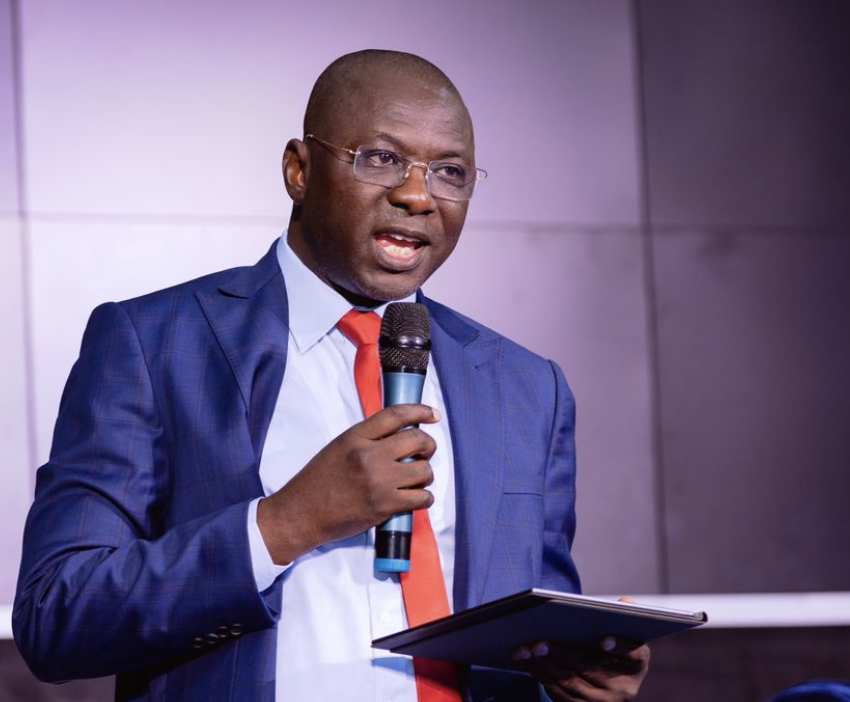
The Minority in Ghana's Parliament has raised questions about whether the country's falling inflation rate has effectively improved the financial situations of ordinary citizens. They argue that the headline figures do not accurately represent the real cost pressures faced by consumers. Dr Mohammed Amin Adam, the Ranking Member of the Finance Committee, made these concerns known during a media briefing on behalf of the Minority on Tuesday, November 10, before the 2027 Budget presentation.
He emphasized that economic performance should be evaluated based on its impact on people's purchasing power, real incomes, and their ability to afford essential services, rather than solely on national economic indicators.
The Minority highlighted several factors contributing to the rising cost of living, such as increases in electricity and water tariffs, petroleum prices, and public transport fares. Dr Amin Adam pointed out specific tariff adjustments between April 2025 and July 2026, which saw a 15.92 percent increase in electricity tariffs, a 15.92 percent increase in water tariffs in January 2026, and an 8 percent increase in transport fares from September 26, 2026.
He questioned the connection between the reported 5.5 percent inflation rate and the actual cost of essential services, including electricity, transport, rent, and water. "The 5.5 percent is held down by food. It is not the bill a family pays every month for transport, rent, light, water and school," he pointed out.
The Minority is urging the Finance Minister to address this discrepancy in the 2027 Budget, highlighting the gap between the improvements in headline economic indicators and the ongoing financial difficulties experienced by households.
Written by urgent.news from MyJoyOnline Ghana's reporting — not their text. Machine-written — may contain errors; check the original before relying on it.