Microsoft lobbies against potential ban on Chinese optical networking gear for AI data centers as FCC mulls restricting imports
The ITI is lobbying against the ban of these optical transceivers needed by data centers to convert electrical signals into optical signals.
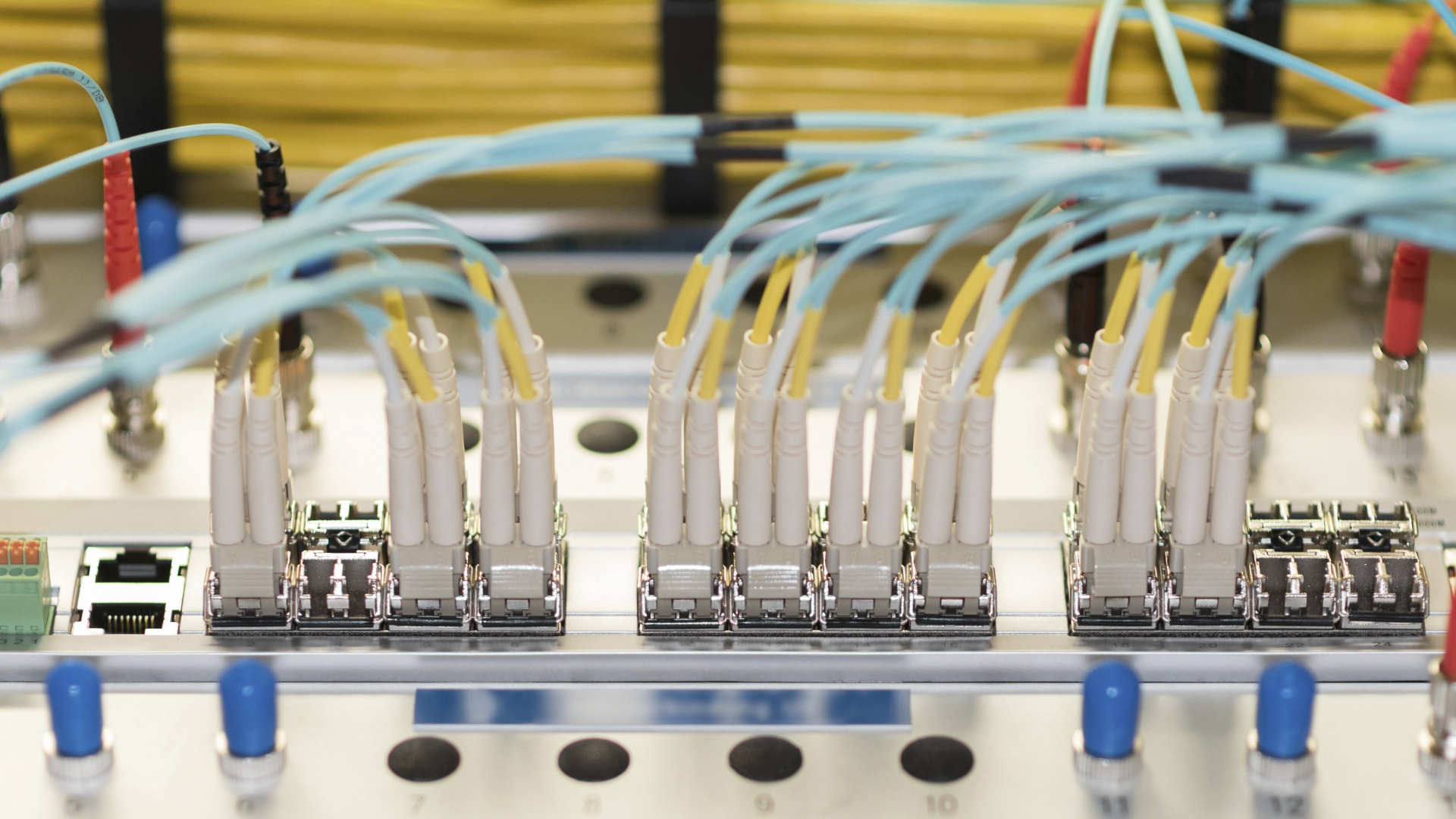
Microsoft, a major player in data center construction with 35 currently operating and a plan for 134 more, has been engaging with the White House Office of Science and Technology Policy and the National Security Council over the FCC's consideration of a potential ban on Chinese optical networking gear. The company, in partnership with the Information Technology Industry Council (ITI), is opposing this move, according to Reuters.
The controversy revolves around the impact such a ban could have on the U.S. data center industry. ITI Executive Vice President of Policy and General Counsel John Miller warned that the ban "really threatens to arguably grind (the data center rollout) to a halt," emphasizing that optical transceivers are crucial for AI chips to function properly. Without these transceivers, AI servers would be unable to transmit data efficiently, leading to significant delays and inefficiencies.
Optical transceivers, which convert electrical signals into light for fiber optic transmission, are faster, require less power, and generate less heat than traditional copper connections. They are essential for AI data centers, yet 66% of the global market for these transceivers is currently supplied by Chinese companies. Banning these companies from exporting to the U.S. would drastically reduce the available supply, potentially exacerbating existing shortages in the industry.
While Chinese transceivers are generally considered secure, there are concerns about the possibility of Beijing compromising these components to steal data, install malware, or disrupt American data centers, similar to the fear surrounding Huawei's telecommunications hardware. However, unlike Huawei, the U.S. market only has two significant producers of optical transceivers, Coherent and Lumentum, neither of which has the production capacity to fill the gap if the ban went into effect immediately.
Another proposed compromise by the Trump administration would only restrict Chinese transceivers capable of transmitting data at 3.2 terabits per second. While this technology already exists, it is not expected to become more widely available until 2028, with installations beginning in 2029. This timeline, however, is still under consideration.
Written by urgent.news from Tom's Hardware's reporting — not their text. Machine-written — may contain errors; check the original before relying on it.