Lifesavers to trial AI tool to detect rip currents
UNSW researchers claim the tool can pick out a rip in a photograph of a beach, and hope it can be used to help save lives.
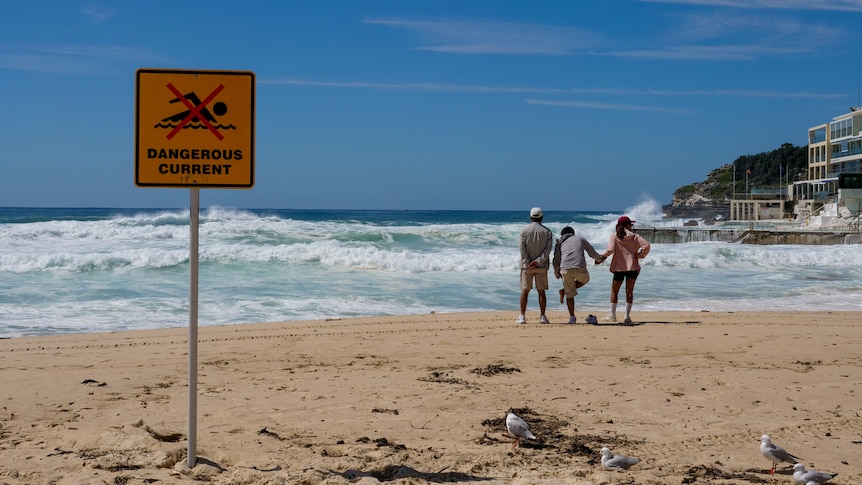
An AI-powered tool called RipEye, developed by researchers at the University of New South Wales, is set to be trialed at various beaches in New South Wales this summer. The tool, which can identify rip currents by analyzing photos of beaches annotated by experts, aims to address one of Australia's most deadly beach hazards. According to a recent National Drowning Report, nearly half of the 66 beach drowning deaths between July 2025 and July 2026 were partially caused by rip currents.
Surf Life Saving Australia hopes that RipEye, which also features an educational game mode, will help beachgoers better identify dangerous rip currents. The AI tool reportedly has an 80% accuracy rate in identifying rips. Additionally, RipEye is available in 11 languages, catering to diverse population groups with higher drowning risks, such as young males, the CALD community, and international visitors.
Surf Life Saving Australia's national research manager, Jaz Lawes, expressed enthusiasm about using the app to train lifeguards and educate the public about beach safety. However, the organization is still determining which surf clubs to include in the trial. Lawes emphasized that despite many Australians' confidence in spotting rips, only a small fraction can do so accurately.
While the trial is set to begin this summer, RipEye may also be rolled out to regional inland communities using existing programs like Surf Life Saving NSW's Beach to Bush initiative. The tool has already been tested in a pilot project using AI cameras at rock fishing spots in Sydney's Little Bay and Kiama.
Written by urgent.news from ABC News AU's reporting — not their text. Machine-written — may contain errors; check the original before relying on it.