Inflation report to provide 1st snapshot of prices since midterm elections
Inflation is expected to have held steady in October.
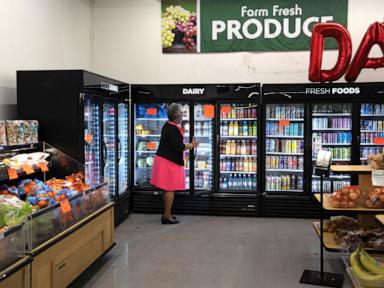
The first snapshot of nationwide prices since the midterm elections will be provided by a government inflation report on Tuesday. Democrats secured a significant victory in the recent elections, in part due to voter dissatisfaction with rising costs. The Iran war has contributed to increased gasoline prices and pushed inflation to a three-year high in the spring.
Inflation has since eased during the summer, but unrest has kept price increases significantly above pre-war levels. Economists anticipate that inflation will slow on a monthly basis in October, although the report will lack a crucial data point: the comparison of prices to those a year ago. This figure, typically closely examined, cannot be determined as the U.S. Bureau of Labor Statistics did not publish an inflation report during the previous government shutdown.
Over the past year, prices have risen by 3.7%, the highest figure recorded. In August, annual inflation stood at 3.4%. Currently, the annual inflation rate exceeds the Federal Reserve's target of 2% by more than a percentage point. Fuel prices have significantly impacted overall inflation recently, with gas prices surging by over 9% in September, accounting for more than half of the price increase last month.
As of Monday, the national average price of a gallon of gas remained below $4, according to GasBuddy data. This recent relief at the pump will not be reflected in the Tuesday report, as it focuses on October's prices. The data will be released at a critical juncture for the central bank, where policymakers are deliberating on whether to raise interest rates to combat inflation, despite the risk of slowing hiring.
A stronger-than-expected jobs report last week may alleviate concerns among central bankers about a potential cooling of the labor market. In October, employers added 165,000 jobs, significantly surpassing the average monthly addition of 48,000 jobs over the previous year. If the Federal Reserve decides to raise rates at its upcoming meeting in December, it would be the central bank's second rate hike in four months, following three years of inaction.
The combination of high inflation and a robust labor market led the Fed to increase interest rates by a quarter of a percentage point in September. The aim is to cool off inflation by slowing the economy and reducing demand, although such measures typically take several months to yield results. Policymakers may grow impatient in determining if the current interest rates are sufficient to alleviate price hikes.
The likelihood of a quarter-point rate hike at the Fed's next meeting is estimated at around 82%, according to CME Group's FedWatch Tool, an indicator of market sentiment. Prior to the midterm elections, Federal Reserve policymakers opted to maintain interest rates as they awaited additional economic data. Despite this, Fed Chair Kevin Warsh pledged to address inflation.
"It's our responsibility to get inflation down," Warsh stated during a press conference in Washington, D.C.
Written by urgent.news from ABC News (US)'s reporting — not their text. Machine-written — may contain errors; check the original before relying on it.