India’s airpocalypse: The story of Diwali peaks, missing data, and stubble-burning build-up, in charts
Post-Diwali firecracker smoke, combined with seasonal stubble burning and cold winter air, causes dangerous air quality deterioration across northern India. The peak-hour spikes are so severe that they result in data blackouts.
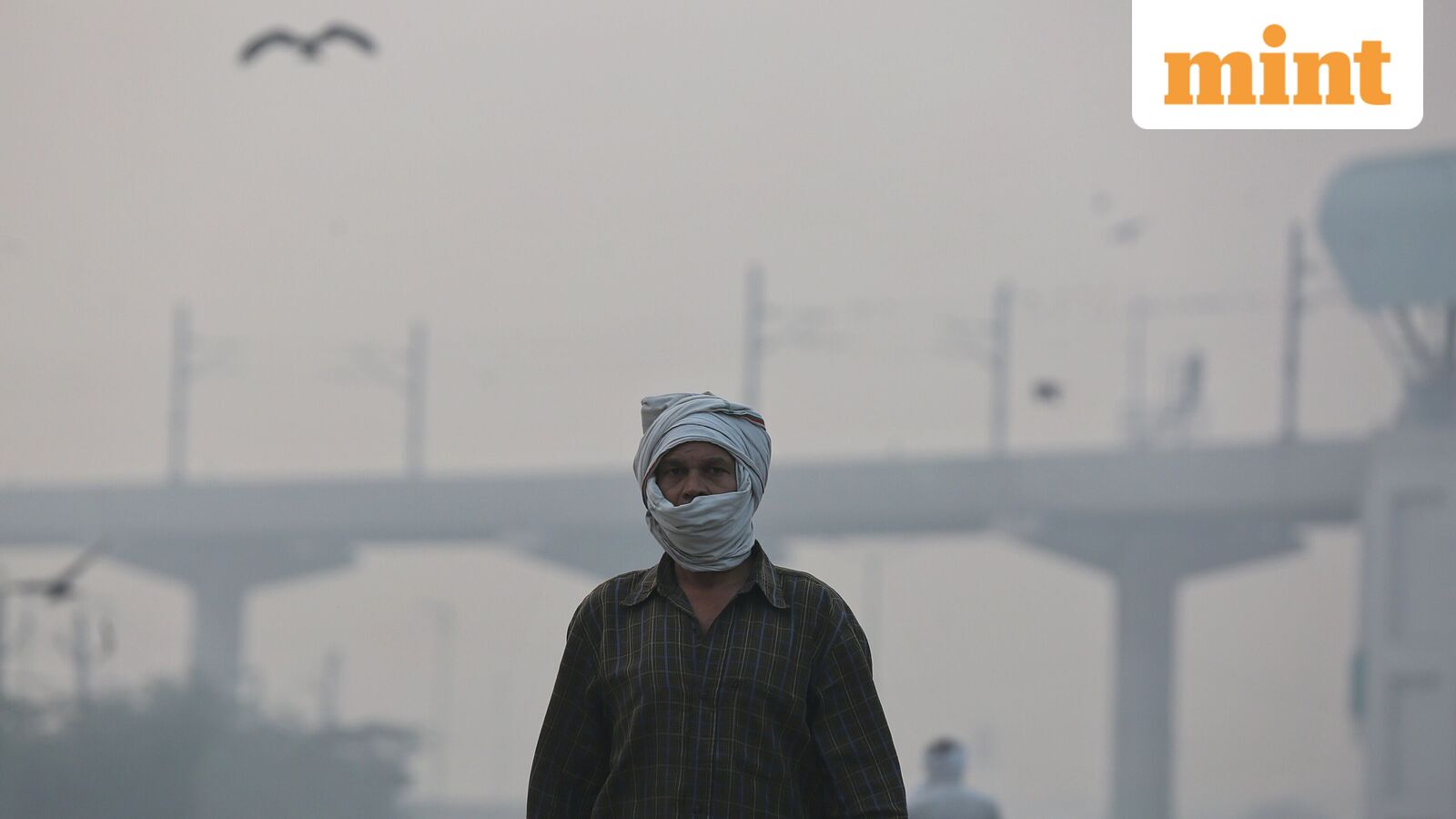
As Diwali celebrations conclude, Delhi and neighboring regions are once again greeted with thick smog and poor visibility. The air quality deteriorates to such an extent that monitoring stations frequently report blank readings, prompting questions about the reliability of the data. This phenomenon, dubbed the "airpocalypse," is a recurring event that underscores the profound impact of Diwali on air quality in India.
Pragya, the Editor of Plain Facts at Mint, has spent over a decade working on data journalism projects that delve into the complexities of India's economic and social indicators. Her focus has been on bridging the gap between abstract numbers and storytelling, using rigorous analysis to shed light on critical issues affecting the nation.
Her expertise has been honed through roles at the Press Trust of India and The Financial Express, where she developed a keen eye for dissecting public statistics and presenting them in a clear, impactful manner. Chauhan, a data journalist at Mint, complements Pragya's work by translating complex datasets into accessible narratives.
Her background in digital media and journalism equips her with the skills to break down large, intricate datasets into clear, evidence-backed stories that inform readers about the forces shaping India's economy and society. Together, Pragya and Chauhan exemplify the dedication of Mint's data journalism team to uncovering the stories hidden within complex datasets, providing context and relevance to empower both policy makers and everyday citizens.
Written by urgent.news from Live Mint's reporting — not their text. Machine-written — may contain errors; check the original before relying on it.