Hundreds protest US Senate bill that would gut key section of National Historic Preservation Act
Organisers said around 800 people gathered on the grounds of the US Capitol on Monday in opposition of the Bipartisan American Affordability and Jobs Act
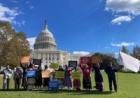
On November 9, a group of protesters assembled on the West Lawn of the US Capitol in Washington, D.C. to voice their opposition to the Bipartisan American Affordability and Jobs Act (BAAJA, or Senate Bill S.5653), which seeks to significantly weaken the National Historic Preservation Act. Representatives from over 100 tribal nations, members of Congress, leaders from various museums and architectural organizations, and numerous attendees gathered to express their concerns about the proposed legislation.
The BAAJA has been described by New Mexico Congresswoman Melanie Stansbury as a "dirty deal" and was crafted without consultation from tribal nations or the public. The bill, which contains 500 new pages of legislative text, was released just 48 hours prior to the Senate's scheduled vote on November 9, 2021. Protests lasted over two hours, during which supporters displayed signs, listened to over 15 speakers, and called for action.
Among the groups represented were the Section 106 Coalition and the Cultural Heritage Partners. The BAAJA would remove the requirement for federal agencies to consult with both the public and tribal nations regarding potential impacts on historic sites, effectively making such consultations optional. It would also restrict the definition of a historic site, narrow the triggers for federal review, and limit the types of legal actions available to those seeking to protect historic and sacred sites.
Supporters of the bill argue that it would create economic opportunities without sacrificing the nation's history, culture, or sovereignty. However, opponents, including representatives from various tribal nations, argue that the bill would undermine their sovereignty and self-determination, as well as the protection of their ancestral lands and traditions.
Written by urgent.news from The Art Newspaper's reporting — not their text. Machine-written — may contain errors; check the original before relying on it.