How the Telephone Changed the World
A beige plastic telephone sits on a wooden table. The handset, attached by a coiled cord, rests in its cradle. The base has a clear dial with ten finger holes. The telephone is the most ordinary of household objects but,
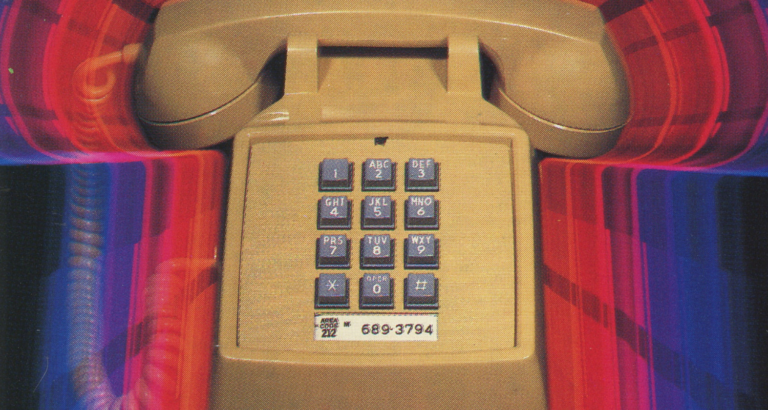
The telephone, a seemingly ordinary household item, has had a profound impact on the world. It sits quietly on a wooden table, its beige plastic appearance belied by its revolutionary significance. A child, Susie, picks up the handset and mimics a duck's quack, demonstrating how easily the phone could be used for entertainment. An older boy, Jimmy, shows her the proper way to answer the phone, emphasizing the importance of etiquette and politeness.
The film "We Learn About the Telephone," produced by AT&T, aimed to educate children about the history of communication before the telephone. The film traced the evolution of messaging methods, from cave men sending runners to horses, to the Pony Express, to telegraphy. It highlighted how each innovation improved the speed and efficiency of communication, but none compared to the telephone's ability to transmit voices directly.
Alexander Graham Bell's invention of the telephone in 1876 marked a turning point in human history. The telephone allowed people to speak with each other across vast distances, breaking down barriers and bringing the world closer together. AT&T, the dominant telephone company, recognized the importance of educating the public about this transformative technology. Their film served as a public service, teaching children not only about the telephone's history but also how to use it effectively.
The Western Electric model 500, the ubiquitous telephone seen in the film, was a testament to the telephone's impact on modernity. Its sleek, sculpted plastic design and heavy weight symbolized the era's technological advancements. Despite its apparent simplicity, the telephone had revolutionized communication, paving the way for the interconnected world we live in today.
Written by urgent.news from Literary Hub's reporting — not their text. Machine-written — may contain errors; check the original before relying on it.