How the Gulf can collectively unlock the promise of solar power
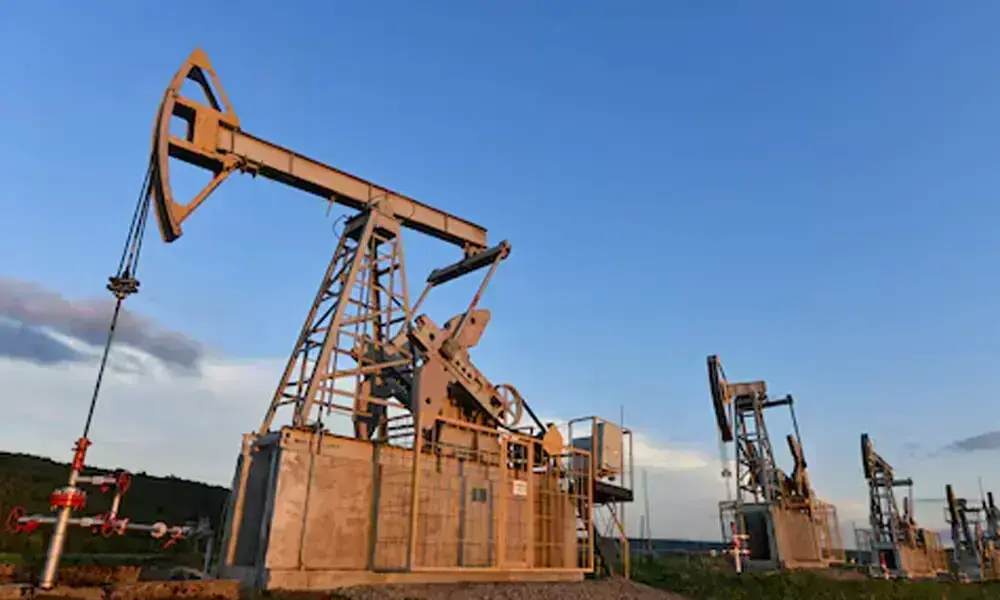
The Gulf’s ambitions to become a global leader in solar energy are gaining attention. The International Energy Agency’s Renewables 2026 report, published as the Cop31 global climate summit gets under way in Turkey, offers an encouraging picture of the region’s potential. Renewable energy in the Middle East, the IEA says, is forecast to triple by 2031 , with solar power accounting for much of that…
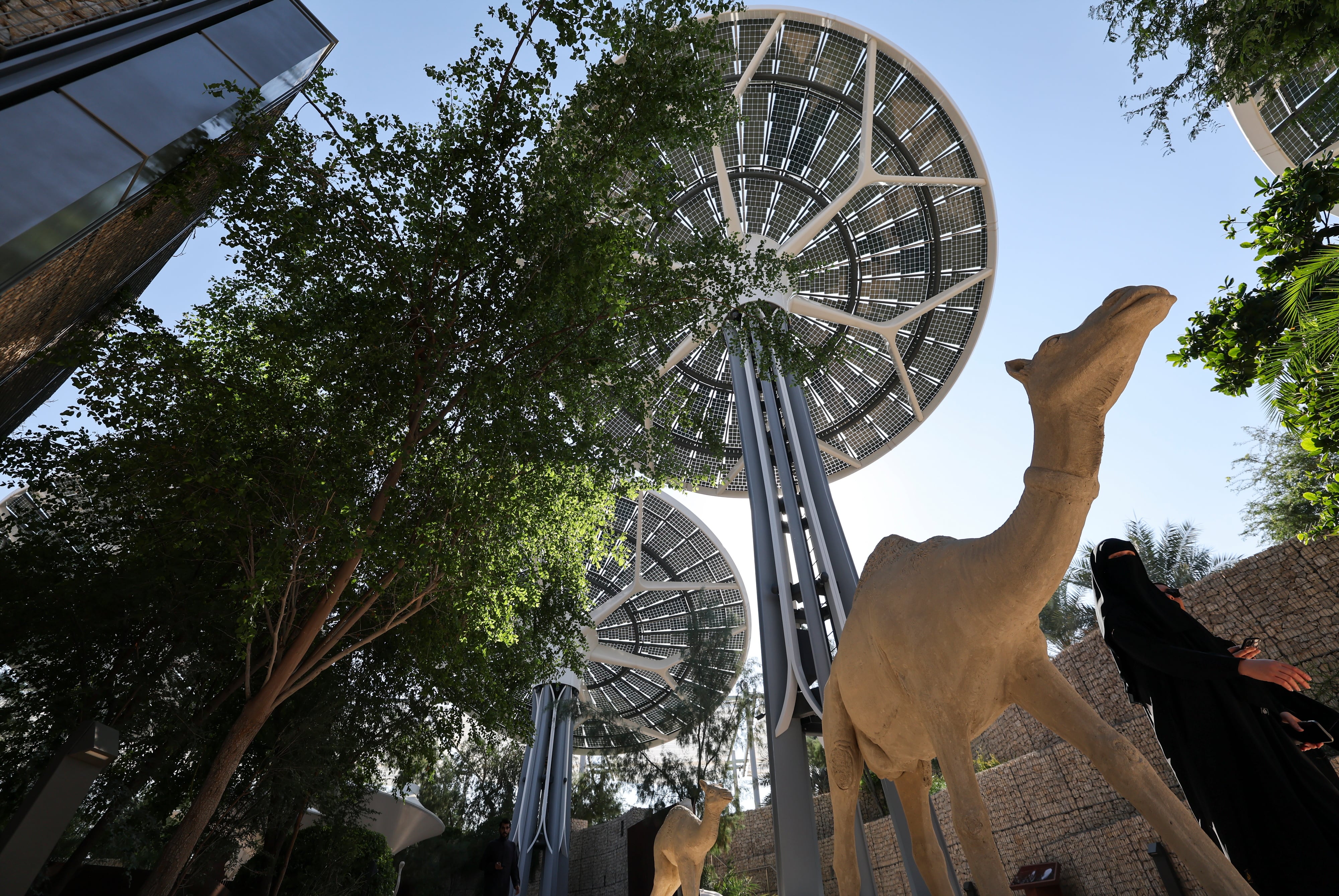
The Gulf region is poised to become a global leader in solar energy, according to the International Energy Agency's Renewables 2026 report. Solar power is expected to triple in the Middle East by 2031, with the UAE projected to become the world's largest generator of solar electricity per capita. Saudi Arabia plans to increase its renewable energy expansion fivefold, while Oman and Qatar also anticipate ranking among the world's leading solar electricity producers.
These accomplishments highlight the region's potential to meet rising energy demand and diversify its economies through renewable sources. Nevertheless, the Gulf's electricity systems are still largely individualized, and there is a case for greater cooperation and interoperability. Cross-border electricity trading, shared infrastructure, and more efficient utilization of renewable generation could be unlocked through enhanced collaboration.
While solar power holds promise, it is not a foolproof solution for all energy challenges, particularly in a sun-drenched region like the Gulf. Its intermittency necessitates storage capabilities and efficient electricity transfer between markets. A more integrated regional electricity market would aid countries in balancing supply and demand while improving resilience.
The broader region also offers potential; countries like Morocco and Egypt have made substantial commitments to renewable energy, suggesting the possibility of a more cohesive regional energy strategy. However, such integration demands meticulous planning and consideration of infrastructure security. Recent measures to fortify Gulf power plants against drone attacks underscore that energy security is intrinsically linked to physical security.
As solar generation expands, safeguarding grids and transmission networks will be as crucial as expanding capacity. The Gulf possesses the resources and potential to assume a significant role in the global energy transition. The next step would be to recognize that this opportunity transcends individual national borders.
Written by urgent.news from The National Business's reporting — not their text. Machine-written — may contain errors; check the original before relying on it.
This story
This is one outlet's version. Read the fullest account.
- How the Gulf can collectively unlock the promise of solar power thenationalnews.com