Germany's Onshore Wind Boom Faces Logistical Hurdles as Turbine Orders Surge
Restrictions on moving oversized equipment could delay Germany's wind power expansion even if the roadworks disrupting motorways...
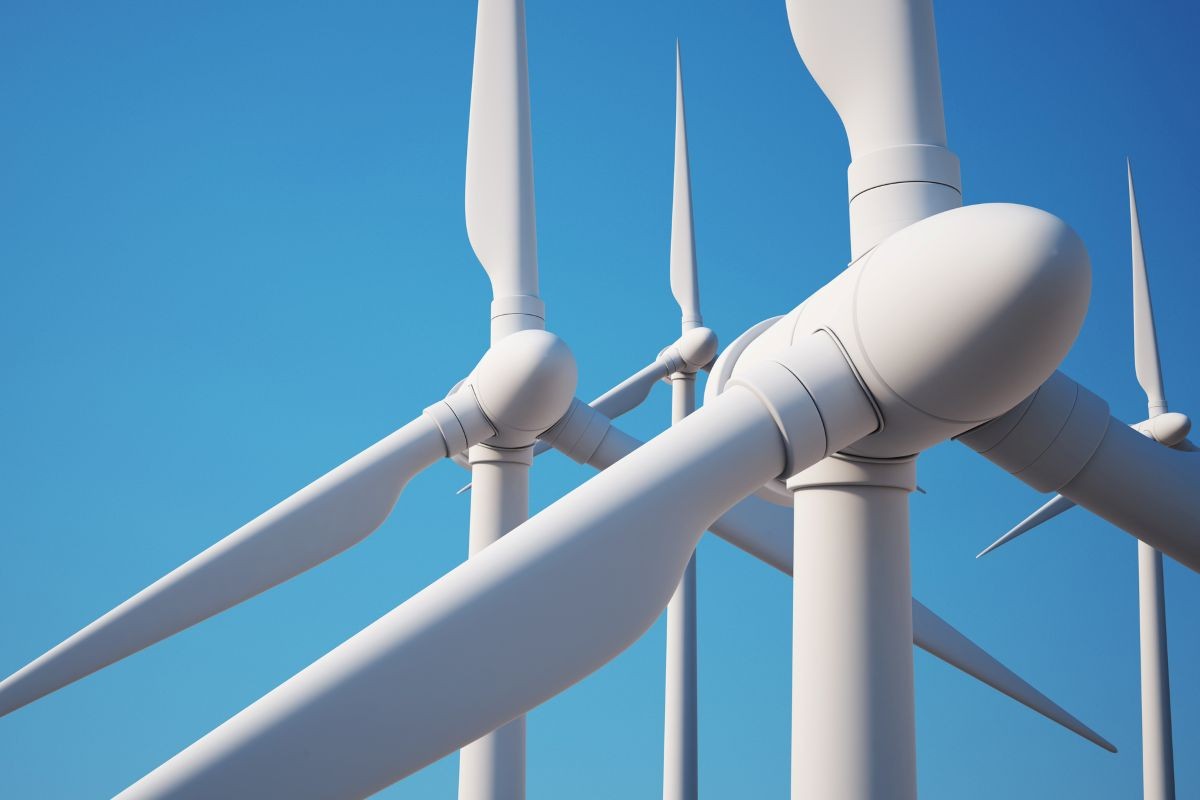
Germany's onshore wind turbine manufacturers face logistical challenges as turbine orders surge, according to company executives. While they have the capacity to meet a record 20.8 gigawatts of onshore wind projects in 2025, road and transport regulations may delay the delivery of the necessary equipment. Nordex CEO Jose Luis Blanco warned that restrictions on moving oversized equipment could hinder Germany's wind power expansion, even if roadworks are cleared.
Berlin aims to have renewables supply 80% of Germany's electricity consumption by 2030, with plans to auction 15 GW of onshore wind capacity in 2027 and 2028. Major turbine manufacturers Enercon, Nordex, and Vestas supply most of Germany's newly installed onshore wind capacity. These companies are preparing for a surge in demand, with Enercon expecting turbine installations to reach 10-11 GW by 2028.
However, the journey from factory to wind farm is proving difficult. Local authorities in Bavaria have banned roadside parking to allow trucks carrying turbine blades to navigate bends, with each turbine requiring 10 oversized deliveries. The crane alone arrived in roughly 65 truckloads, creating a bottleneck in the transport process.
Enercon executive Benjamin Seifert emphasized that having the number of trucks, obtaining transport permits early, and overcoming these bottlenecks are crucial. Blanco noted that Nordex is installing fewer turbines in Germany than planned due to unprepared sites and slow-arriving transport permits, resulting in a 22% drop in worldwide installations in the third quarter, partly due to delayed permits in Germany.
The problem extends beyond roadworks, as restrictions on oversized vehicles using motorways could limit deliveries even with clear roads. Blanco warned that these issues must be addressed soon to avoid substantial delays in meeting the government's targets. Additionally, staffing shortages and grid connection delays threaten the timely installation of completed turbines.
Written by urgent.news from Supply Chain Brain's reporting — not their text. Machine-written — may contain errors; check the original before relying on it.