Gasversorgung: Gasspeicherbetreiber warnen angesichts niedriger Füllstände vor Engpässen bei extremer Kälte
Niedrige Gasspeicherstände könnten für Deutschland bei einem kalten Winter zum Problem werden. Der Branchenverband INES fordert staatliche Maßnahmen.
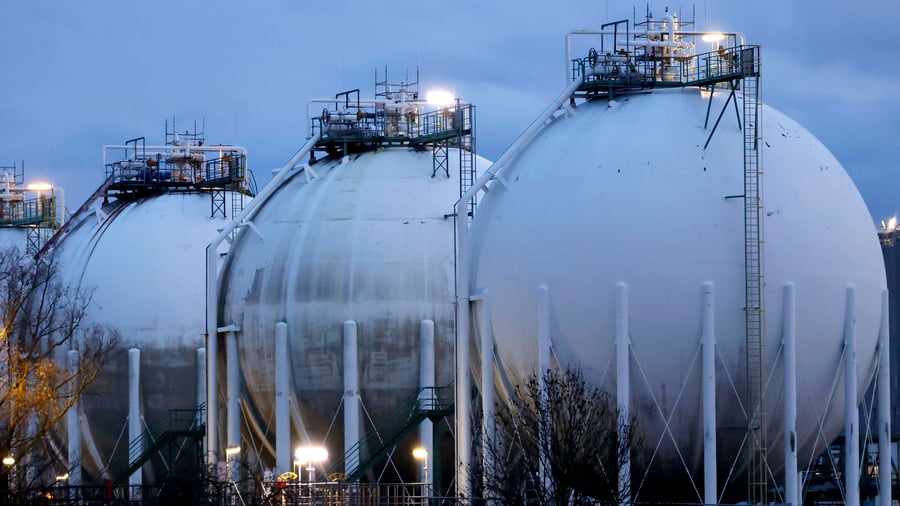
The industry association Initiative Energien Speichern (INES) has issued a warning about potential supply shortages of natural gas during an extremely cold winter, citing low gas storage levels. INES projected that between January and March 2027, up to 6.6 Terawatt-hours of natural gas could be missing each month, equivalent to the gas consumption of 1.5 winter days in Germany.
In extreme cold, the supply gap could reach 1.7 Terawatt-hours, or 40% of the average daily consumption in January 2026. INES considered an extremely cold winter similar to 2010 as less likely, but even under normal or mild conditions, gas supply would remain secure.
INES attributed the warning to low gas storage levels and called for government gas reserves, financial incentives for storage, or a commitment to storage use. The association represents 17 operators of gas and hydrogen storage, including SEFE, Uniper, and VNG, which together account for over 90% of Germany's gas storage capacity.
These members have a financial interest in maximizing storage use, as they can earn revenue from marketing their capacities. As of November 1, German gas storage levels were at around 61%, having slightly decreased since then. The European Gas Infrastructure Association (GIE) reported a recent fill level of around 59%. However, the Federal Network Agency estimated the risk of strained gas supply as low, as additional import options would not make reaching storage targets necessary.
Written by urgent.news from Handelsblatt's reporting — not their text. Machine-written — may contain errors; check the original before relying on it.