From famine to royal kitchens: The fascinating story of dum cooking
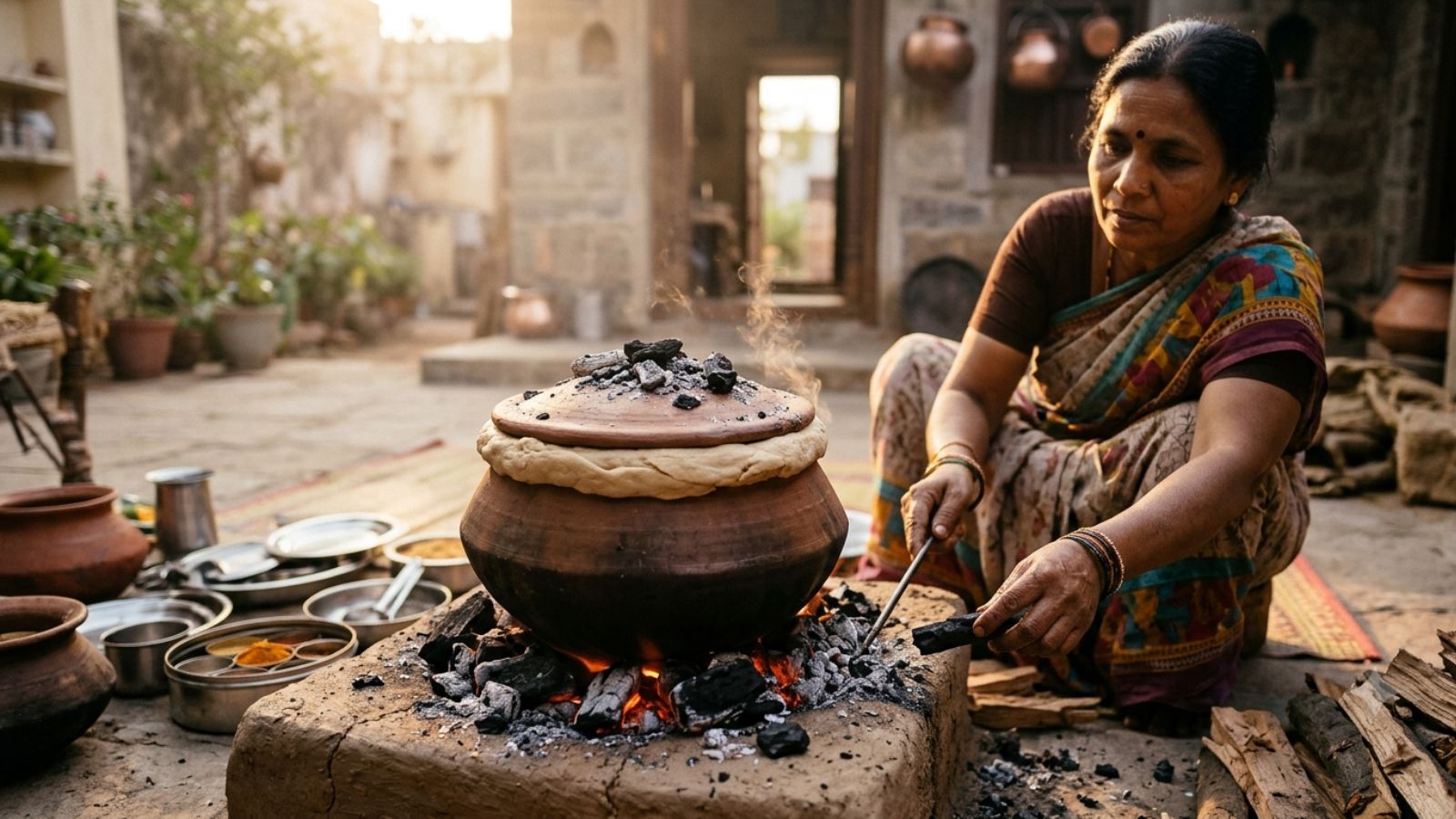
Dum cooking, an ancient Indian culinary technique, has evolved from a practical solution to a revered tradition. Originating in Awadh during a famine, it involved sealing ingredients in a pot to retain moisture, aromas, and flavors during slow cooking. Chef Nicole Gonsalves explains that the sealed handi creates an environment where steam, fat, and volatile aromatics cannot escape, leading to enhanced flavors and textures.
The technique's roots in Awadh trace back to the late 18th century when food needed to be prepared efficiently for large quantities. Large handis were used to cook rice, meat, vegetables, and spices slowly over low heat. The royal khansamas of Awadh recognized the enhanced flavor and aroma of food cooked in sealed vessels and adapted the method for their royal kitchens, elevating it to a symbol of elegance and refinement.
While dum cooking is not inherently superior to other cooking methods like steaming or pressure cooking, its benefits depend on the ingredients and preparation. It retains cooking juices and enhances flavors, but excessive oil, salt, or oversized portions can negate its health benefits. A balanced dum-cooked meal, incorporating vegetables, lean proteins, and moderate fats, can be a part of a nutritious diet.
Written by urgent.news from The Indian Express's reporting — not their text. Machine-written — may contain errors; check the original before relying on it.
This story
This is one outlet's version. Read the fullest account.