Ford Just Proved Its EV Battery Health Barely Degrades After 5 Years
2021 Mustang Mach-E electric SUVs have kept most of their battery and range after thousands of miles on the road.
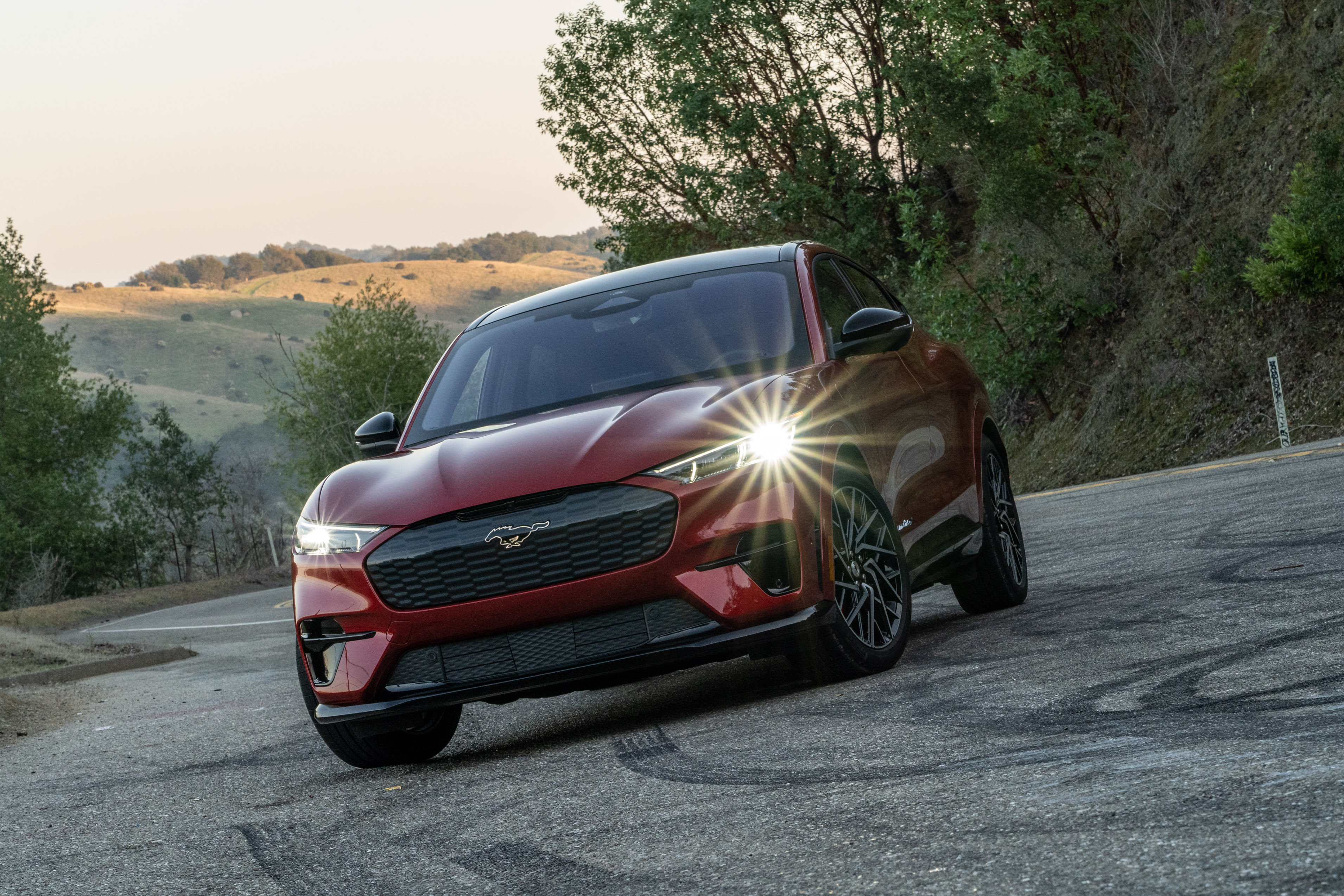
Ford has recently released a report that indicates the battery health of its Mustang Mach-E electric SUV barely deteriorates over a period of five years. The company analyzed the battery state of health of more than 36,000 Mustang Mach-E electric SUVs sold in the US and Canada during the initial 2021 model year. After an estimated 2 billion cumulative miles driven, the fleet averaged 92% battery health.
This finding is both impressive and not entirely surprising, as it is consistent with data reported by other automakers and independent analysts. The main concern for early EV adopters is the long-term reliability of the battery, which is the most expensive component of an electric car. Battery longevity is particularly important as more used EVs enter the market.
Ford's study provides reassurance to potential buyers, as it shows that around 95% of vehicles retained between 87% and 97% of their battery health after five years and an estimated 2 billion miles driven. The 2021 Mustang Mach-E had an EPA-estimated range between 211 and 305 miles, and owners experienced a loss of around 16 to 24 miles of range over time.
However, the battery chemistry plays a crucial role, and after reaching 100,000 miles, around 2,000 vehicles maintained around 91% battery health. At the extreme, one owner drove more than 400,000 miles on their original battery, although Ford did not disclose the specific health of that battery. Independent studies, such as the one by Aviloo, support Ford's reported numbers, showing that many popular models maintain over 90% battery health at high mileage.
Ford's engineers and battery chemists confirm that the Mach-E's battery was designed to last at least 10 years and that the 2021 models in the study use older nickel-cobalt-manganese chemistry. The upcoming Fathom small electric pickup, based on the Universal Electric Vehicle platform, will use a newer lithium iron phosphate chemistry, which will have different charging needs and battery management calibration compared to the 2021 models.
Written by urgent.news from CNET's reporting — not their text. Machine-written — may contain errors; check the original before relying on it.