For the First Time, Colombia Proposes Regulations to Protect Native Bees
The Government of Colombia continues to implement what it has called its ABC Agenda (Water, Biodiversity, and Communities) to make nature conservation a strategic asset for the development and well-being of the territories. As part of this effort, the Ministry of Environment and Sustainable Development published for public comment the draft resolution that, for the […]
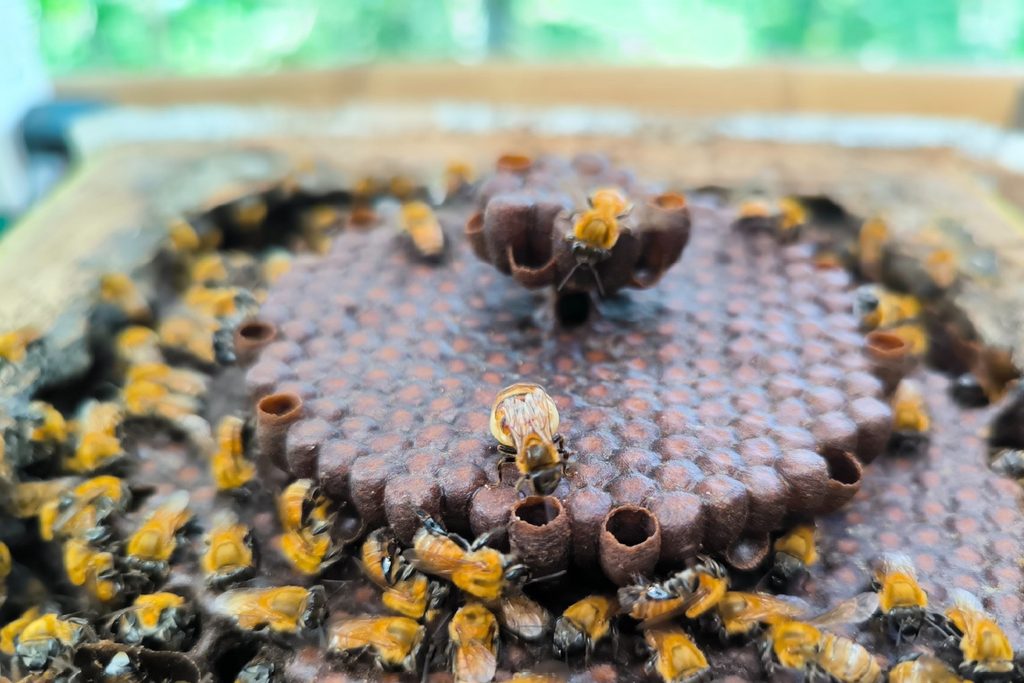
For the first time in Colombia, the government has proposed regulations to protect Native Stingless Bees (NSB) through the meliponiculture activity. These bees inhabit tropical forests from sea level up to 3,400 meters and are crucial for pollination and ecosystem conservation. The new regulation aims to provide clear rules for meliponiculture, which has been encouraged to generate income for family farming and promote conservation.
It will establish a single, free procedure to register existing and future meliponaries, grant operation permits, and assign unique identification numbers to colonies. The government hopes this will prevent harmful practices like tree cutting and pesticide use near hives while generating sustainable economic opportunities for communities.
The move comes amid a global biodiversity crisis and the need to balance conservation with economic development, as wild bees pollinate nearly 75% of food crops and 90% of wild flowering plants. Colombia boasts around 166 native stingless bee species, with 175 active meliponaries housing 4,823 colonies and 44 bee species across 23 departments.
Written by urgent.news from Colombia One's reporting — not their text. Machine-written — may contain errors; check the original before relying on it.