For GCC countries, localised green supply chains offer growth opportunities
The global economy is entering a new industrial era. As nations accelerate their commitment to net-zero , sustainability is no longer a peripheral policy ambition or a corporate responsibility exercise. It is fundamentally reshaping how economies build, source and secure industrial growth. For decades, globalisation was largely optimised around one overriding principle: cost efficiency. Supply…
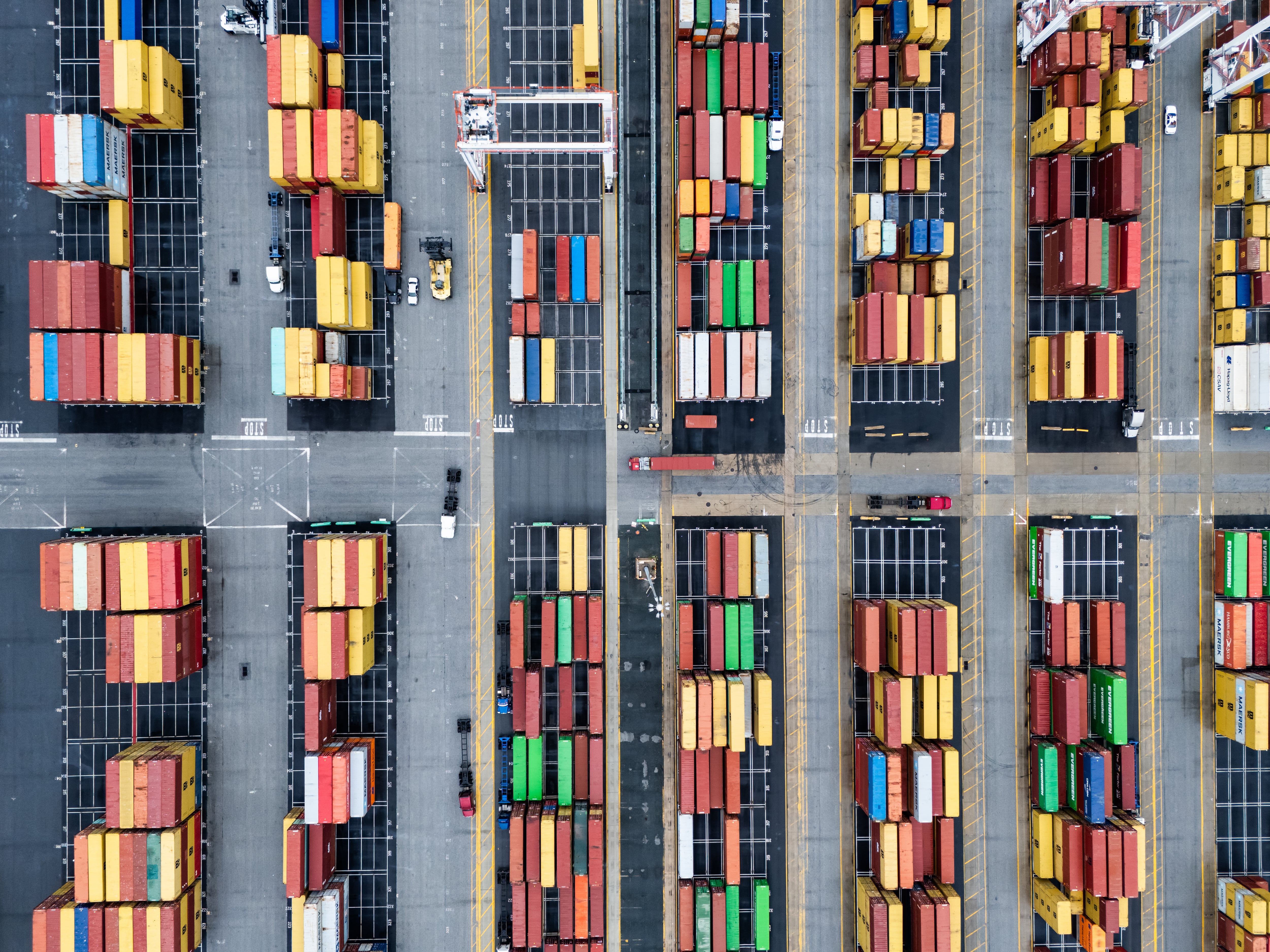
The global economy is undergoing a shift towards sustainability, as nations prioritize net-zero commitments. The traditional focus on cost efficiency in global supply chains has given way to a greater emphasis on resilience, environmental responsibility, and long-term competitiveness. The United Arab Emirates (UAE) is spearheading this movement, with Operation 300bn aiming to triple its industrial sector's contribution to GDP by 2031 while strengthening domestic value and sustainable manufacturing capabilities.
Initiatives such as Adnoc's Industrial Resilience Programme are reinforcing this vision by promoting domestic production, local supplier ecosystems, and sustainable procurement across critical sectors. The GCC region, in particular, stands to benefit from this transformation, as investments in industrial clusters, clean energy, circular resource management, and low-carbon infrastructure can create sustainable industrial ecosystems.
For industries such as metals and manufacturing, the challenge lies in aligning with evolving Environmental, Social, and Governance (ESG) expectations. This necessitates the evolution of procurement strategies, supplier networks, and production models that account for carbon intensity and resource efficiency. Customers, regulators, investors, and financial institutions are increasingly evaluating the sustainability of entire value chains, rather than just individual company performance.
A crucial aspect of this transformation is the concept of green supply chains, which must become an integral part of an organization's systems, rather than a standalone initiative. This involves integrating sustainability into every aspect of production, from raw material sourcing and manufacturing to logistics and end-market delivery.
One promising area within this system is the conversion of waste into productive resources. Waste-to-energy systems can simultaneously address waste management and energy demand by converting non-recyclable waste into usable energy. This reduces dependence on landfill, recovers value from discarded materials, and contributes to a circular industrial ecosystem.
However, the environmental performance of waste-to-energy relies on appropriate technologies, effective emissions controls, and robust waste segregation and management systems.
Similarly, waste-derived fuels, such as biodiesel produced from used cooking oil, can provide industries with alternative pathways to reduce reliance on conventional fossil fuels. These solutions demonstrate that the most effective pathway to the energy transition is not always to replace existing systems overnight, but to progressively make them cleaner, more circular, and more efficient.
Written by urgent.news from The National UAE's reporting — not their text. Machine-written — may contain errors; check the original before relying on it.