FDA orders new warning on GLP-1 drugs over potential risk of blindness
The makers of GLP-1 weight loss drugs such as Ozempic, Wegovy and Mounjaro must add a warning label about a possible link to permanent vision loss , the US Food and Drug Administration has said. The regulator said that it based the decision on research that linked a rare eye condition, called non-arteritic anterior ischemic optic neuropathy (NAION), which can cause blindness, and Glucagon-like…
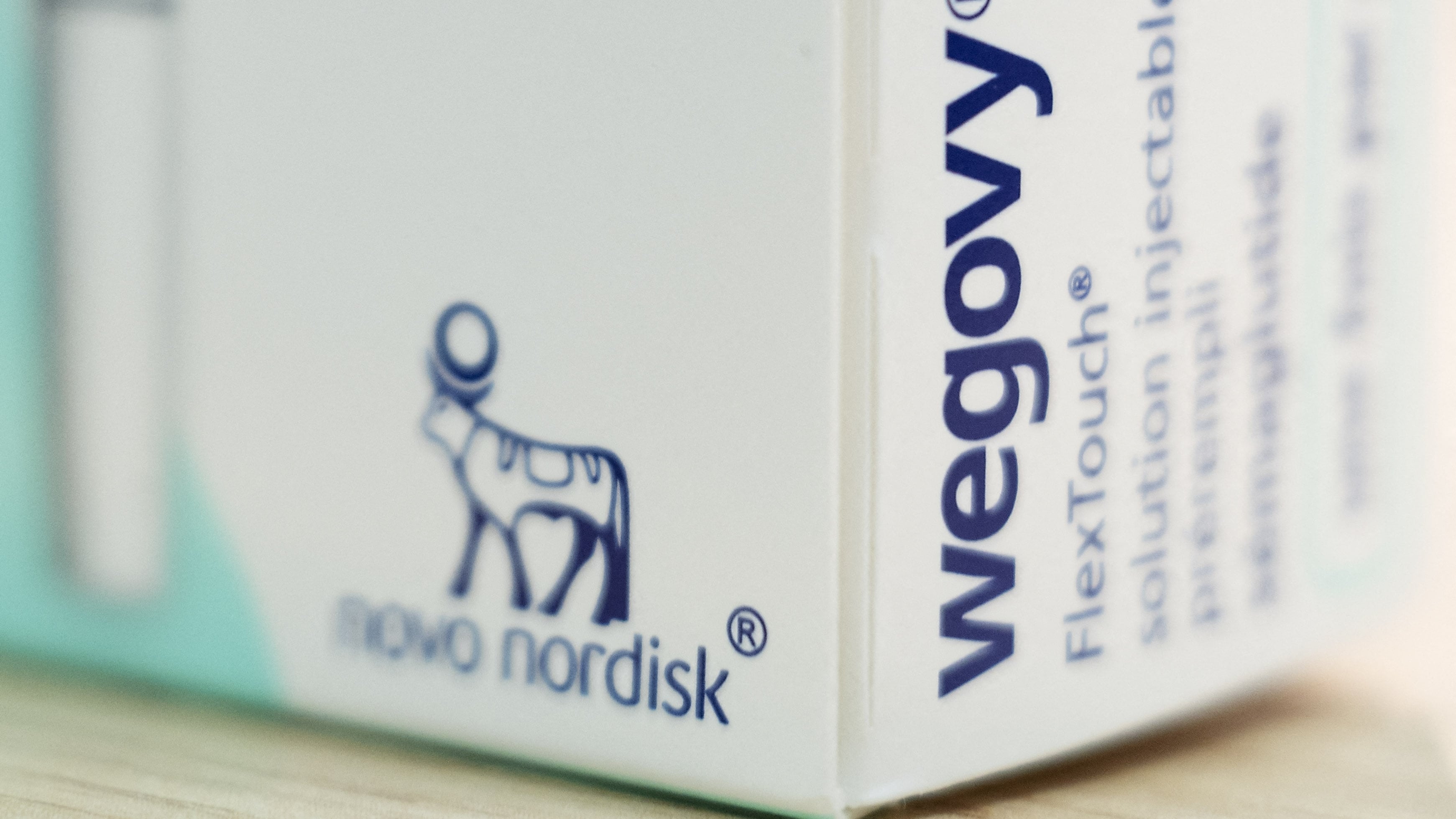
The U.S. Food and Drug Administration has mandated that makers of GLP-1 weight loss medications, including Ozempic, Wegovy, and Mounjaro, must now include a warning about the potential risk of permanent vision loss. This decision stems from research linking a rare eye condition, non-arteritic anterior ischemic optic neuropathy (NAION), which can lead to blindness, to the use of Glucagon-like peptide-1 receptor agonist (GLP-1 RA) drugs used for obesity and diabetes treatment.
The FDA drew its conclusions from clinical trial data, observational studies, and a 2024 article examining the possible connection between NAION and GLP-1 drugs, which prompted further investigation.
In its bulletin, the FDA informed patients and healthcare providers of the increased risk of NAION associated with GLP-1 RA medications. NAION is a rare condition that can cause sudden, painless vision loss in one eye, potentially resulting in permanent vision impairment. Individuals with a history of NAION are at a higher risk, according to the health regulator.
The FDA advised healthcare providers to consider discontinuing GLP-1 medications if symptoms of NAION appear, unless the therapeutic benefits clearly outweigh the risk.
The warning will be added to the labels of these medications, which also include Zepbound and Soliqua. According to the FDA, data from an analysis of 126 randomized, controlled clinical trials across multiple GLP-1 RAs revealed a higher incidence of NAION cases—6.4 per 100,000 person-years (PY) in patients treated with GLP-1 RAs compared to 3.8 per 100,000 PY for patients taking placebos or non-GLP-1 RA glucose-lowering medications.
Novo Nordisk, the manufacturer of Ozempic and Wegovy, maintains that current research does not definitively establish that GLP-1 medications cause NAION. Nevertheless, the FDA insists that drug manufacturers must update their warning labels to reflect the potential increased risk of NAION associated with the use of these medications.
Written by urgent.news from The National UAE's reporting — not their text. Machine-written — may contain errors; check the original before relying on it.