Europe still lets Russian grain through. Lithuania will make it wait and pay to prove it wasn’t stolen in Ukraine
Vilnius can’t legally stop the trade, so it’s making it slow and expensive.
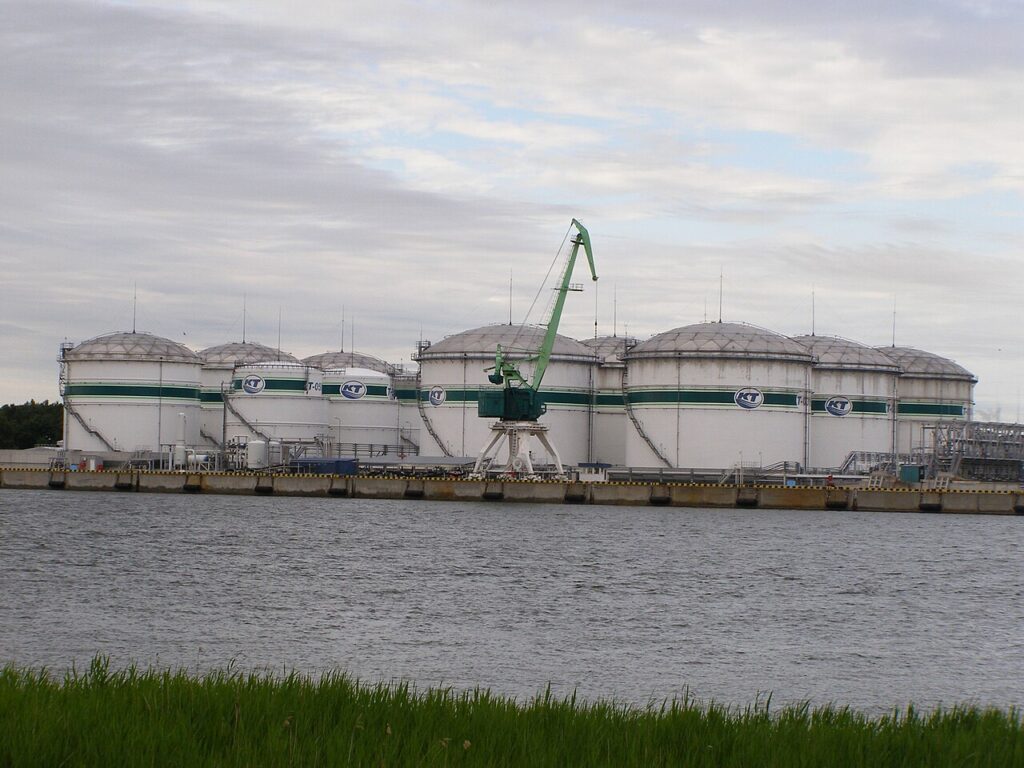
Lithuania will detain Russian and Belarusian grain at its primary port, Klaipeda, until laboratory tests confirm the grain was not cultivated on Ukrainian territory occupied by Russia, an official from Lithuania's Agriculture Ministry informed Reuters on November 9th. Although EU regulations permit Russian grain to pass through the European Union, Lithuania cannot prohibit it.
Instead, it can render the journey protracted and costly for Russian exporters. Russia has extracted approximately 15 million tons of grain from Ukrainian-occupied land between 2022 and August 2025, subsequently marketing it as its own, a practice that contributes to financing its war efforts. Ukraine has initiated its inaugural war-crime investigation against a captain involved in the transportation of such grain.
The European Union prohibits the purchase of Russian grain but still allows it to traverse European ports. Without evidence that the grain is not stolen, ships cannot be dispatched. As of November 16th, Lithuania will scrutinize every shipment of Russian and Belarusian wheat, barley, corn, and sunflower seeds passing through its territory, forwarding a sample from each to an external laboratory for analysis.
Customs officials will only permit the cargo to proceed upon Lithuania's food safety service's endorsement. Should the declared origin be deemed fraudulent, the shipment must be returned or destroyed. The exporters, rather than Lithuania, will bear the expenses associated with storage, testing, and possible return or destruction.
Prior to September, vessels could depart before test results were available. Lithuania initiated testing of Russian and Belarusian grain in September, suspecting some of it hails from occupied Ukraine. To date, the state has footed the bill for these tests, and ships could sail prior to receiving the results. Inspectors have collected five samples from two loads of uncertain origin since September, with the outcomes still pending.
Food safety service spokespersons informed BNS of this development. Agriculture Minister Kęstutis Mažeika announced that Lithuania would extend its grain-checking methodology to its neighboring countries. Lithuania lamented that Latvia has taken no action on this matter. Russian grain shipments via Azov and Black Sea ports have been virtually nonexistent since mid-August, according to Reuters.
Russian wheat exports have dwindled to roughly half of their typical levels, as reported by Matt Ammermann of the trading firm StoneX. Drones have also targeted ships off the coasts of Romania and Bulgaria. Estonia, Latvia, and Lithuania have petitioned the EU to prohibit Russian grain from passing through their territories since October.
Estonia has already imposed a ban on Russian grain within its borders. Poland, on the other hand, is courting the wheat market that Ukraine relies upon. In June, Egypt indicated it was deliberating on acquiring additional Polish wheat, following Russia and Ukraine's provision of 85% of its wheat imports in 2025.
Written by urgent.news from Euromaidan Press's reporting — not their text. Machine-written — may contain errors; check the original before relying on it.