Europe ready to discuss conflict-prevention mechanisms with Russia, including limits on missile deployments, FT reports
European countries are ready to talk with Russia about reviving mechanisms for preventing military conflict that were frozen during the Cold War, European diplomats told the Financial Times.
European nations are prepared to engage Russia in discussions regarding the resumption of Cold War-era mechanisms meant to prevent military conflicts, according to European diplomats speaking to the Financial Times. These potential agreements would encompass restrictions on missile deployments and the Open Skies Treaty, which facilitated monitoring of each other's military installations by the United States and the Soviet Union.
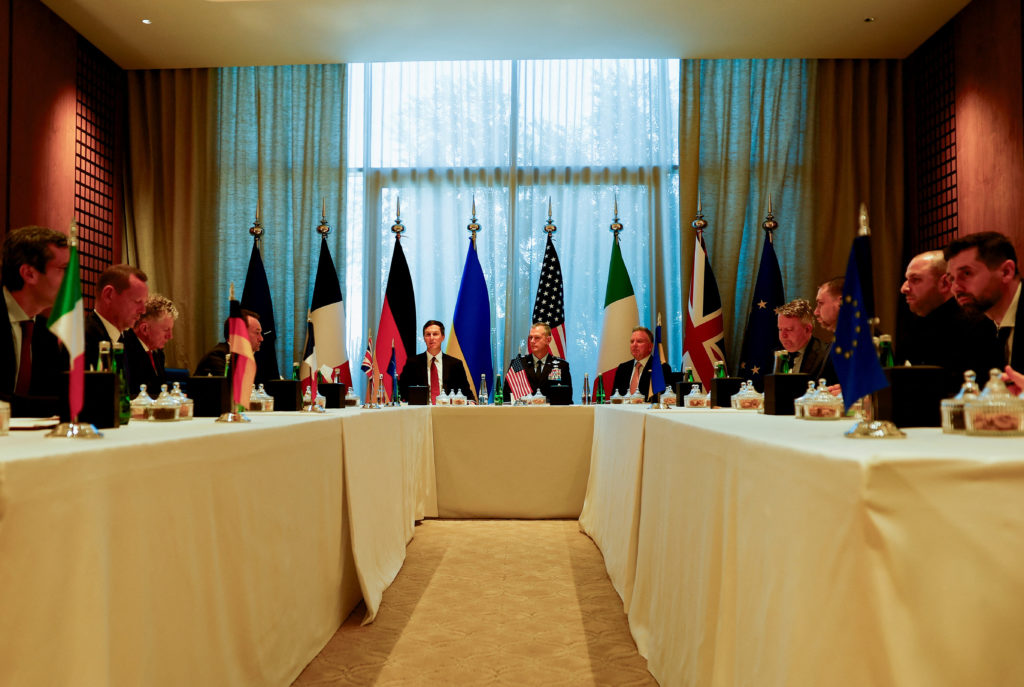
While the diplomats remain skeptical that the ongoing talks between Russia, Ukraine, and the United States in Abu Dhabi will yield significant progress, Europe maintains the belief that it must have representation in these discussions to support Ukraine and prevent unilateral decisions regarding European security. The U.S. administration, under former President Donald Trump, is attempting to convince Moscow to incorporate European countries into the dialogue.
Europe, Russia, and security negotiations have long been fraught with challenges as European countries grapple with concerns about being marginalized in the Russia–Ukraine peace talks, but have yet to reach an agreement on how to achieve a seat at the table. Former President Donald Trump has suggested that a three-way summit could take place "very soon," but the recent half-hour call between Russian President Vladimir Putin and European leaders can be seen as a 90-minute history lesson, rather than a productive conversation on security matters.
The U.S. and Russia have opted to proceed without a nuclear safeguard, as the last remaining check on nuclear proliferation ends this week.
Written by urgent.news from Meduza (English)'s reporting — not their text. Machine-written — may contain errors; check the original before relying on it.