Energie: Erdogan verkündet Ölförderung zum Auftakt der Klimakonferenz
Die Türkei ist fast vollständig von Energieimporten abhängig. Eine neue Förderung soll Abhilfe schaffen. Kritiker rügen die schwache Klimabilanz des Landes indes scharf.
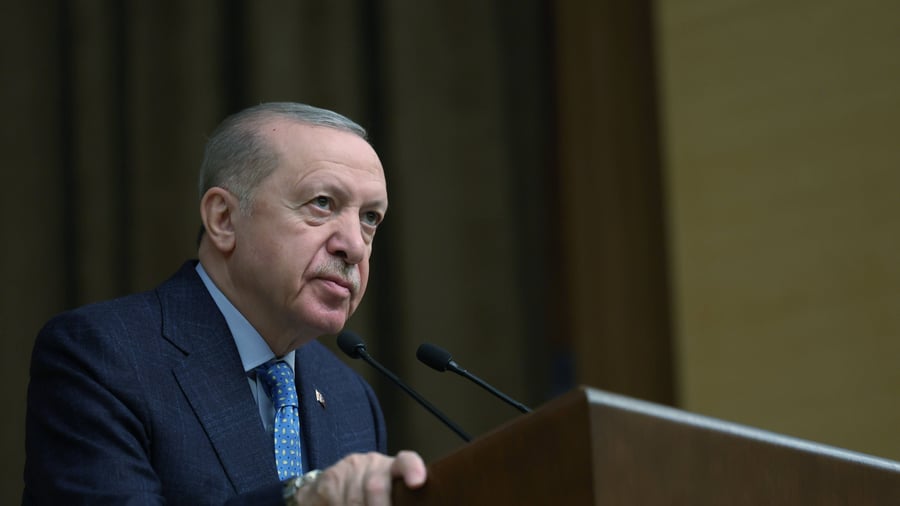
Turkish President Recep Tayyip Erdogan announced the discovery and exploitation of two additional oil fields in the southeast of the country, starting the UN Climate Change Conference (COP31) in Antalya. The Gabar oil field's production will increase by 30 percent due to new drilling, reaching over 100,000 barrels per day in the second half of 2027.
This announcement took place on the first day of the two-week conference, where nearly 190 nations discussed the gradual transition away from oil, gas, and coal as climate-damaging energy sources. Critics have long criticized Turkey's climate record, citing ongoing investments in fossil fuels. Urgewald, an environmental organization, recently accused the state-owned company Türkiye Petrolleri AO (TPAO) of "fossil ignorance," noting that the company's spending on new oil and gas discoveries has doubled over the past five years.
Experts argue that this undermines the credibility of the conference's host. Erdogan's remarks echo a controversial speech by Azerbaijani President Ilham Aliyev at the start of COP29 in Baku two years ago, who referred to Azerbaijan's oil and gas reserves as "a gift from God," emphasizing that no country should be forced to market these resources.
Erdogan stated, "From the mountains of Gabar come good news." Gabar, located in southeastern Anatolia's Sirnak province near the Iraqi and Syrian borders, was previously estimated to have reserves of 150 million barrels, with a daily production of 120,000 barrels potentially bringing the Turkish economy $4.4 billion annually. Turkey is nearly entirely dependent on energy imports, consuming around 1 million barrels daily, with about 90 percent imported.
However, Ankara aims to reduce daily oil consumption by around 30 percent by 2040 through investments in electricity generation and infrastructure.
Written by urgent.news from Handelsblatt's reporting — not their text. Machine-written — may contain errors; check the original before relying on it.