Efferon raises €4.3M to expand sepsis treatment technology into new markets
Efferon, a biotech company developing hemoadsorption devices designed to remove endotoxins and excessive inflammatory mediators from the bloodstream, has raised €4.3 million from existing private inve...
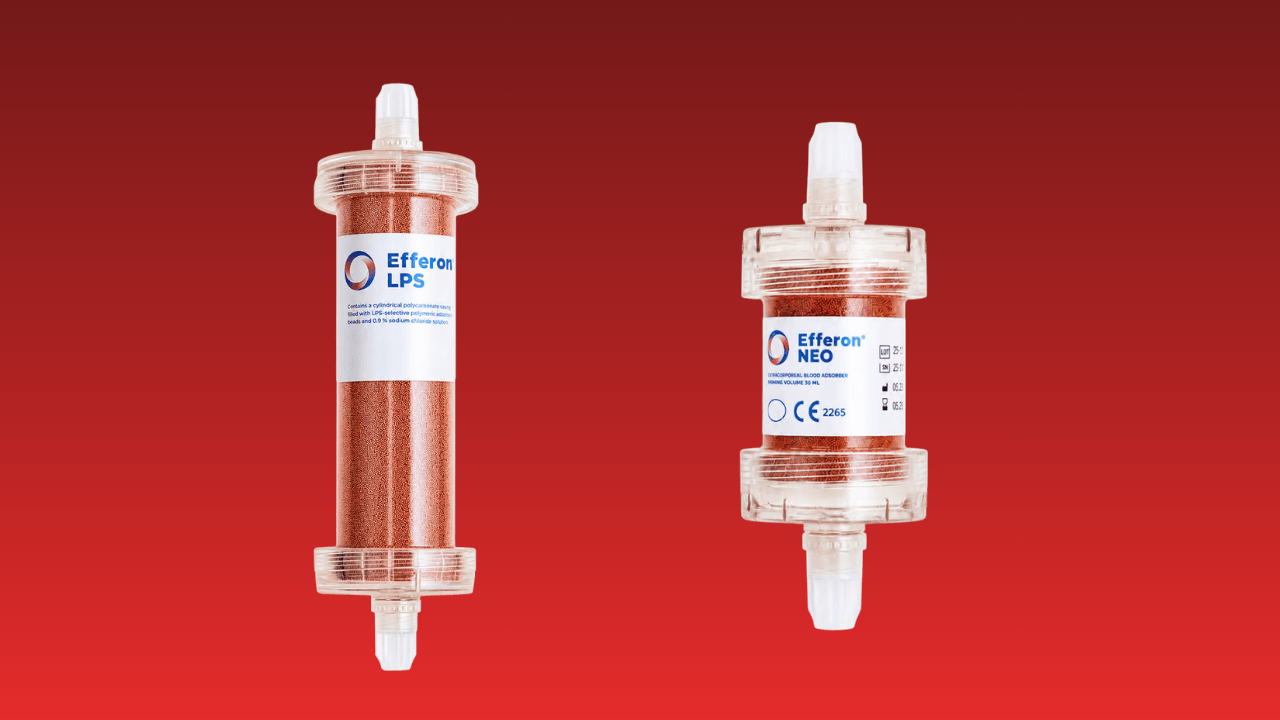
Efferon, a biotechnology company creating devices for removing harmful substances from the bloodstream, has secured €4.3 million in funding from private investors in the DACH region. The company's technology, already in use for treating sepsis and septic shock across Europe, is now set to expand into new markets.
Over 30,000 treatments have been conducted using Efferon's devices, which are distributed in 46 countries. The funding will be used to commercialize Efferon's products, such as Efferon LPS and Efferon NEO, across Europe, India, and Latin America. This investment will also bolster the company's network of 21 distributors, advance regulatory efforts, and enhance its clinical evidence base.
Efferon's products are currently available in 46 countries, with 2025 revenue surpassing €1.1 million. The company projects €5 million in ICU product revenue for 2027, with outpatient products potentially contributing up to €3 million.
The new funding will also support research and development for new devices and applications of the technology in other medical fields. Efferon plans to use the money to expand its distributor network, train medical teams, and strengthen its clinical evidence. These developments are expected to pave the way for a Series A round and progress along the regulatory pathway in the United States.
In India, Efferon aims to integrate commercial distribution with the collection of real-world implementation data. This will help the company understand how the technology fits into clinical workflows, how medical teams are trained, and what factors influence adoption. This information will guide Efferon's strategy for introducing hemoadsorption technology to other healthcare markets.
Ultimately, Efferon seeks to make hemoadsorption more accessible to hospitals and patients, supporting efforts to reduce sepsis mortality and improve overall healthcare.
Written by urgent.news from Tech.eu's reporting — not their text. Machine-written — may contain errors; check the original before relying on it.