Drought reshapes livelihoods of Kenya’s Daasanach pastoralists, study finds
The Daasanach people in the Turkana Basin of northern Kenya experienced the worst drought in 40 years between November 2020 and March 2023. The Daasanach are pastoralists who have lived semi-nomadically for roughly 6,000 years, supported by herds of livestock including cows, camels, donkeys, and goats. A group of researchers worked with the Daasanach to […]
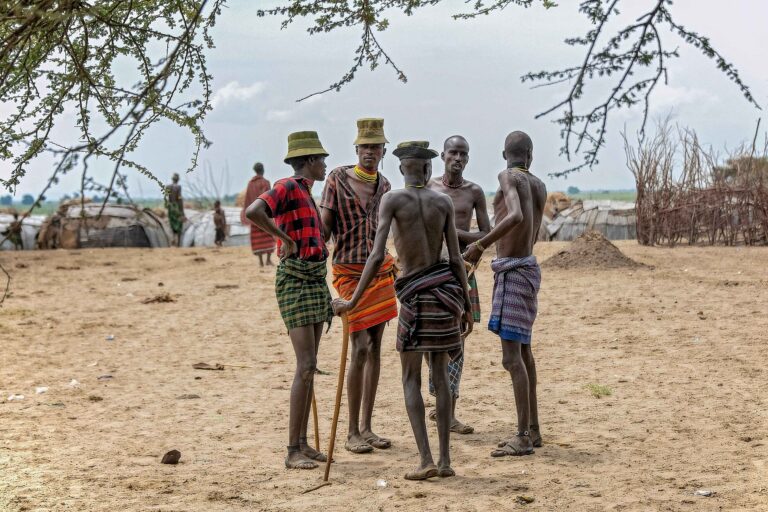
The Daasanach people, an indigenous pastoralist community in Kenya's Turkana Basin, faced the most severe drought in 40 years from November 2020 to March 2023. These semi-nomadic people have sustained themselves through livestock such as cows, camels, donkeys, and goats for around 6,000 years. Researchers collaborated with the Daasanach to examine the impact of the drought on their cultural practices and access to food.
The study focused on 515 adults and 384 children from communities around Lake Turkana in Kenya. The findings showed that livestock herds dwindled drastically during the drought, with family households experiencing a significant reduction in the number of sheep, goats, and cows by 2022 and 2023. Specifically, the average number of livestock per household dropped from 24 before the drought to just eight during the worst periods.
As the livestock population diminished, Daasanach families began migrating to the town of Illeret in search of food aid. This shift was prompted by the necessity to secure sufficient food for their families. The drought exacerbated the nutritional situation of the Daasanach, with children experiencing poorer nutrition when they lacked access to milk and meat. The research highlighted that children with regular milk consumption had significantly better nutritional outcomes compared to those without such access.
The study also underscored the growing water insecurity during the drought, which further complicated the already difficult food security situation faced by the Daasanach. Understanding the Daasanach's lived experiences is crucial, as it provides valuable insights into their resilience and adaptation strategies in the face of environmental challenges.
Written by urgent.news from Mongabay's reporting — not their text. Machine-written — may contain errors; check the original before relying on it.