Distro choice doesn’t matter anymore, and that’s why 2027 is the year Linux finally goes mainstream
Picking your distro used to be the hard part, but it doesn't matter nearly as much as it once did
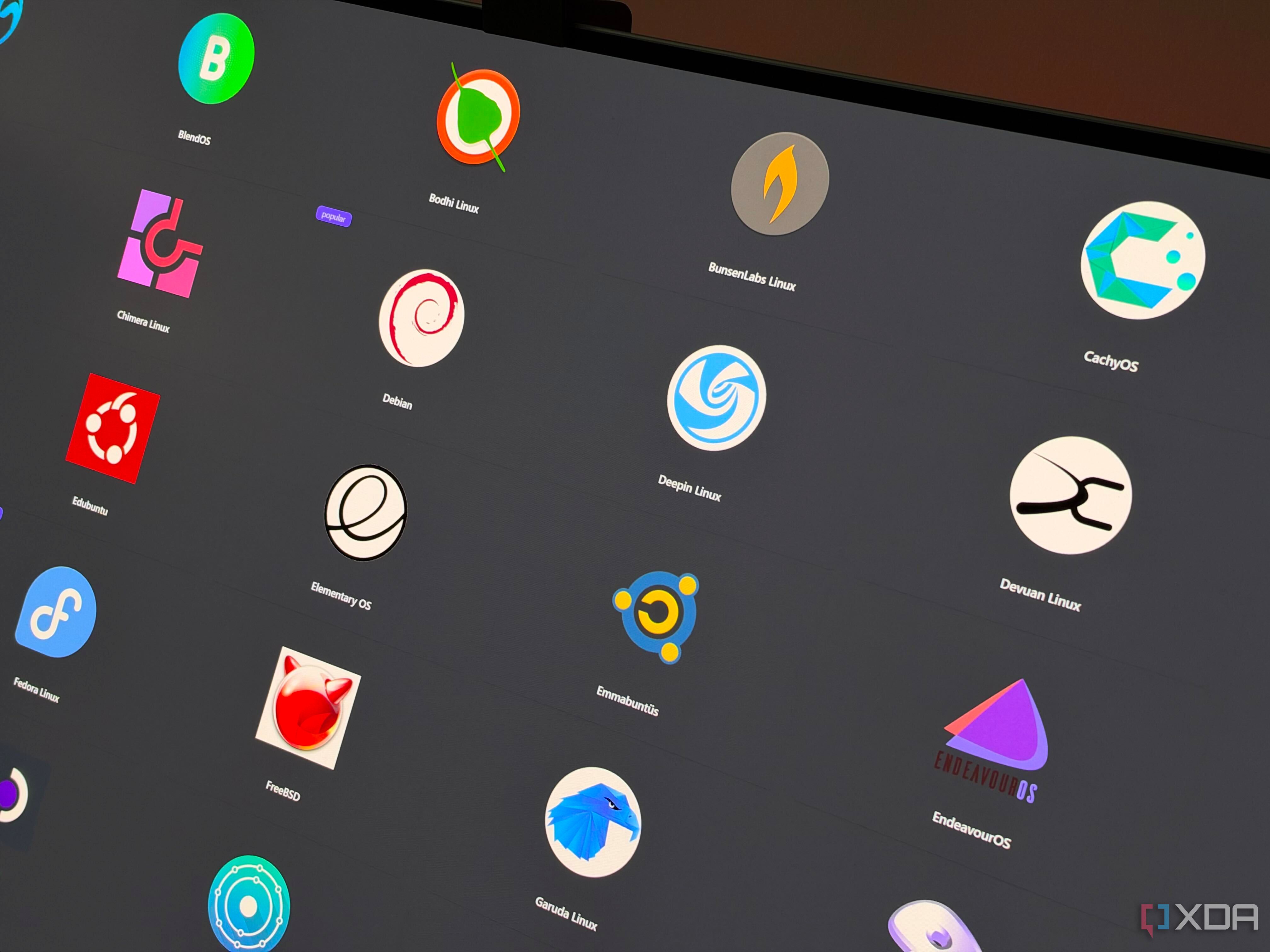
Choosing a Linux distribution is no longer a major factor in the operating system's adoption, which is why 2027 could be the year Linux goes mainstream. Early Linux adopters often faced difficulties such as compatibility issues with Wi-Fi cards or games, but the situation has improved significantly. I have experimented with numerous Linux distributions over the years and eventually settled on CachyOS due to its niche advantages, though these were specific to my personal needs.
For users who prefer Ubuntu or Fedora, the user experience on those distributions can closely match that of CachyOS, with the only difference being the default settings that can be easily altered. This shift in user experience, rather than an individual distribution becoming superior, is what makes 2027 a potential turning point for Linux's mainstream popularity.
Today, users typically interact with various components of a Linux system that are not confined to a single distribution. A prime example is Flathub, a shared app store that functions across various distributions, ensuring consistent installation and behavior of applications like Firefox, OBS, and Discord, regardless of the underlying distribution.
For gamers, the Steam platform adds another layer of compatibility through its Proton compatibility layer, allowing Windows games to run with standardized libraries across different Linux distributions. On my system, the host distro supplies the kernel, graphics drivers, and core services, while GPU drivers remain consistent across distributions due to the shared upstream kernel and Mesa code.
As a result, the host distro mainly provides the kernel, graphics drivers, and core services, while the user experience largely remains consistent across dozens of distributions. While there are still day-to-day differences between distros, such as the primary package format (e.g., Snap on Ubuntu 26.04 or pacman on CachyOS), these distinctions are becoming less prevalent.
The upcoming SteamOS 3.8, designed for self-built PCs with AMD graphics, represents another significant shift. Although the distribution choice may be made before the user even considers it, the choice of distro is still made by the user. Valve's Steam Machine, launched in late 2026, runs SteamOS and extends its availability to self-built PCs with AMD graphics.
While the distribution's impact is diminishing, there are still factors to consider, such as the requirement for Secure Boot and signed kernels for Epic's anti-cheat system, which only covers major distributions like Canonical, Fedora, and Universal Blue. Nevertheless, the barriers to entry for Linux are decreasing, making it an increasingly attractive alternative to Windows.
Written by urgent.news from XDA Developers's reporting — not their text. Machine-written — may contain errors; check the original before relying on it.