Correcting quantum computer errors may be more complicated than expected
Correcting quantum computer errors is key for making the devices practical, but some types of errors, and the complications they could introduce, may be more likely to occur than we had thought
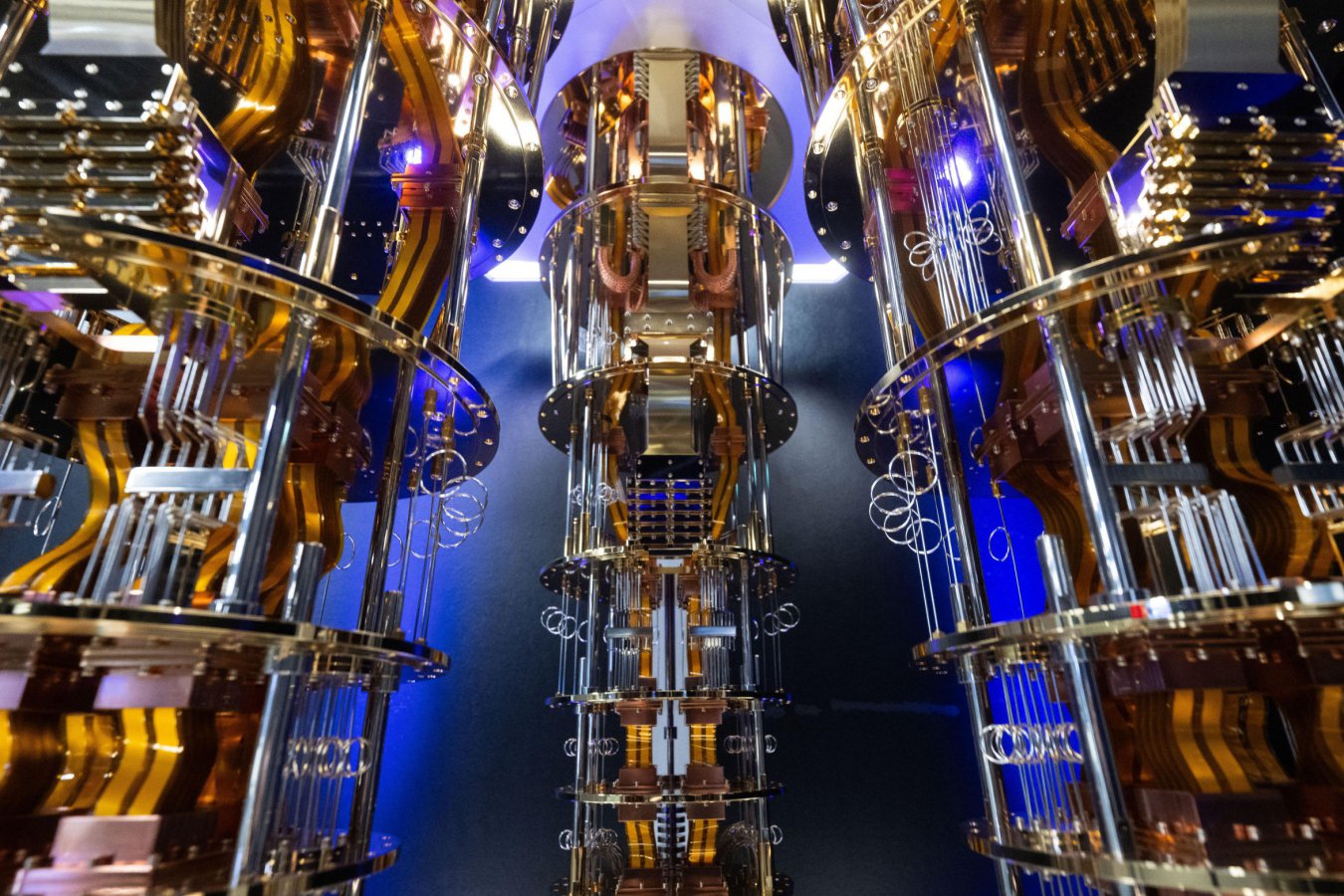
Quantum computers face significant challenges in correcting errors that arise naturally during their operation. Quantum error-correction (QEC) techniques have advanced, but recent studies reveal that the errors they must tackle are more complex than previously thought. Quantum computers consist of qubits, which make errors due to their sensitivity to environmental interactions.
Historically, researchers assumed that these errors were memoryless, an assumption known as the Markov assumption. However, recent experiments suggest that this assumption may be incorrect, as memory effects continue to appear in quantum computer systems. This discovery could pose new challenges for making quantum computers practical.
Memory effects complicate the operation of quantum computers because they can lead to different results when performing the same operation at different times due to the qubit's "memory" of its environment. While mathematical theorems suggest that quantum computers could reach fault-tolerance even with memory effects, the extent of these correlations and their impact on quantum computer performance remains an open question.
Researchers are now working to develop new QEC approaches that account for these correlated errors, but the situation remains uncertain, and the future of quantum computing may be impacted if error correction methods fail to account for these memory effects.
Written by urgent.news from New Scientist's reporting — not their text. Machine-written — may contain errors; check the original before relying on it.