COP needs a reality check
AS delegates attend the 31st cycle of the United Nations’ climate pageantry, officially known as the Conference of Parties (COP), in Antalya, a familiar fatigue hangs over governments worldwide.
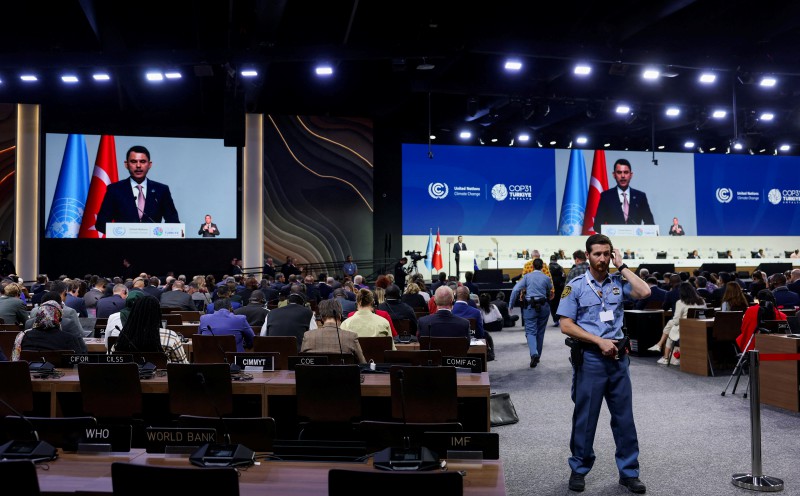
During the 31st cycle of the United Nations climate conference, formally known as the Conference of Parties (COP), held in Antalya, there is a growing sense of disillusionment among governments worldwide. Some question the efficacy of these talks, while others argue they are no longer necessary. While their concerns are valid, a more balanced perspective recognizes the limitations of the process while still striving for progress, no matter how incremental.
However, the influence of various interests has diluted the focus of climate multilateralism. The negotiation areas encompass both geopolitical and economic factors, highlighting the divide between the Global North and the Global South. Among these issues, corporate interests in the "just transition" agenda threaten climate multilateralism by shielding high-emitting fossil fuel producers from phase-out mandates.
Despite over 5,300 fossil fuel lobbyists attending between 2021 and 2024, outnumbering most countries, industry survival has been extended through semantics. This shift has allowed risky energy sources like hydrogen and questionable emission-reduction technologies to delay the pursuit of net zero. Moreover, the replacement of public climate finance with private finance endangers climate multilateralism by shifting the responsibility to private actors located in the Global North.
These private financiers operate under their own commercial rules and view Global South countries as high-risk investments, resulting in higher borrowing costs. This approach undermines the financial contributions required for climate action. Lastly, allowing trade protectionism to inform climate negotiations could fracture multilateralism by prioritising industrial competitiveness over planetary survival.
With differing perspectives between the Global North and the Global South, the clash of institutional motivations presents a risk of prioritising trade over climate justice. To avoid this, the dialogue must remain anchored in UNFCCC principles. Despite the challenges, the path forward for countries like Malaysia at COP31 in Antalya is to base their negotiation strategies on domestic realities and utilise the second Global Stocktake (GST-2) to expose policy loopholes exploited by Global North delegations.
Until climate multilateralism is addressed, Antalya will continue drafting elaborate mandates that fail to capture the essence of what could and should be done.
Written by urgent.news from New Straits Times's reporting — not their text. Machine-written — may contain errors; check the original before relying on it.