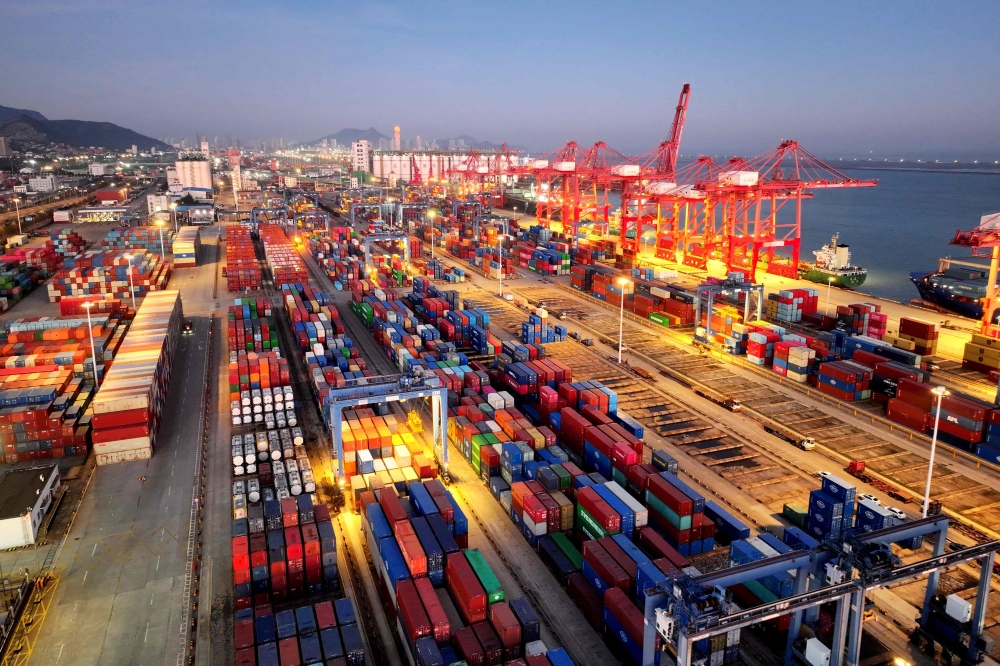
China hits $1 trillion trade surplus milestone for second year in a row
China's trade surplus surpassed $1 trillion in the first ten months, driven primarily by high-tech product demand. Exports increased significantly due to the global AI investment boom, although imports also grew faster than expected. Domestic consumption remains weak, which has pressured manufacturers to seek overseas markets for growth. Trade tensions with the European Union and the United…
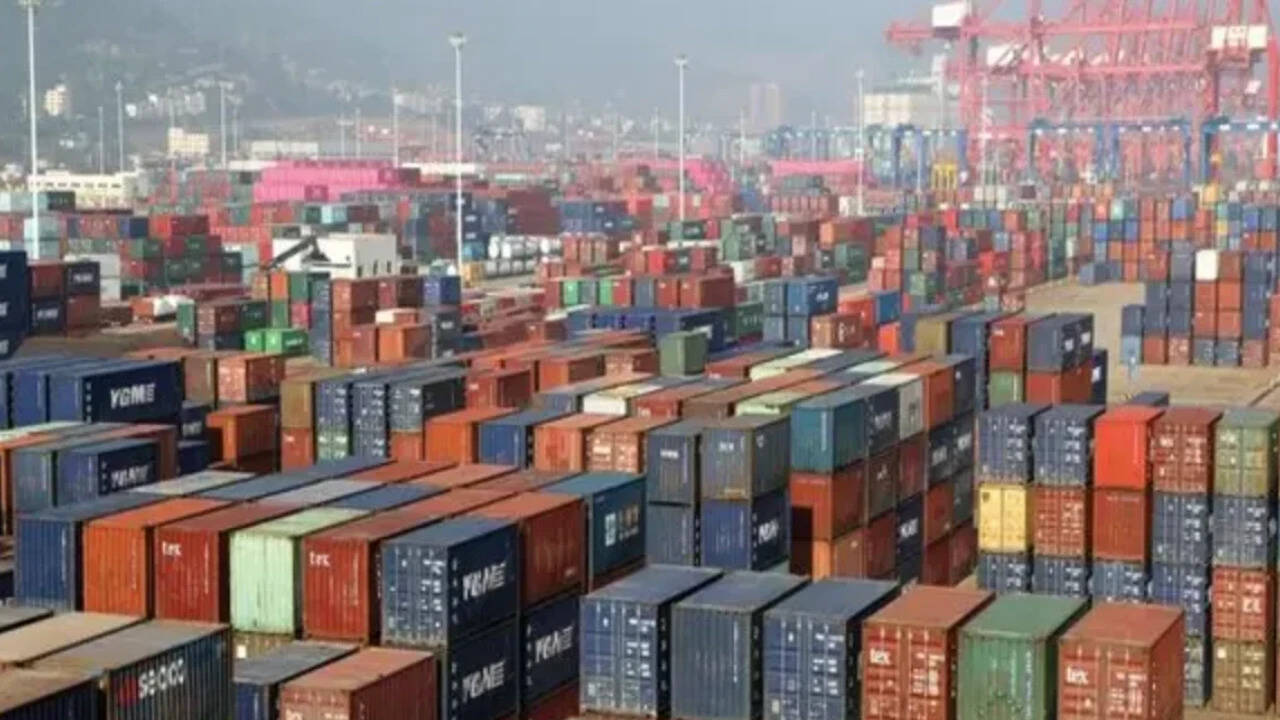
China's trade surplus reached $1.04 trillion between January and October, marking the second consecutive year it surpassed the $1 trillion mark. This surge was fueled by strong global demand for high-tech products, particularly in artificial intelligence (AI) infrastructure. However, domestic consumption remained weak, and a prolonged property market downturn contributed to the export-driven growth.
Exports increased by 35.2% in October compared to the previous year, slightly below September's 36.3% growth but higher than the 33.5% forecast by economists. Imports, however, grew by 41.6%, outpacing the 32% projection in the Reuters poll. Despite this increased import growth, China's trade surplus narrowed to $105.3 billion in October from $133.5 billion in September.
The export growth is largely attributed to the global push for AI infrastructure, with Chinese technology products, including semiconductors and electronics, seeing increased sales. However, the expanding surplus has raised concerns among trading partners, and trade tensions persist. Much of China's export growth is expected to continue into 2027, but the outlook will depend on the longevity of the AI boom.
Analysts warn that the widening surplus could intensify trade tensions, especially with the European Union, which has called for further restrictions on China. The US-China trade relationship remains uncertain, with China extending its trade truce with Washington for an additional two months. The meeting between US President Donald Trump and Chinese President Xi Jinping at the APEC summit in Shenzhen is expected to address this issue further.
Written by urgent.news from Times of India's reporting — not their text. Machine-written — may contain errors; check the original before relying on it.