Califórnia rejeita imposto sobre bilionários
Os eleitores da Califórnia rejeitaram na segunda-feira a Proposition 40, que criaria o primeiro imposto sobre grandes fortunas dos Estados Unidos, cobrando uma taxa única de 5% sobre o patrimônio de moradores do estado com mais de US$ 1 bilhão. Com cerca de 83% dos votos apurados, a proposta tinha apenas 47% de apoio. A definição levou quase uma semana depois da eleição porque a maioria do estado…
California voters on Monday rejected Proposition 40, a proposal that would have created the first-ever tax on billionaires in the United States, imposing a 5% one-time tax on the assets of state residents with more than $1 billion. With around 83% of the votes counted, the proposal had only 47% support. The definition took nearly a week after the election as most of the state votes by mail, and mailed ballots are accepted if they arrive within seven days of the voting day.
The proposal aimed to allocate the revenue from the new tax to healthcare, to offset federal budget cuts, and 10% would go to education and food programs. The United Healthcare Workers West union, which supported the measure, said it would be responsible for raising $100 billion in the next five years, essential to restore losses caused by federal health spending cuts.
Unlike income or sales taxes, which apply to financial flows, wealth taxes apply to asset portfolios, including commodities, shares in open and closed capital companies, real estate, and works of art. The defeat was good news for Governor Gavin Newsom, a potential Democratic presidential candidate in 2028, who was against the proposal.
The California Party, however, supported the measure. The campaign was marked by a huge disparity in resources between the parties: those against the proposal raised 10 times more money than those in favor. The Building a Better California committee, which also supported other proposals to reduce taxes in the state, raised over $333 million in this election cycle.
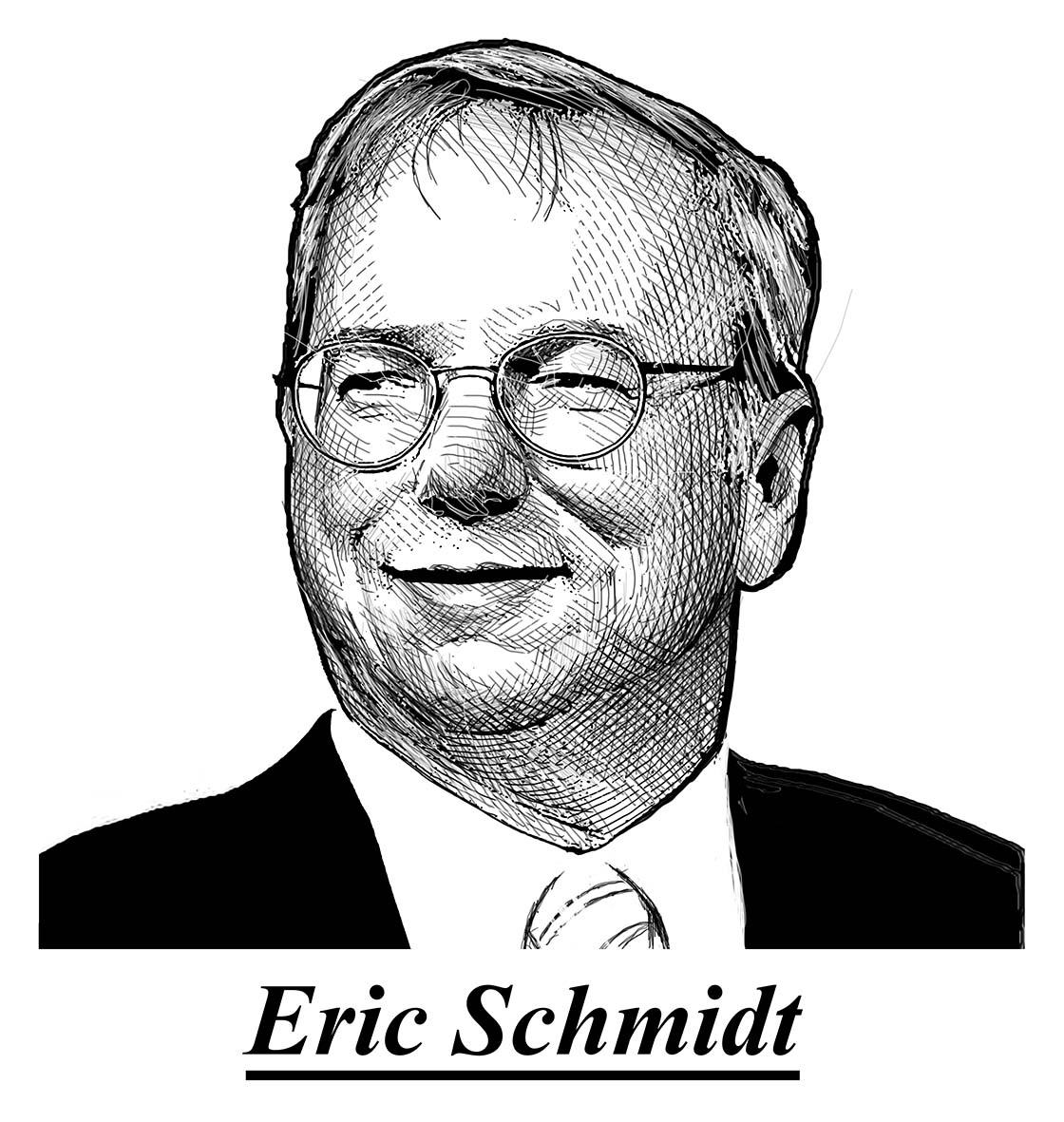
Of this total, about $45.6 million came from former Google CEO Eric Schmidt, while nearly a third came from Sergey Brin, the Google co-founder, who alone contributed over $100 million. According to the committee, Proposition 40 was an "imprudent experiment conducted on our state's economy, with little consideration for the harm it would cause" and that it "threatened to undermine California's economic advantage."
The pro-favor side relied on social networks and campaigns with influencers. During the dispute, billionaires moved in preparation for the implementation of the measure. Brin and Larry Page started cutting ties with the state even before the voting. Mark Zuckerberg said he would stay in California for eight years and closed a deal with Meta to help him pay the tax without losing his stake in the company.
In response to the proposal, billionaires also cast their ballots for Proposition 42, which would prohibit new wealth taxes in the state. The vote is still ongoing, with "yes" winning so far. Supporters of the proposal say voting against 40 and in favor of 42 will protect the retirement savings of middle-class citizens from future taxes.
The vote for Proposition 40 had a strong age and income skew, according to the Associated Press. Most voters under 30 voted "yes," while about 7 out of 10 voters aged 65 or older said they voted "no." About half of voters with a family income below $100,000 supported the measure, and nearly 6 out of 10 who earn $100,000 or more were against.
The topic is expected to return to the presidential campaign agenda in 2028. Newsom has already expressed support for a national tax on billionaires. Senator Bernie Sanders held rallies in Californian cities to urge votes for the measure, and Senator Elizabeth Warren also defended a federal wealth tax. Despite the proposal's defeat in California, its backers are already circulating ads in New Hampshire, New Mexico, and Virginia criticizing Newsom.
"Buying an election is not the same as winning the debate," said the supporters of the tax in a statement. "The billionaires may have bought a temporary victory at the polls, but they didn't buy the end of this debate, and this is just the first round."
Written by urgent.news from Brazil Journal's reporting — not their text. Machine-written — may contain errors; check the original before relying on it.