Biodiesel: Don’t move too fast, build the ecosystem first
Indonesia has ramped up its biodiesel blend to B50 from B30 just in four years, but feedstock, engines, forests and infrastructure have not kept pace. Brazil and Malaysia remind us why sequencing matters.
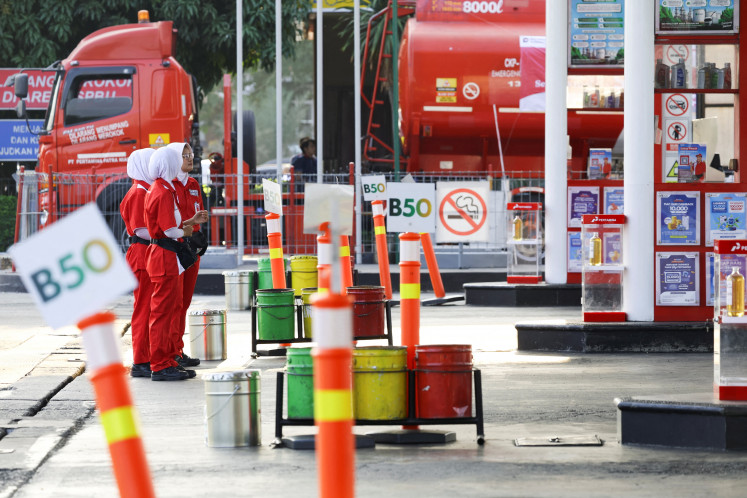
Indonesia has accelerated its biodiesel blend to B50 from B30 within just four years, but other aspects of the industry have failed to keep up. Brazil and Malaysia serve as cautionary tales on why sequencing matters. In July 2026, Indonesia officially began phasing in B50, a policy requiring half of every liter of diesel sold to contain palm oil-based biodiesel.
This dramatic increase follows a rapid series of steps from B2.5 in 2008 to B50 in 2026, with policymakers now eyeing B100. While the goal of energy self-sufficiency is laudable, it raises a critical question: is the broader industrial ecosystem prepared to handle this rapid transition? Plantations, the primary source of feedstock, are facing tightening conditions.
The Indonesian Palm Oil Association predicts that to meet the B50 target, roughly 17.4 million tonnes of crude palm oil will be needed in 2027, up from 14.69 million tonnes in 2026. Simultaneously, domestic CPO output could decline from 53.73 million to 51.73 million tonnes due to adverse weather patterns like El Niño, which could reduce palm oil exports by around 4.6 million tonnes.
This situation underscores the core conflict in Indonesia's biofuel strategy: how far can a mandate go before its consequences become unsustainable? While B50 strengthens domestic energy security, it may strain other sectors that rely on palm oil. Higher biodiesel usage in the fuel blend drives up demand for CPO, which is essential for cooking oil, oleochemicals, soaps, and cosmetics.
As more of the harvest is diverted to fuel, these downstream industries face stiffer competition and higher input costs. Financing also becomes a concern, as Indonesia relies on export levies to subsidize biodiesel. Increasing mandate targets could put undue pressure on this mechanism during periods of rising feedstock costs.
Written by urgent.news from The Jakarta Post's reporting — not their text. Machine-written — may contain errors; check the original before relying on it.
Also reported by 1 other outlet
- Biodiesel: Don’t move too fast, build the ecosystem first thejakartapost.com