Beyond the order: the logistics behind Pakistan’s export ambitions
For a Pakistani business looking to sell overseas, securing an international customer is only the beginning. Getting products across borders at a competitive price, navigating customs, managing payments and handling returns can determine whether an export order becomes profitable or an expensive exercise. These challenges are pronounced for small and medium-sized enterprises (SMEs) and emerging…
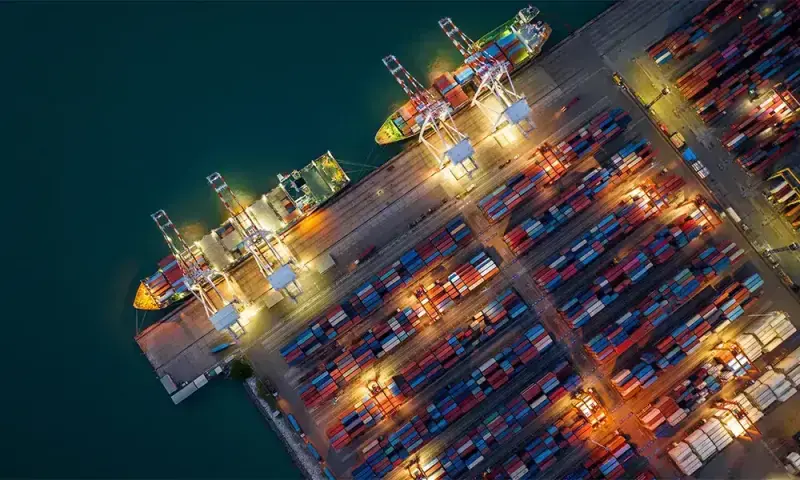
Securing an international customer is just the start for a Pakistani business looking to export goods. Getting products across borders in a competitive manner, managing customs, payments and returns can determine whether an export order is profitable or costly. Smaller enterprises and e-commerce brands often struggle with freight costs, customs regulations, and foreign exchange requirements.
Customs documentation and return policies add further complications, making international e-commerce challenging for smaller businesses.
To become truly export-capable, a business must develop an operation that can consistently serve international customers profitably. As companies grow, scheduled pickups, bulk processing, inventory coordination, technology integration and shipment visibility become crucial. Logistics must move from being an afterthought to an integral part of the company's operations.
SkyNet Pakistan, with over 133 Pakistani businesses in its network, helps textile exporters navigate the complexities of international trade. The company's work involves managing exhibition shipments, customs clearance, cargo coordination, and strict timelines. Their focus has shifted towards e-commerce, technology, fulfilment, partnerships, and SMEs.
Karachi and Lahore have seen growing freight volumes since 2023, with the United Kingdom remaining the largest international corridor. US business grew by approximately 89% in 2025, while Europe saw growth of around 173%. By September 2026, activity in both markets had reached or surpassed previous levels.
For Pakistan's export ambitions to succeed, the trade ecosystem must become more digital, standardized, and accessible. Customs and export documentation need to be user-friendly, while banking procedures and international receipts should be simplified without compromising compliance. Cost competitiveness remains crucial, as freight can account for a significant portion of an order's value.
Pakistani brands must also broaden their ambitions beyond the South Asian diaspora to tap into global demand and develop products for a wider audience.
Pakistan must look beyond individual courier rates and consider the full logistics ecosystem, including customs, payments, banking, logistics, fulfilment, and export readiness. Efficient shipping, fulfilment, and returns can significantly impact whether SMEs can compete internationally. The journey from the first international order to becoming a regular exporter involves overcoming numerous challenges, but making this process easier could transform individual opportunities into sustained growth for Pakistani exporters.
Written by urgent.news from Business Recorder's reporting — not their text. Machine-written — may contain errors; check the original before relying on it.