Labor law: Rich promotes longer working hours and less protection against dismissal
The Federal Minister of Economics is calling for more speed in reforms at the mechanical engineering summit. One topic: flexibilization of labor law.
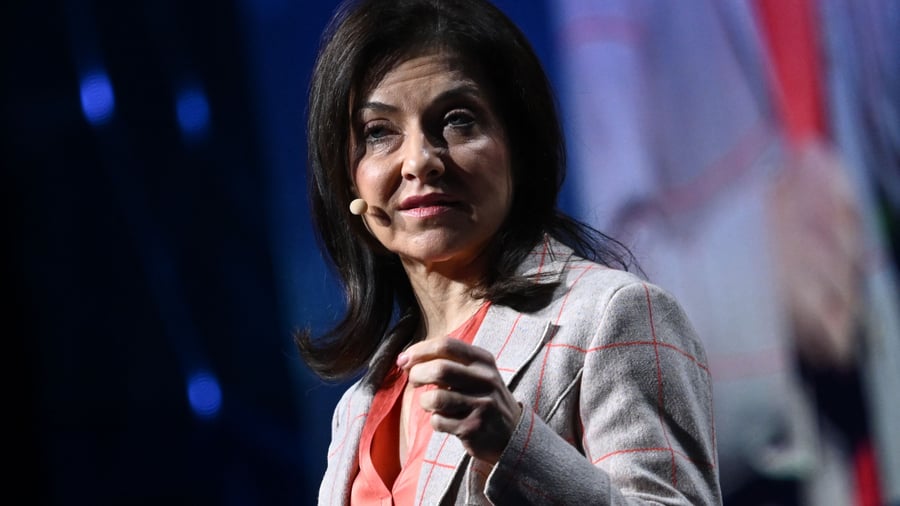
Berlin – Bundeswirtschaftsministerin Katherina Reiche has been advocating for changes to Germany's labor laws, emphasizing the need for increased work productivity. Speaking at a manufacturing summit in Berlin, the CDU politician argued that the country could only remain competitive if work output was improved. Reiche stressed that this meant not just longer working hours over a career, but also more time spent working each day.
She added, "We must discuss the issue of dismissal protection." While acknowledging employees' fears, Reiche noted that overly protective dismissal laws currently hinder meaningful change. "When the economic situation demands separations, it's a tough decision for both employees and bosses, but it clears the way for a company to continue and then grow again later."
Restrictive dismissal protection also prevents new ideas from entering businesses. Flexibility in the labor market is controversial within the red-green coalition. At the coalition's inception in July, top officials agreed to relax dismissal protection for high earners as part of a growth package. The coalition's guidelines state that the coalition agreed to allow a weekly rather than daily maximum working time in line with the European Working Time Directive.
However, unions oppose this, arguing that the 35-hour week is not a model solution for times of crisis.
Written by urgent.news from Handelsblatt's reporting — not their text. Machine-written — may contain errors; check the original before relying on it.