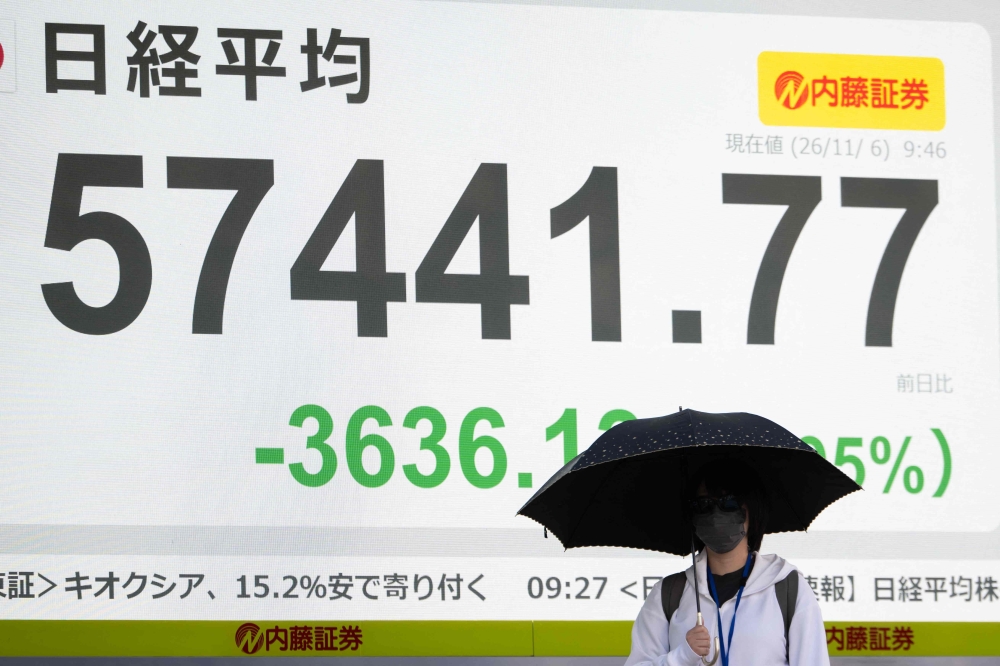
Analysis:Market rout tests BOJ's upbeat view of financial conditions
Recent market volatility has drawn attention to the Bank of Japan's assessment of financial conditions, a crucial element of its policy framework that could influence the timing and pace of interest rate hikes. Following a sharp decline in AI stocks, analysts anticipate the BOJ will maintain rate hikes, with the next increase potentially occurring in December.
However, the market's recent decline has challenged the central bank's belief that robust AI demand would bolster the economy through a wealth effect, providing households and enterprises with increased spending power. This has also highlighted the BOJ's reliance on financial conditions language, a gauge of how close its policy rate is to a neutral level, offering insights into the pace and timing of potential rate increases.
While the BOJ's alarm over inflation risks has dominated market discussions, the less scrutinized guidance on financial conditions may gain more attention if the AI market rout persists. Former BOJ official Tetsuya Inoue, now an executive economist at Sony Financial Group, noted that while the BOJ's view that financial conditions remain loose won't change immediately due to falling stock prices, persistent instability could dampen growth by dampening corporate sentiment and household spending from equity investments.
The BOJ has emphasized the need to continue raising interest rates to contain upside price risks and prevent underlying inflation from overshooting its 2% target. It has also justified rate hikes by citing loose financial conditions, citing low real borrowing costs, strong corporate funding demand, and rising bank lending. Additionally, the BOJ considers asset prices when evaluating financial conditions, as stock prices and exchange rates can significantly impact household and corporate spending.
Japanese households' stock holdings surged to 486 trillion yen ($3.08 trillion) in June, representing 19.3% of their total wealth, a 47% increase from the previous year. The BOJ's recent policy meeting revealed a divide among board members regarding the current financial conditions, with some arguing that the impact of prior rate hikes is minimal, while others express concerns over potential growth setbacks.
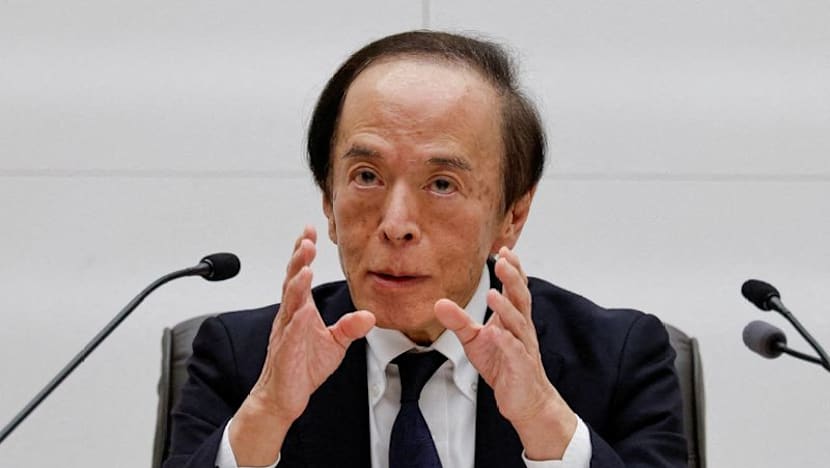
The BOJ's upcoming Governor Kazuo Ueda's speech on November 30, which precedes the December 17-18 policy meeting, will be crucial, as it may signal whether the central bank considers tightening financial conditions due to the market rout, according to sources familiar with the BOJ's thinking.
Written by urgent.news from Channel News Asia's reporting — not their text. Machine-written — may contain errors; check the original before relying on it.
Also reported by 1 other outlet
- Analysis:Market rout tests BOJ's upbeat view of financial conditions channelnewsasia.com