AI is changing cancer treatment — and a new breakthrough shows just how far we've come
AI is transforming cancer research, from Google's AlphaFold to personalized vaccines. Here's what recent breakthroughs mean for future treatments.
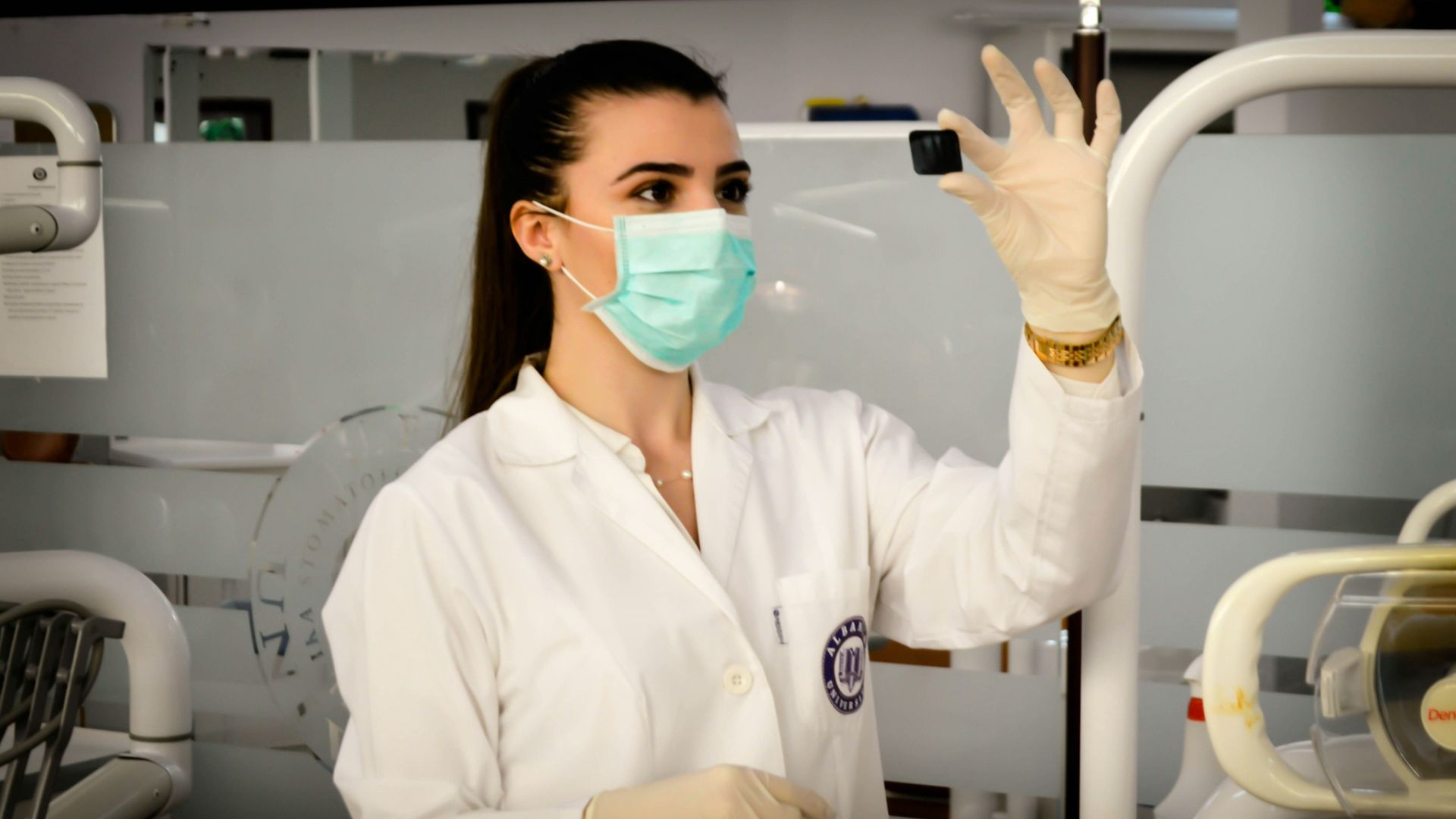
Artificial intelligence (AI) is revolutionizing cancer treatment by enabling more personalized therapies that have the potential to significantly improve patient outcomes. Researchers are leveraging AI to understand cancer at a molecular level, tailoring treatments to each individual's unique genetic makeup. This shift marks a departure from the one-size-fits-all approach, where patients with the same type of cancer received the same treatment.
Recent phase 3 clinical trial results showcasing the effectiveness of a personalized cancer vaccine developed by Moderna and Merck have demonstrated the potential of AI-driven personalized medicine. The vaccine, when combined with immunotherapy drugs like Keytruda, reduced the risk of melanoma recurrence or death by 42% compared to Keytruda alone. While the vaccine is not yet FDA-approved, these results highlight the benefits of personalized cancer medicine.
AI also plays a crucial role in understanding the genetic differences between patients' tumors. Unlike traditional treatments, where two people with the same diagnosis often respond differently to the same medication, AI can analyze vast amounts of genetic information to identify unique characteristics of a patient's tumor. This allows doctors to select the most effective treatment for each patient, reducing the trial-and-error approach that has long been a challenge in cancer treatment.
Google DeepMind's AlphaFold AI system has also made significant strides in drug discovery. By predicting the three-dimensional structures of proteins, which play a central role in cancer development and progression, AlphaFold can significantly speed up the identification of potential drug targets. Although AlphaFold cannot automatically create a safe or effective cancer drug, it can help predict whether predicted interactions would work in laboratory experiments and eventually in patients, potentially saving researchers valuable time during the earliest stages of drug development.
However, despite these advancements, there are still significant challenges to overcome. Clinical trials remain essential for validating promising treatments and ensuring their safety and efficacy. Practical issues, such as the costs of genetic testing, access to specialized facilities, and the reliability of AI systems across different patient populations, must also be addressed.
Nonetheless, AI is giving scientists powerful new tools to study cancer, identify potential drug targets, and predict which treatments may work best for individual patients, ultimately paving the way for more effective and personalized cancer therapies.
Written by urgent.news from Tom's Guide's reporting — not their text. Machine-written — may contain errors; check the original before relying on it.