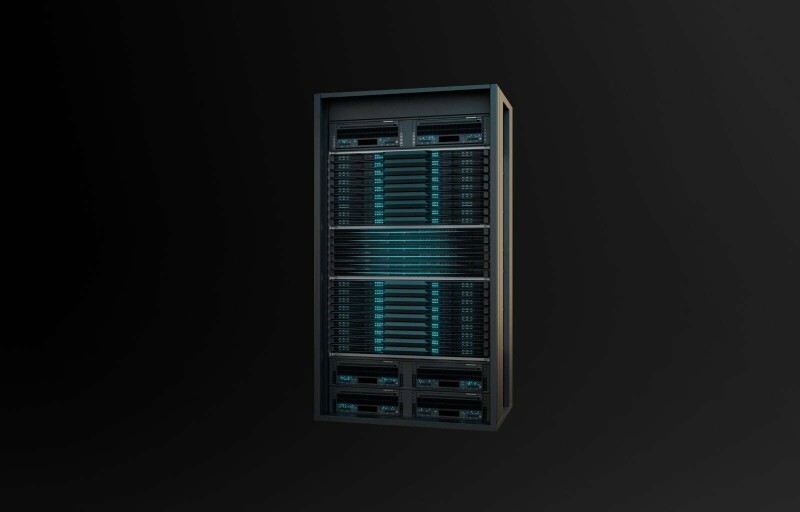
A closer look at Verano, AMD's first step toward a Zen-based superchip to rival Nvidia's Vera Rubin
Cores, clocks, memory, and interconnects all perfectly balanced for a singular mission: keeping instinct fed.
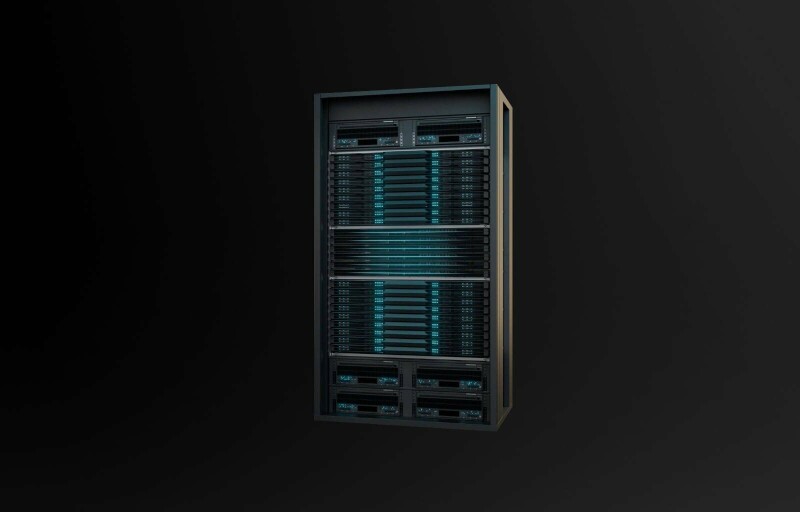
AMD's Verano processors are a new step toward creating a superchip that can compete with Nvidia's Vera Rubin. Unlike regular Epyc CPUs, Verano is specifically designed for GPU servers. Madhu Rangarajan, AMD's CVP of compute and enterprise AI products, described Verano as the first step towards building a system that resembles Nvidia's Vera Rubin superchips. Verano is intended for an integrated CPU+GPU rack scale solution, making it a competitor to Vera+GPU rather than just a competitor to the CPU itself.
Verano uses AMD GPUs, notebook memory, and a BGA package instead of conventional RDIMMs. This design choice emphasizes the chip's focus on feeding its GPUs, rather than general-purpose workloads. The chip features six or 192 high-frequency cores, with a peak theoretical memory bandwidth of around 800 GB/s – half of what AMD's top Venice parts can do and about 66 percent of Nvidia's Vera.
While Verano has a 30-40% reduction in power consumption compared to RDIMMS, it also comes with some limitations, such as being soldered to the board and having a more compact footprint for liquid cooling.
Written by urgent.news from The Register Science's reporting — not their text. Machine-written — may contain errors; check the original before relying on it.
This story
This is one outlet's version. Read the fullest account.