2 years after Mexico relocated their climate-ravaged community, residents struggle to adapt
Lessons learned from a rushed resettlement in Mexico underscore what governments owe to climate-displaced communities — not only after homes wash away, but also long before.
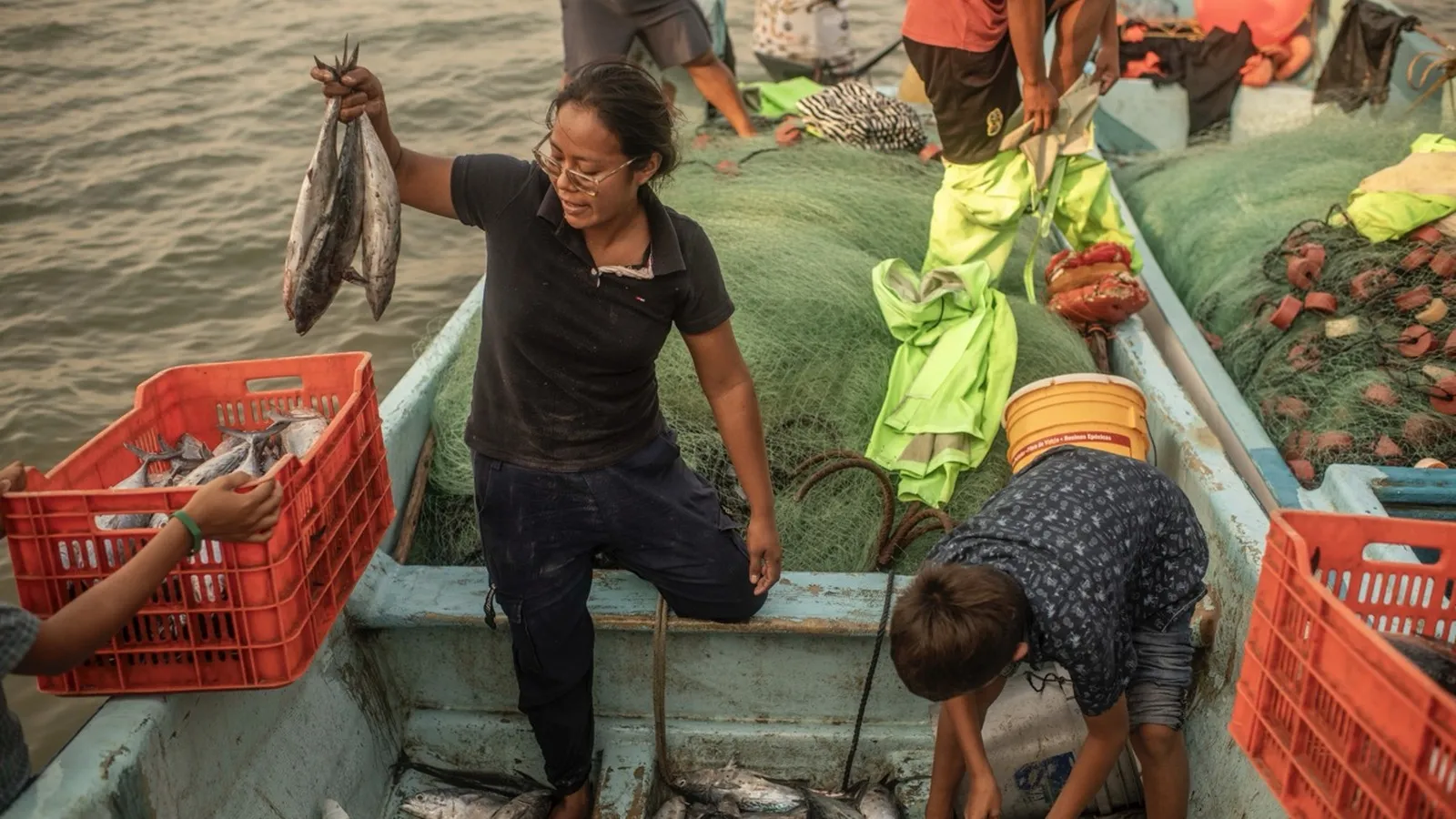
It's early morning in El Bosque, Mexico, and the beach is alive with chatter and laughter as residents greet fishermen returning from their day's work. Viviana Velázquez, 38, and her 13-year-old daughter Marlene help unload the catch of bonito, earning Velázquez a small sum of money. Fishing, known locally as garrulear, was a vital source of income, food, and community connection for decades.
However, rising sea levels due to climate change have forced the community to relocate. In 2023, El Bosque became the first Mexican community recognized as displaced by climate change, and in 2024, 51 families were relocated to a new neighborhood called Nuevo Bosque, 7.5 miles inland. Despite finding a safe space, residents like Velázquez are struggling to adapt to the economic, social, and cultural losses from leaving their beloved coastline.
Fishing is not just a job but a core part of their identity, and the distance to the sea and their friends is causing grief and stress. The community faces the threat of further flooding, with ecologists predicting the river and sea will eventually merge, potentially submerging the entire area within a decade. The IPCC warns of a global sea level rise of 15-30 centimeters by 2050, endangering millions of people in low-lying coastal areas.
International law requires states to protect their communities and implement climate adaptation measures, but some residents remain excluded from the relocation and are unaware of their rights.
Written by urgent.news from Grist's reporting — not their text. Machine-written — may contain errors; check the original before relying on it.