Why Do We Love Lights So Much? The Science Behind Our Fascination
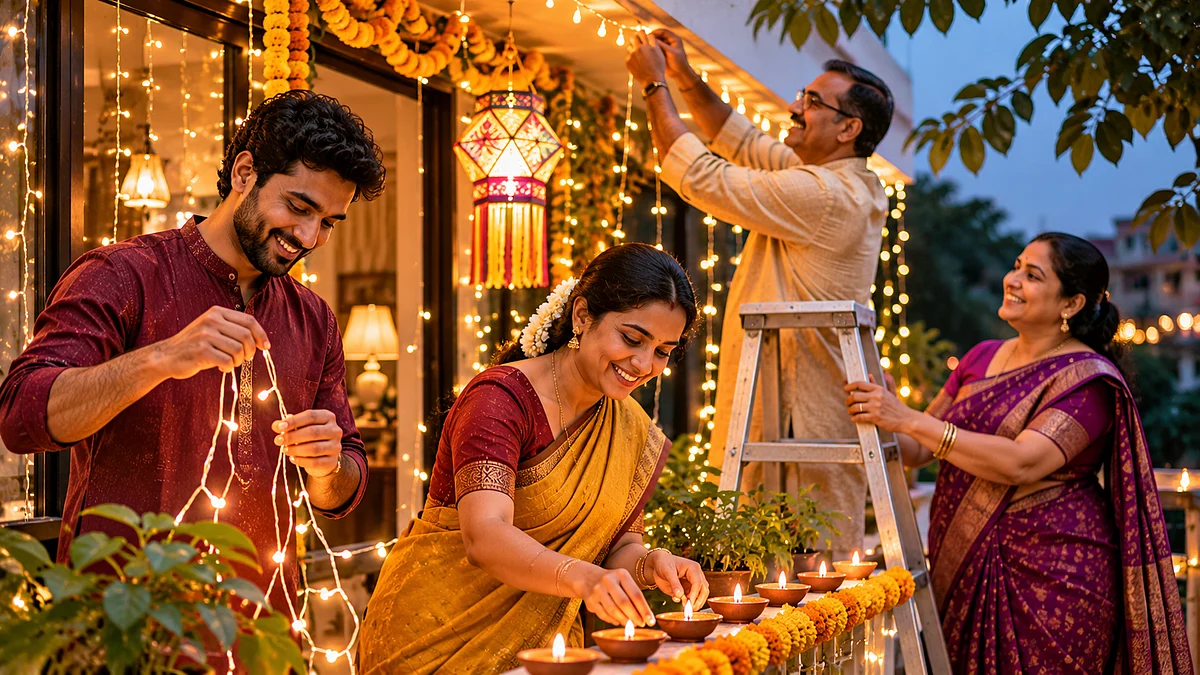
It starts with a single diya. Then a string of fairy lights. Then an entire street glitters. Every Diwali, our cities transform into a constellation of warm yellows, fierce reds and twinkling golds. We stop, we stare, we smile. And we photograph it. But why? Why does a child stand transfixed before a fairy light curtain, and why does that same child — now grown up — feel a rush when thousands of…
The fascination with lights during festive occasions, such as Diwali, transcends mere aesthetics. This allure is rooted in biological, psychological, and cultural aspects. Light not only pleases the eyes but also stimulates neurons in the brain, affecting our mood, alertness, and sleep patterns. Dr. Pavitra Shankar, a psychiatrist, explains that light impacts serotonin and melatonin levels, regulating our emotional state, energy levels, and sleep-wake cycles. Bright, warm light can make an environment feel inviting, animated, and emotionally soothing.
Psychologically, light signifies safety, as visibility reduces uncertainty. Darkness once meant threat, while light indicated safety and the ability to gather and be secure. Festive light displays, like Diwali's colorful surroundings, diyas, and decorative lights, evoke feelings of celebration, togetherness, and positivity. These visual cues trigger positivity, stir memories, and foster a sense of unity.
The awe inspired by watching lights is a blend of evolutionary wiring and learned emotion. Early humans associated warm light sources with warmth, safety from predators, and the ability to see, an association that persists today. However, there is another layer: nostalgia. Lights often take on emotional significance over time, evoking feelings of happiness, nostalgia, and security. Thus, both a child and an adult, upon seeing fairy lights or concert lights, experience wonder, albeit through different perspectives.
Colors further amplify this fascination. Warm colors like yellow, orange, and gold are comforting and festive, while blue can be calming. Red can be energizing and stimulating, and green can be fresh and balanced. Yet, our perception of colors is also shaped by culture and personal experiences.
Concerts utilize lighting differently from Diwali celebrations. While Diwali focuses on intimacy, concerts aim for immersion. Lighting design plays a crucial role in concert experiences, with color transitions serving as emotional cues. For instance, a warm, golden wash might evoke a sense of closeness during a soulful ballad, while sudden blackouts followed by strobe-heavy, multi-colored bursts can create collective euphoria.
The goal is to turn a performance into an immersive experience, making the audience feel every moment of the music.
This emotional connection between light and human experience is evident in both Diwali and concert settings. Whether it's the warmth of a diya or thousands of lights illuminating a concert arena, light creates an atmosphere that evokes emotions. Today's audience seeks not just good sound but also world-class lighting design, as they remember not just the music but also the emotional impact of the experience.
Teachers observe the immediate and visible impact of light on students during festive occasions like Diwali. The shift from the routine of blackboards and benches to a brightly lit classroom creates a sense of belonging and positivity. Children feel that something special is happening, breaking the monotony and making learning more engaging. Even outside festivals, the warmth of sunlight makes students more attentive, creative, and willing to share.
Written by urgent.news from Free Press Journal's reporting — not their text. Machine-written — may contain errors; check the original before relying on it.