When Writers Lose Faith in Free Speech
Writers have to maintain an inner distance from external demands, including the demands of politics.
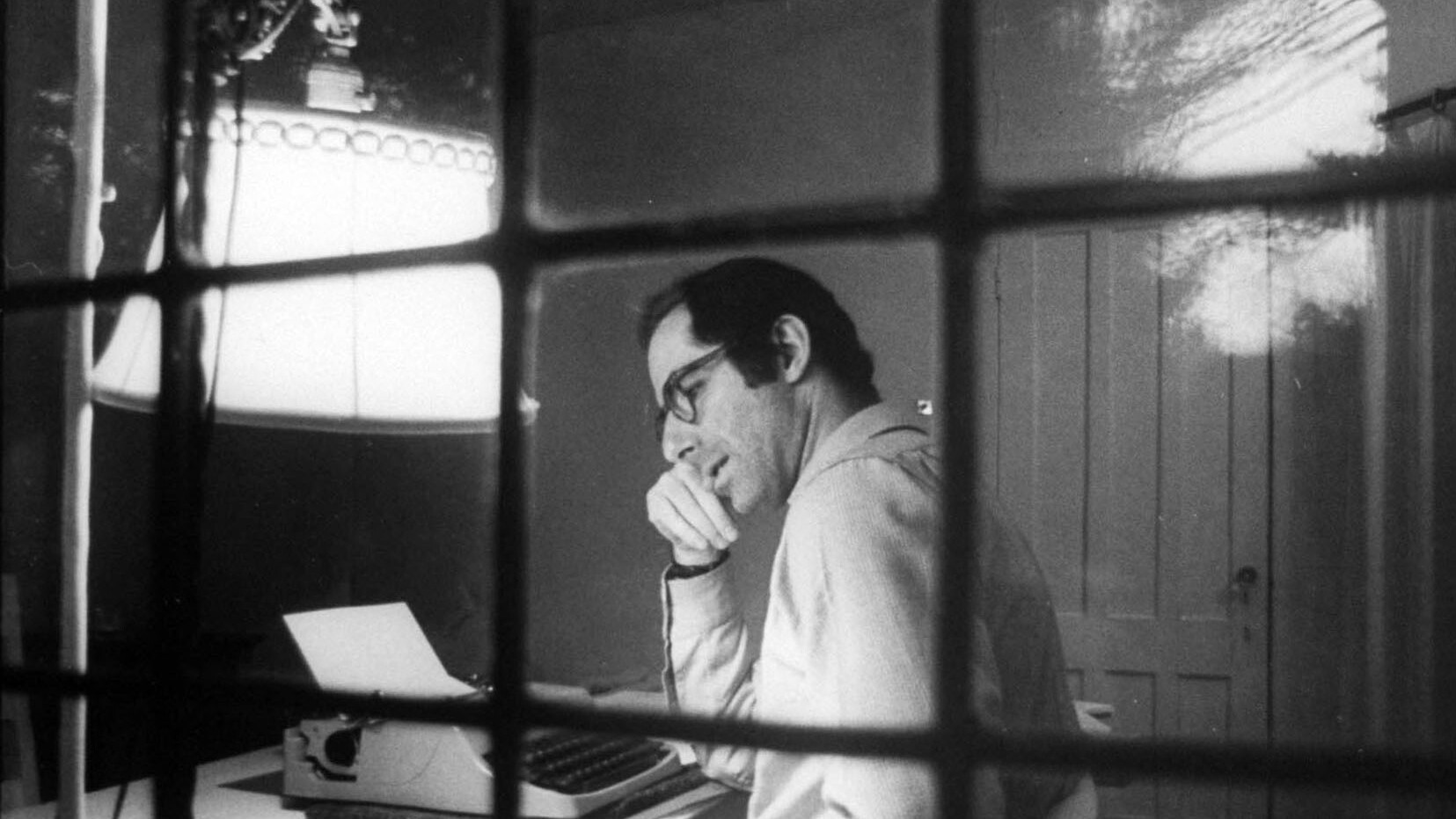
When writers lose faith in free speech, George Packer reflects on the significance of the novel and its role in expanding human understanding. Packer, an Atlantic staff writer, delivers the Newark Public Library’s annual Philip Roth Lecture. Roth, a prolific novelist, devoted his life to writing and experimented with his craft, pushing readers to see beyond the surface of their lives.
The novel, with its ability to explore moral struggles and human experiences, has coincided with the centuries of democracy. Packer argues that no other form of literature is as concerned with the moral dilemmas of individuals amidst social forces.
Roth's career was marked by controversy, including a short story titled "Defender of the Faith" published in The New Yorker that faced criticism from Jewish readers for its portrayal of a Jewish character. Young Roth responded by challenging the critic's right to silence him. Throughout his career, Roth balanced the need for creative freedom with the responsibility of being a citizen and a writer.
He also stood up for the freedom of other writers, such as Milan Kundera and Salman Rushdie, by taking steps to ensure their works could reach a wider audience. Roth's dedication to writing was unyielding, and he could not tolerate any attempts to silence him.
In today's context, Packer raises concerns about the weakening of the culture of free expression. He cites examples of censorship, including government actions to restrict speech and the spread of propaganda on social media. However, he emphasizes that free speech is not solely dependent on the law, but also on a shared culture of tolerance and respect for diverse viewpoints.
Packer believes that writers, who have long been targets of censorship, now find themselves in the role of critics against whom the same forces operate. He urges readers to reflect on why free speech seems weaker and to actively cultivate an environment that encourages open dialogue and acceptance of differing opinions.
Written by urgent.news from The Atlantic's reporting — not their text. Machine-written — may contain errors; check the original before relying on it.