Waghoba Habitat Foundation Is Using Indigenous Knowledge to Conserve Aarey Forest and Financially Empower the Tribal Communities (VIDEO)
What began as a group of people coming together to plant trees in Aarey Forest during the Covid-19 lockdown has evolved into an initiative that seeks to change the way people understand and practise conservation. For Sanjiv Valsan, founder of Waghoba Habitat Foundation (WHF), protecting a forest cannot be separated from protecting the communities that have lived in and cared for it for…
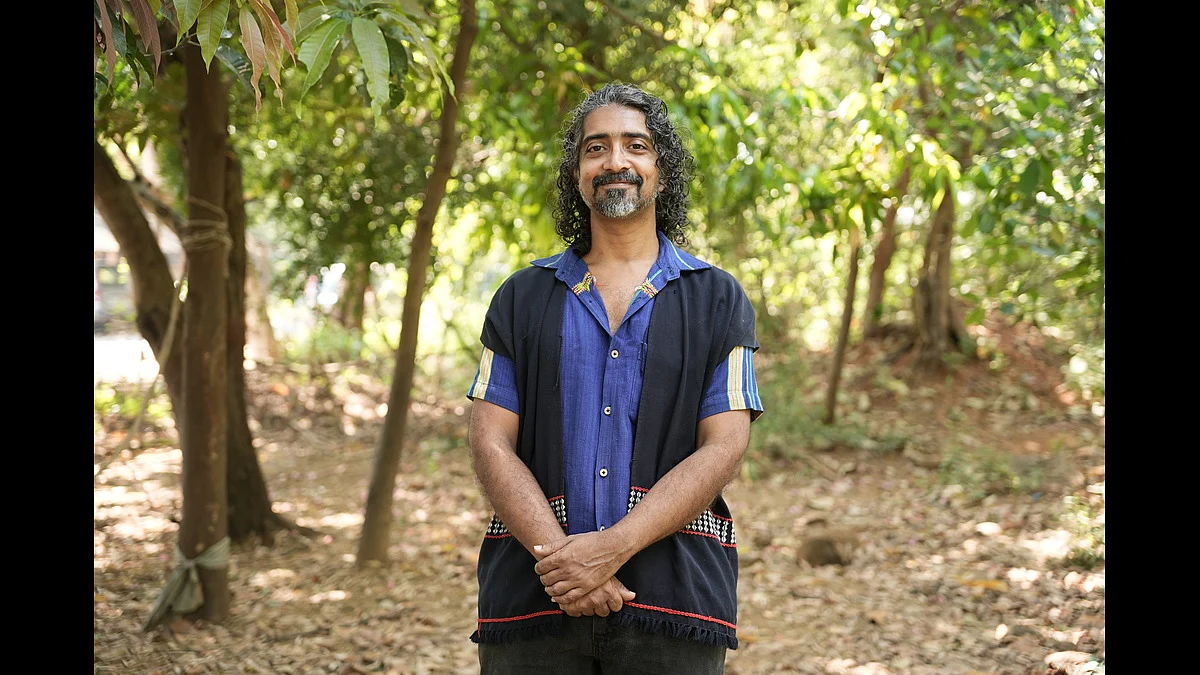
Waghoba Habitat Foundation (WHF) is a conservation organization that utilizes indigenous knowledge to protect the Aarey Forest and financially empower tribal communities. Founder Sanjiv Valsan explains that the foundation's mission is to promote human-nature coexistence in urban settings. WHF works as an urban-tribal coalition, combining the efforts of indigenous communities, conservation practitioners, urban stakeholders, and mainstreame to create a shared approach to conservation.
Initially, WHF focused on tree plantations, but they realized that planting trees without considering local ecology or community needs was insufficient. The team began consulting Adivasi communities about the trees they wanted to grow, preferring grafted fruit trees that grow and bear fruit faster, providing food and an additional source of livelihood.
They also encouraged planting native species with long-term ecological benefits, such as Mahua, a tree significant to the Warli Adivasis that once constituted nearly 30 per cent of their diet.
The foundation convinced communities to plant Mahua despite its long wait time for producing flowers and seeds by combining it with fruit-bearing species, creating a balance between livelihood needs and ecological restoration. WHF has also established a sacred grove, Tatachi Vanrai, in Chinchwadi, near Karjat, to protect the forest and its resources.
Another crucial aspect of WHF's work is the wild foods lab in Aarey, which draws on indigenous knowledge and traditional practices to explore the uses of forest produce and develop products derived from those resources. Mahua is one such product, with WHF creating items like Mahua butter, mosquito repellent, oil, and pickles using the tree's flowers, seeds, and oil.
The foundation has also worked with experts from outside the community to develop products like Korean-style sweet ferments using forest produce and fermented by a chef from Cyprus.
In terms of education, WHF offers forest walks and workshops that expose urban residents to the Adivasi communities, teaching them about edible forest plants, wild foods, and medicinal plants. Participants engage all five senses, including taste, by eating the forest produce they encounter during the walk. Through these experiences, WHF aims to deepen people's understanding of the forest and the communities dependent on it, making conservation an inclusive exercise that benefits both the environment and the people who protect it.
Written by urgent.news from Free Press Journal's reporting — not their text. Machine-written — may contain errors; check the original before relying on it.