The social and religious landscape of Hindus in Natal around 1909
The social and religious landscape of Hindus in Natal around 1909 reflects a profound tension between the institutional erosion of traditional social structures and the resilient reconstruction of spiritual life.
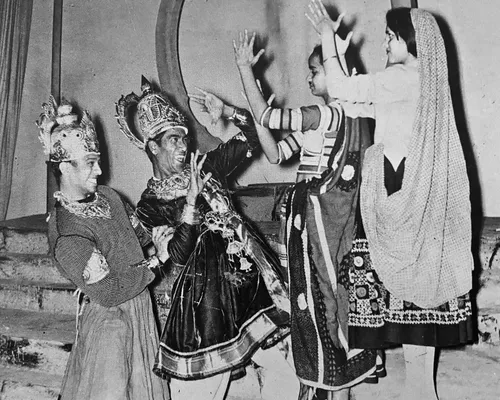
The social and religious landscape of Hindus in Natal in 1909 was marked by a delicate balance between the dismantling of traditional caste systems and the strengthening of their spiritual identity. Upon arrival in South Africa, indentured workers secured their communal bonds through religious practices, temple building, and the preservation of cultural traditions.
As the indenture system dismantled caste distinctions, regional identities emerged, largely separating those from South India and North India on the sugar plantations.
Hindu temples became central to the community, hosting life cycle ceremonies and cultural festivals. By 1909, the spiritual revival of Hindus in Natal had attracted the attention of Indian missionaries, who aimed to formalize and unite the diaspora. Prominent figures like Professor Parmanand and Swami Shankeranand established educational institutions and Hindu societies across the colony to promote language, religious training, and unity among the community.
In 1909, Swami Shankeranand wrote to the Protector of Indian Immigrants, requesting Diwali, a key Hindu festival, be recognized as a public holiday for indentured Hindus in Natal. The correspondence reveals the complex nature of religious observances and the need for careful consideration regarding the implications of granting such holidays, reflecting the deep spiritual significance of these events in the lives of Hindus in Natal.
Written by urgent.news from IOL's reporting — not their text. Machine-written — may contain errors; check the original before relying on it.