The biggest disadvantages of using AI glasses
AI glasses can do a lot of cool things, there's no debate about that. But there are also serious downsides to the tech.
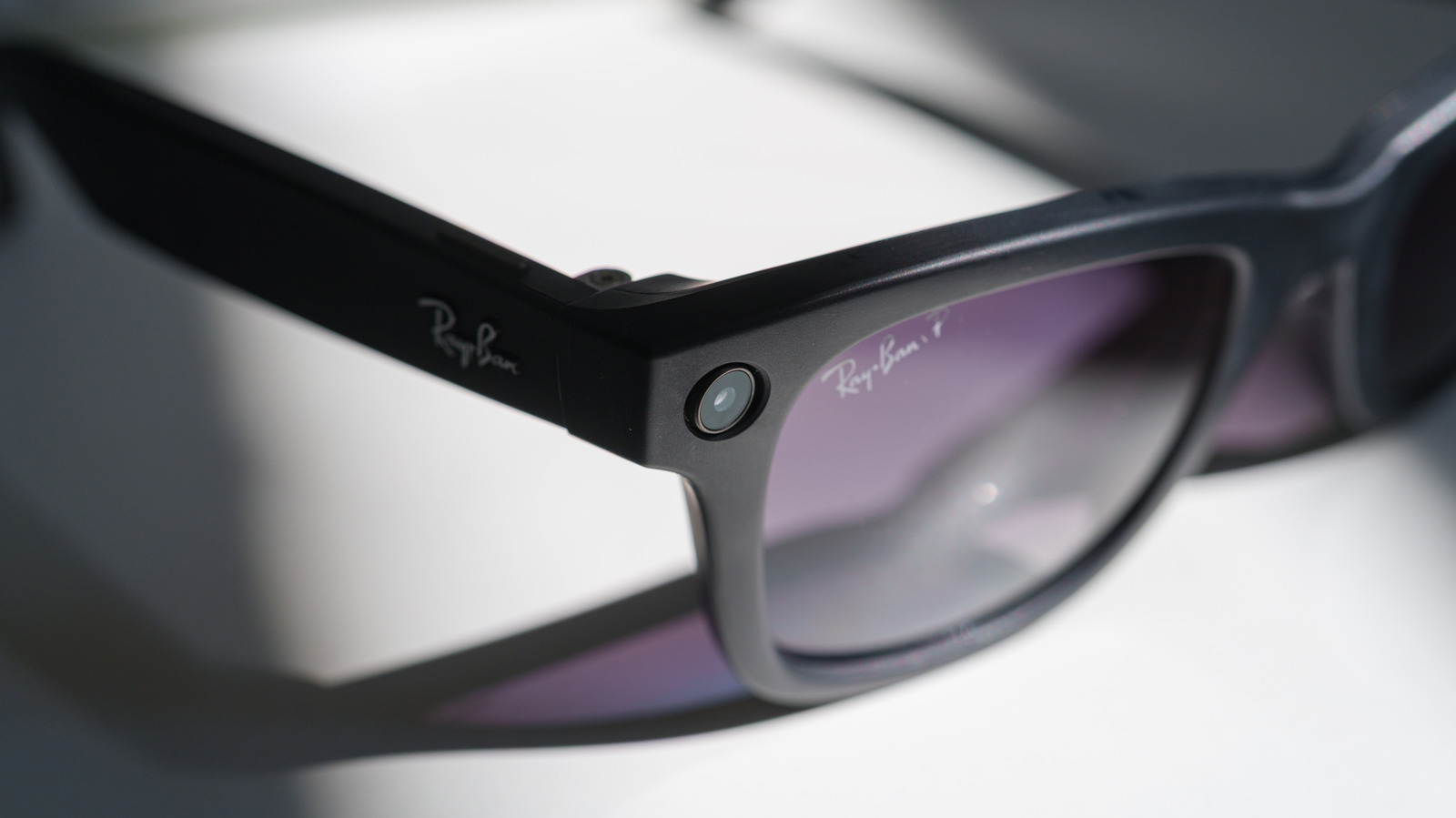
When considering the purchase of AI glasses, or smart glasses as they may be more commonly referred to, several drawbacks come to light. The rapid evolution of this technology has led to a proliferation of smart glasses, with a 2026 survey revealing that 25 percent of respondents planned to buy a pair in the near future. While these glasses have become a staple among tech content creators and repair shops, serving as a tool to showcase daily operations, their utility and acceptance among the general population remains a topic of debate.
One of the primary concerns surrounding AI glasses is their potential impact on eye health. The technology, reminiscent of virtual reality glasses, has been known to cause eye strain and irritation, a similarity echoed in the experiences of VR users. This recurring issue may discourage some potential buyers, especially those who are already susceptible to visual discomfort.
Another significant concern is the technology's reliance on cameras capable of recording video. The presence of such features raises legitimate privacy concerns. The ability to capture video without explicit consent has sparked discussions about the ethics of smart glasses, particularly in terms of consent and privacy laws. The mere possibility of being recorded without knowledge or approval is unsettling, and it is a factor that potential buyers must weigh carefully.
Despite these drawbacks, there are certain scenarios where smart glasses prove to be beneficial. They have found a niche among tech enthusiasts, who use them to showcase their work and engage with audiences. Additionally, seniors and individuals with disabilities have shown an interest in the accessibility features of smart glasses, which can assist with tracking doctor visits and medication reminders. In these contexts, the advantages of smart glasses may outweigh the drawbacks.
Ultimately, the decision to invest in AI glasses in 2026 depends on an individual's specific needs and daily usage patterns. While the technology holds promise in certain areas, such as enhancing efficiency in the workplace, the physical discomfort caused by wearing the glasses and the associated privacy concerns cannot be ignored. As with any emerging technology, it is essential to approach smart glasses with a critical eye, considering both the potential benefits and the inherent risks.
Written by urgent.news from Engadget's reporting — not their text. Machine-written — may contain errors; check the original before relying on it.