The art of giving constructive feedback to children
The way we correct children today can shape how they see themselves tomorrow. Feedback should not diminish their confidence but empower them to recognise their potential and grow. Growing up is a continuous process of learning, making mistakes, discovering strengths and working on shortcomings. Feedback plays an important role in this journey, helping children recognise what they do well and…
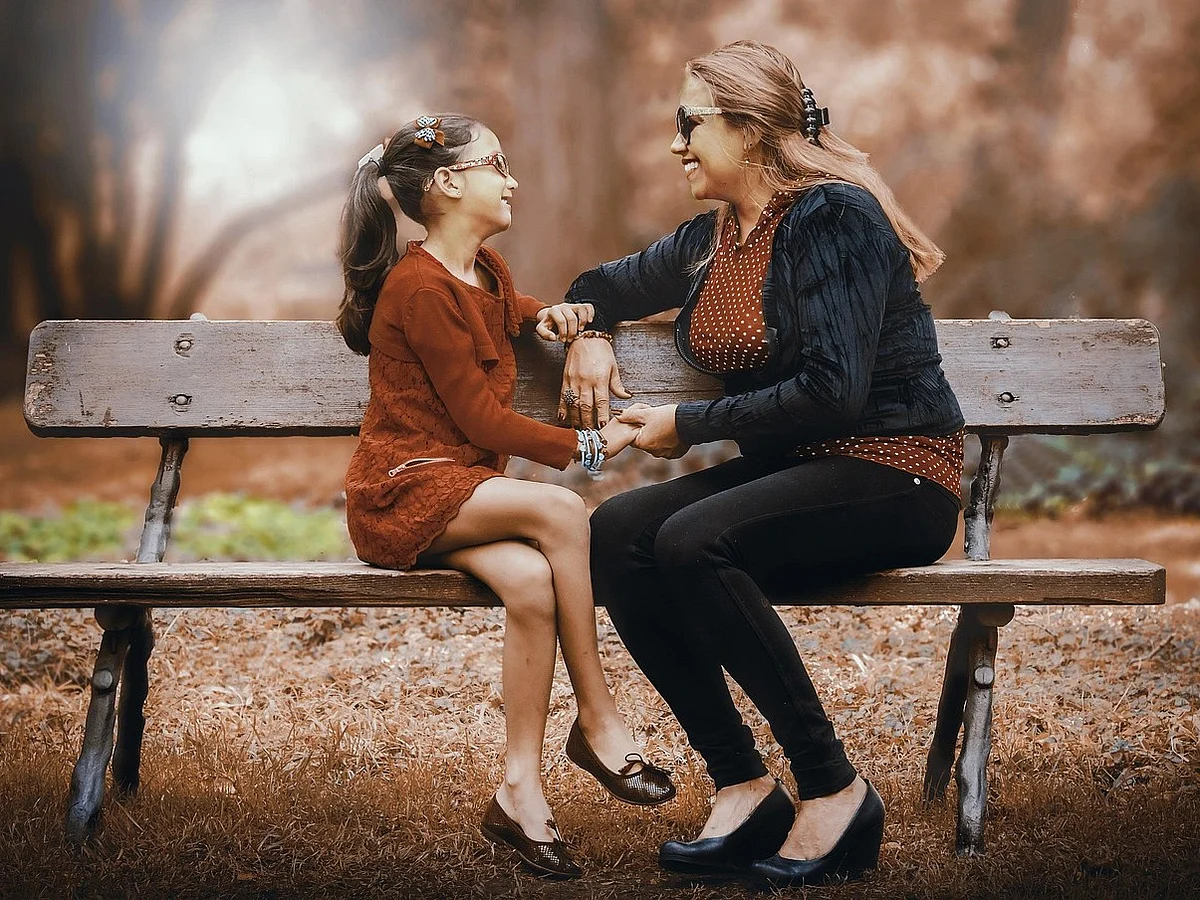
Feedback is a crucial part of a child's growth, shaping their self-perception moving forward. It should inspire them to recognize their potential and improve, rather than diminish their confidence. Learning involves making mistakes, discovering strengths, and addressing shortcomings. Constructive feedback plays a key role in this journey, helping children acknowledge successes and identify areas for improvement.
However, the way we communicate this feedback is just as important as the feedback itself. Parents often want their children to succeed, leading them to correct mistakes immediately. But constant criticism can transform advice into disappointment and every error into a lecture, undermining the positive intent. It's essential to understand that the art of constructive feedback lies in knowing when, where, and how to deliver it.
The key is to correct behavior, not the child. For instance, saying "You did not prepare adequately for this examination" is different from "You are careless and will never do well." The first focuses on a specific action that can be improved, while the second attaches a negative label to the child. Children are still developing their sense of identity. Repeatedly hearing negative labels can affect how they perceive themselves.
Positive reinforcement plays a vital role in parenting. Praising children in public boosts their self-esteem, while public criticism can cause embarrassment, resentment, and loss of trust. For example, a public reprimand for a mistake made in front of others might leave the child more concerned about humiliation than learning the lesson. Correcting privately preserves dignity and communicates that mistakes do not diminish one's worth.
Starting feedback with positive aspects can make conversations more constructive. For example, if a child performs poorly in an examination, acknowledging their effort before discussing areas for improvement can make the conversation more effective. A comment like "I noticed that you spent more time practising this week. That is a good step. Let us look at the questions you found difficult and explore how you can approach them differently next time" can be more beneficial than a critique of their performance.
Instead of immediately labeling actions or decisions as "wrong" or "inappropriate," parents should engage children in reflective conversations. Asking "What do you think went well?","What would you do differently next time?" and "What could help you improve?" can turn criticism into a conversation. This approach helps children understand what went wrong, why it happened, and what steps they can take to improve.
Maintaining trust is crucial when giving feedback. Children are more likely to listen to adults they believe genuinely want to help. A child who feels safe admitting a mistake is more likely to accept responsibility, seek guidance, and learn from experiences. Modeling humility and accountability by acknowledging our own mistakes and apologizing when necessary also demonstrates to children that learning is a lifelong process.
Written by urgent.news from Gulf News's reporting — not their text. Machine-written — may contain errors; check the original before relying on it.