The ANC is paying for its contempt
The ANC's declining support in the 2026 local government elections reflects years of poor municipal governance, political arrogance and failed renewal. As the DA, MK Party and other opposition parties make gains, voter apathy and dissatisfaction expose a governing party increasingly disconnected from the communities it once commanded.
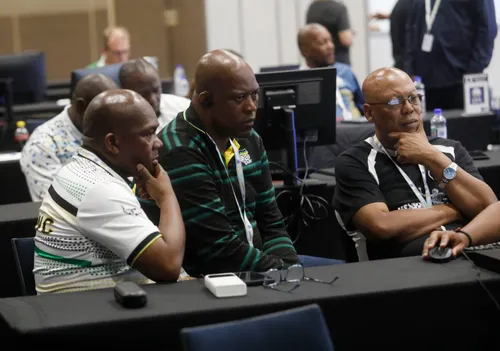
The African National Congress (ANC) is facing increasing criticism as local election results reveal a decline in its support. Residents have been enduring municipal failures for years while ANC leaders have focused on internal discussions and renewal, rather than addressing the issues affecting their communities. The national proportional representation tally shows the ANC at 32%, the Democratic Alliance (DA) at 24.6%, the MK Party at 9.1%, and the Economic Freedom Fighters (EFF) at 6.2%.
The ActionSA party, which placed 5.1%, edged ahead of the IFP’s 4.6%. The ANC's 2021 PR share was 46.1%, a significant rebuke that the party has failed to improve upon. Voters are being asked to continue supporting a party that has not adequately addressed their needs. The DA deserves credit for a campaign that effectively communicated the public's frustrations with municipal failures.
Helen Zille's Johannesburg candidacy provided the party with a recognizable face and creative energy, turning municipal failures into memorable political images. The ANC's arrogance is demonstrated by its assumption that voters have no other options and by treating every setback as a communication problem. While the party's liberation credentials cannot resolve municipal issues indefinitely, the DA's campaign resonated with voters who had previously been loyal to the ANC.
The DA's success in Johannesburg, Tshwane, Ekurhuleni, Cape Town, Nelson Mandela Bay, and Mangaung demonstrates that the ANC's claim to be the natural party of government is being rejected. ActionSA's performance in Gauteng shows that there is demand for change beyond the DA. The EFF's national support has dropped from 10.5% in 2021 to 6%, indicating that anger at the ANC is not solely directed towards Julius Malema.
MKP has made significant gains at the expense of the ANC, particularly in KwaZulu-Natal, where it now leads with 35% of the vote. The IFP remains a substantial force in KZN, with a 22% provincial share. The ANC's loss of support in Gauteng and KZN highlights the party's inability to harness its historical base and adapt to the changing political landscape.
Written by urgent.news from IOL's reporting — not their text. Machine-written — may contain errors; check the original before relying on it.