Southeast Asia’s green push brings solar power, but who pays to keep it on?
For most of his life, Osman Uki lived in a world dictated by the sun, relying on kerosene and leftover cooking oil to light his home in a remote indigenous village in Malaysia. That changed in April when solar power finally reached Kampung Bertang in the state of Pahang, allowing families to power electric lights, refrigerators and rice cookers. For Osman, one of the biggest changes is what…
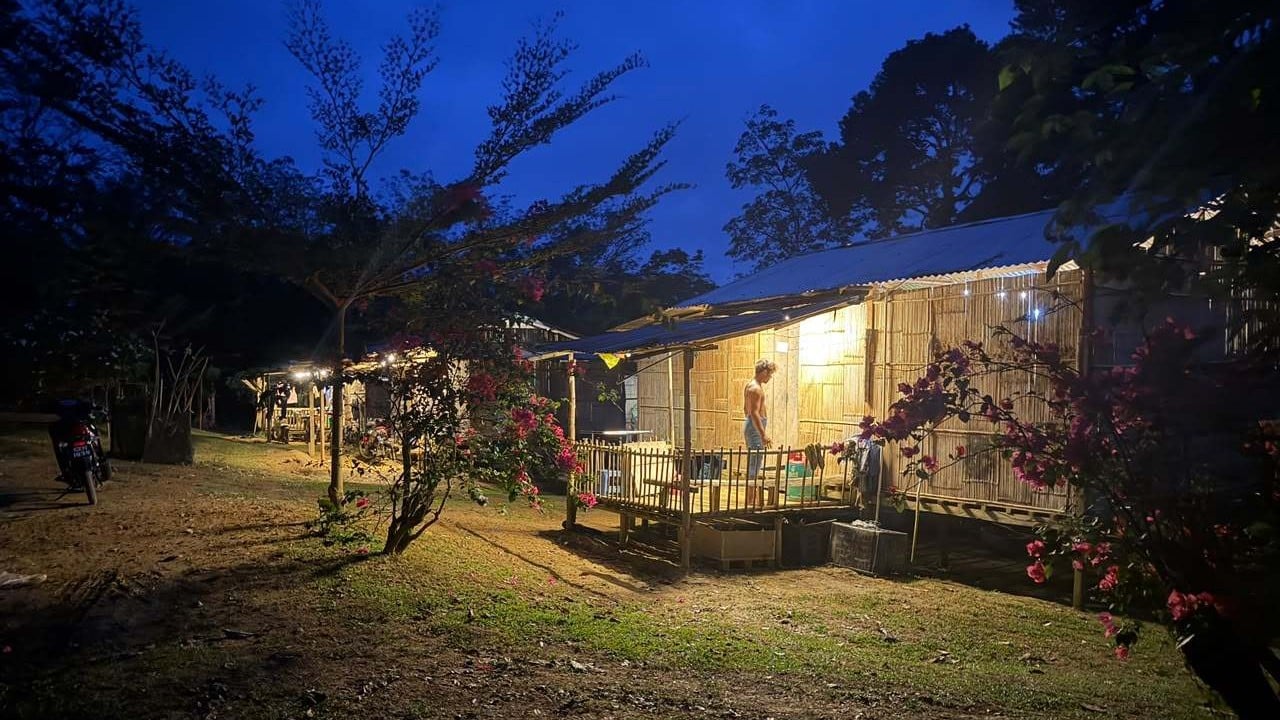
Osman Uki's life in a remote Malaysian village changed in April when solar power arrived, bringing electric lights, refrigerators and rice cookers. The biggest change for Osman was now being able to use light after sunset, as he said he only uses one light now. However, bringing electricity to the village was only half the challenge.
Residents must now bear the recurring costs, even though outside donors funded the installation. Kampung Bertang, located roughly 170km from Kuala Lumpur, highlights the dilemma confronting Southeast Asia as governments seek billions for clean power. The question is how to ensure impoverished communities benefit without shouldering an unfair share of the bill.
With Cop31 UN climate summit opening in Antalya, Turkey, the urgency of who pays and who benefits has increased. For the Orang Asli population, whose communities such as Kampung Bertang have yet to secure reliable electricity, the stakes are high. Clean-energy investments in the region reached just $47 billion in 2025, far short of the $100 billion needed annually between 2026 and 2030.
Deploying off-grid solar power cost about $4,930 per household in Kampung Bertang, with households contributing $7 a month to a community fund to cover repairs, maintenance and payments to the village energy committee. Without adequate financial support, the clean energy transition could widen domestic inequality, leaving poorer households vulnerable to energy cost increases.
Written by urgent.news from South China Morning Post's reporting — not their text. Machine-written — may contain errors; check the original before relying on it.
This story
This is one outlet's version. Read the fullest account.